
NYU Film & Television offers a flexible, hands-on curriculum where students can explore all diverse aspects of filmmaking. From animation to television, screenwriting to editing, or directing to producing, we have it all! As students explore creative paths, they develop their unique storytelling voices through multiple mediums.
Published November 10, 2025
Concentrations and Pathways within NYU’s Film & Television Major
The TL;DR
When I was applying to college, I struggled to decide which pathway of performing and visual arts I wanted to pursue. All I knew was that I wanted to create. As a high school student who loved her musical extracurriculars and multi-disciplinary arts involvement, I recognized that I wanted flexibility in my craft and opportunity to explore new avenues in my college experience. Discovering the Kanbar Institute of Film & Television @ NYU Tisch, I was thrilled by the incredible variety of pathways and concentrations students can pursue. On top of the diverse concentrations that students can explore, there is a lot of diversity within the genres students chose to explore. The Film & Television major gives students opportunities to tell their stories through various forms of creative expression. Let’s take a look!
Creating from Day One
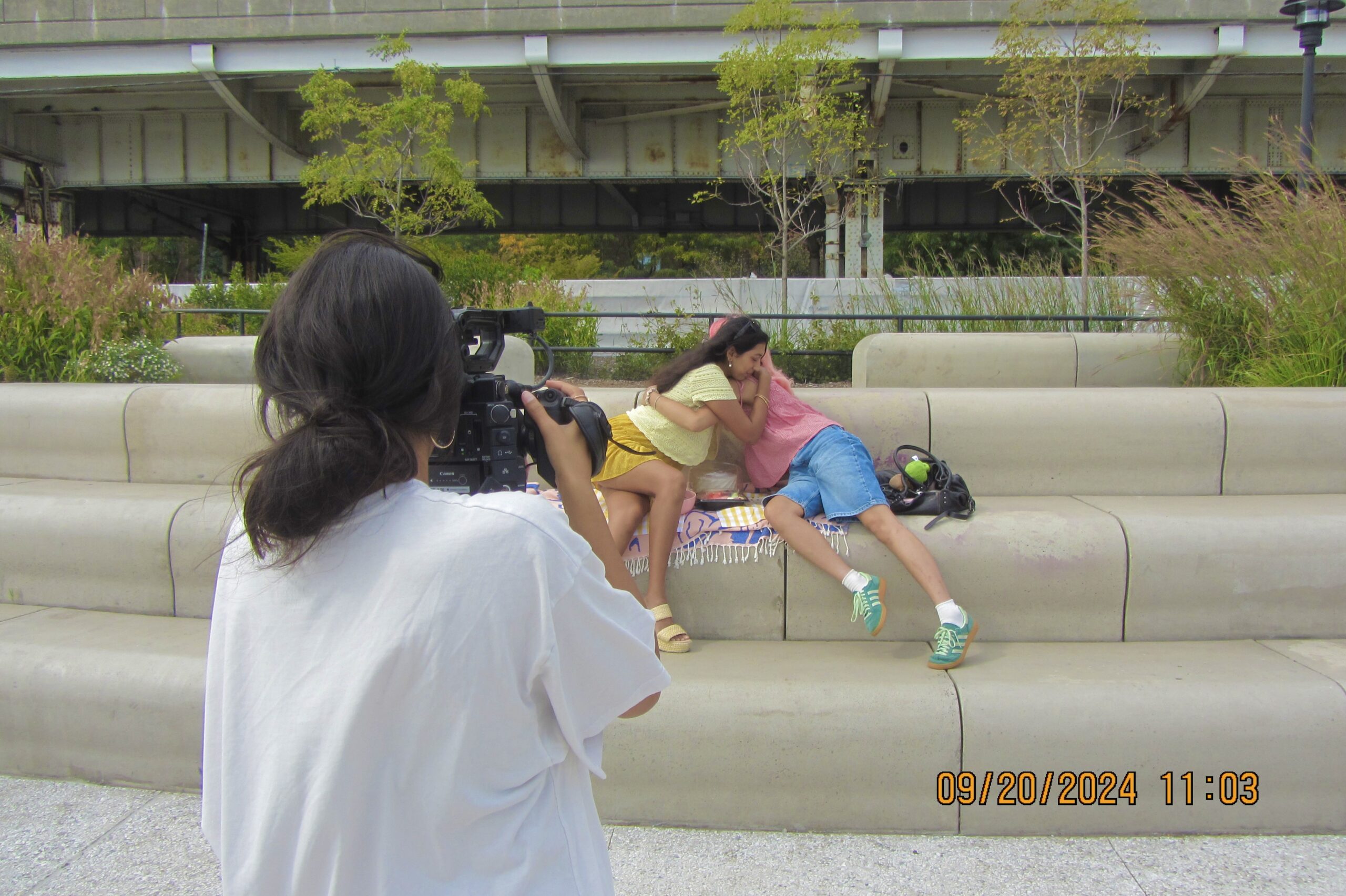
The NYU Film & TV curriculum is designed to make sure students have access to learning all the creative fundamentals. This ranges from pre-production, to working on set, to editing on industry standard platforms! In order to achieve this, an incoming student’s coursework will be broken up into 2 semesters.
- Visual Semester: highlights filmmaking and storytelling fundamentals, using camera, lighting, and video equipment for self-directed projects for students enrolled in Frame & Sequence or First Person Narrative. This is also when animation interested students can kick-start their animation track in Intro to Animation Techniques. Additionally, these students have a unique assignment that requires you to work on an upper-year film set as a Production Assistant for 12-hours total in a semester. This experience was the first time I was on set and a pivoting moment where I discovered a passion of mine. This semester also immerses you in History & Criticism & Colloquium classes.
- Audio Semester: emphasizes how storytelling isn’t solely a visual medium through the production class: Sound Image. While learning sound fundamentals, students are also involved in performance, directing, and screenwriting classes.
Core Production Classes
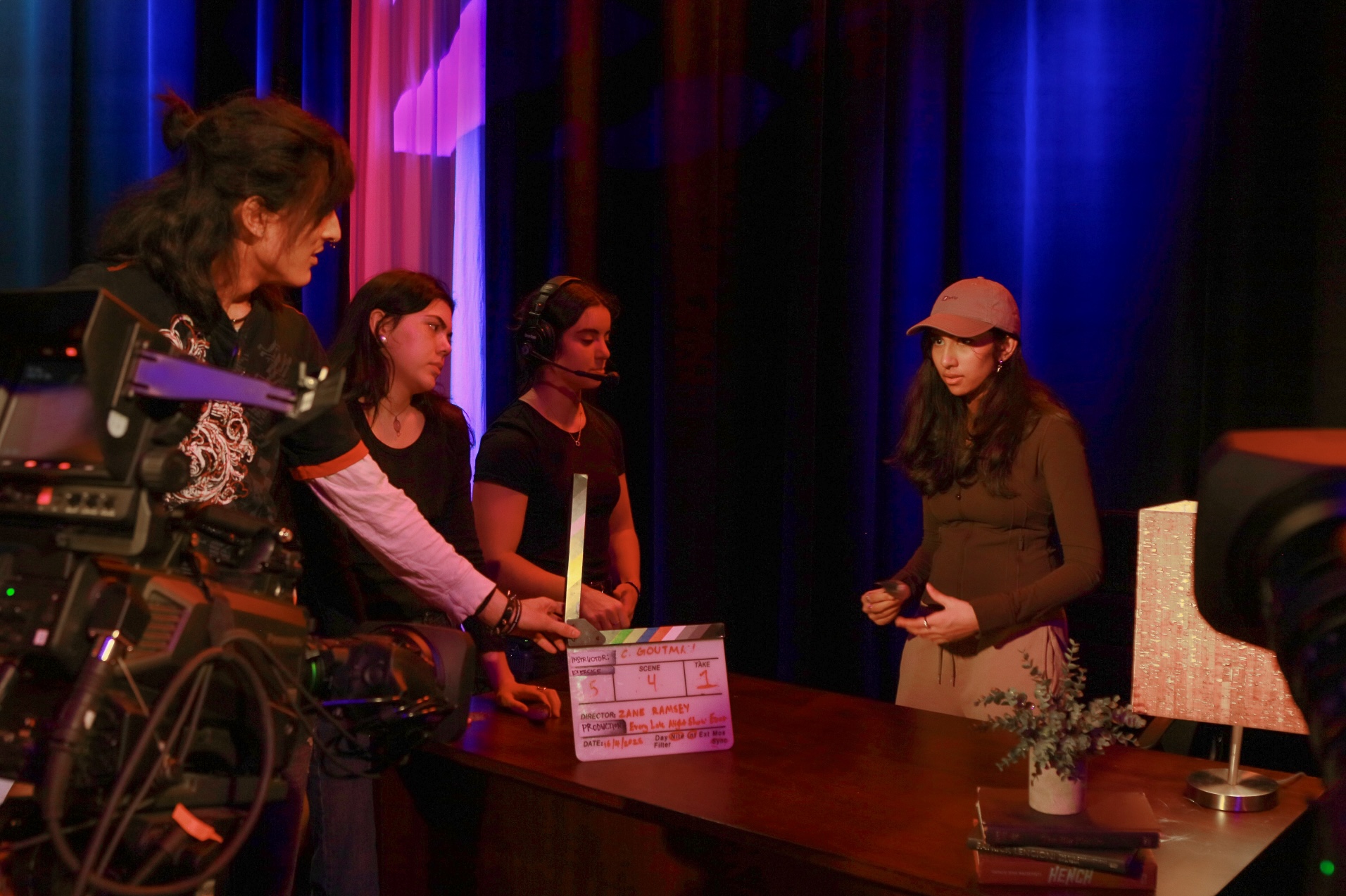
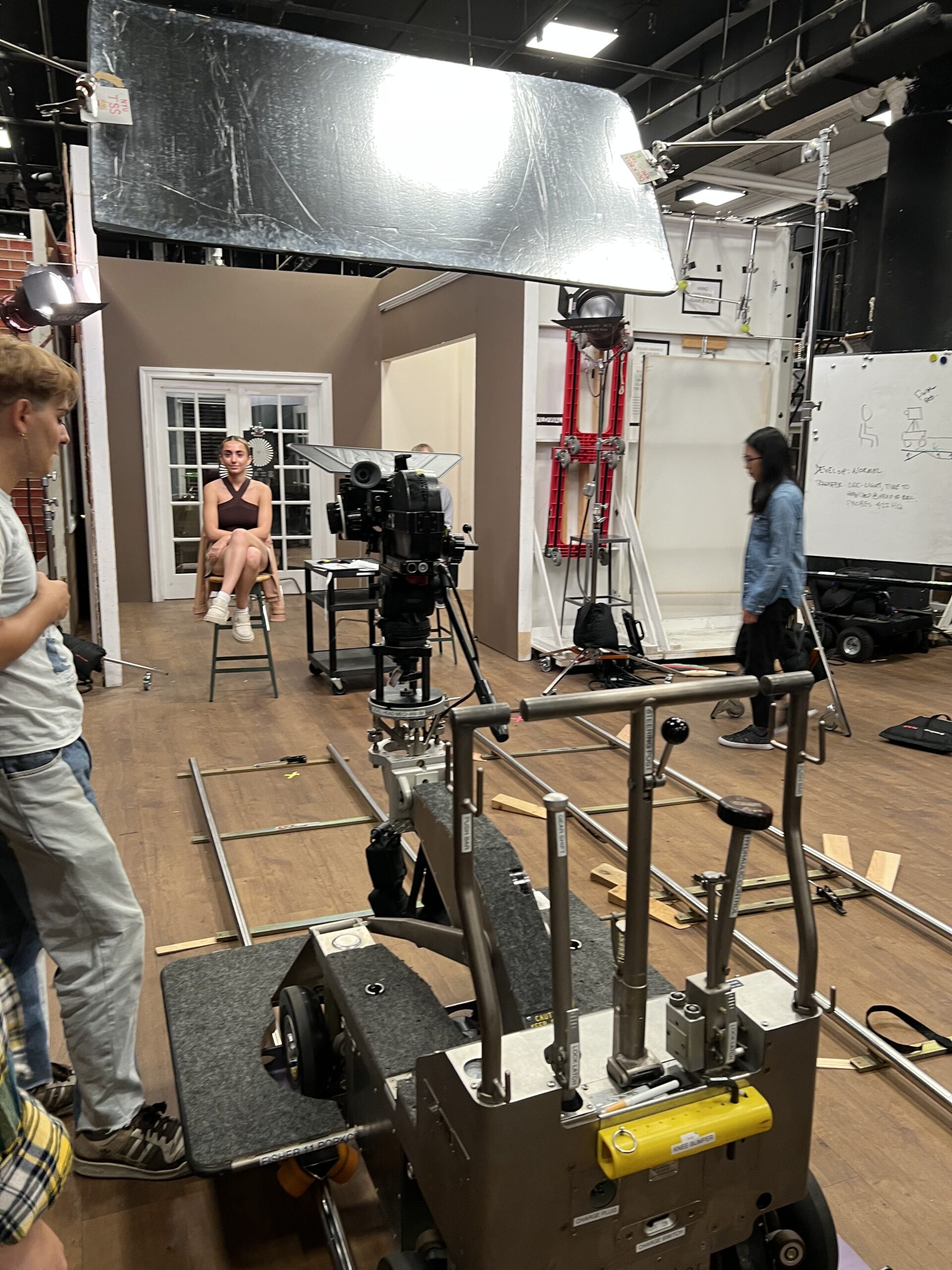
What is a film production class? It’s more than just a course—it’s a gateway to hands-on filmmaking and the foundation for discovering the kind of stories you’re passionate about telling. From day one, students are immersed in the creative process, gaining practical experience with industry-standard equipment, finding community with your classmates in an intimate setting, and learning to bring your artistic vision to life.
As soon as my first semester at NYU, I explored all departments of film production. I was 2D Animating for the first time in my First Person Narrative Core Production class. I was gaffing (head lighting technician on set) for student projects. Yet most importantly, I had my first spark of interest for Producing, Directing, and Assistant Directing.
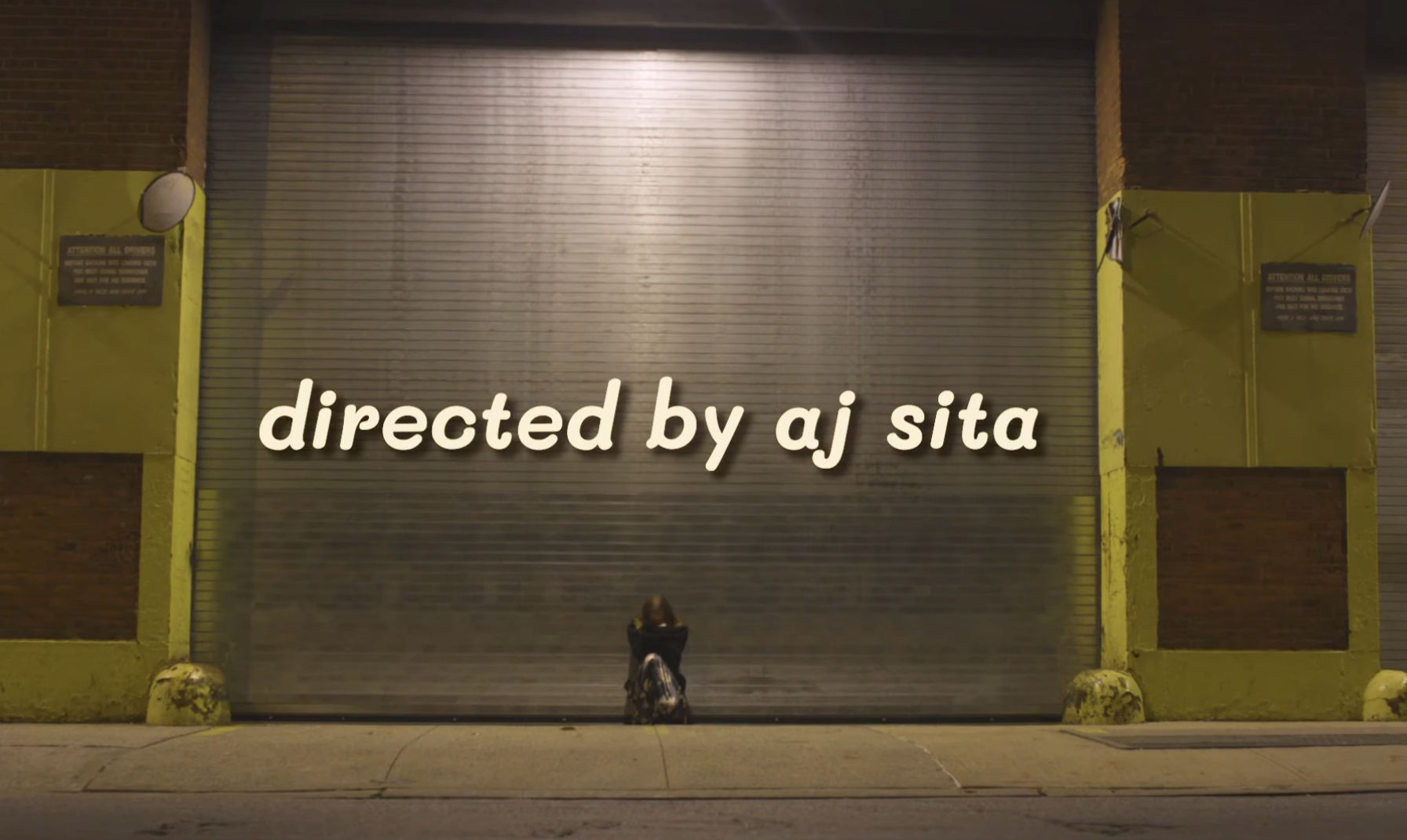
AJ Sita, First Person Narrative Self Portrait (2023)
After completing first-year production classes (Sound Image, Frame & Sequence, Intro to Animation Techniques), students transition into Fundamental, Intermediate, & Advanced production courses! These hands-on courses compliment your other major requirements at NYU (general education, elective classes, and craft classes).
The fundamental Sight & Sound Classes introduce students to 3 core production areas: narrative film, television, and documentary. The intermediate and advanced levels unlock other mediums such as commercial, experimental, and animation. As we progress through the levels of production courses, they will get more rigorous and hands-on. Students slowly are introduced to real-world production factors such as budgeting, fundraising, compensation, and insurance. These are the areas for core production courses:
- Television
- Narrative/Feature
- Short Commercial/Music Video
- Experimental
- Animation
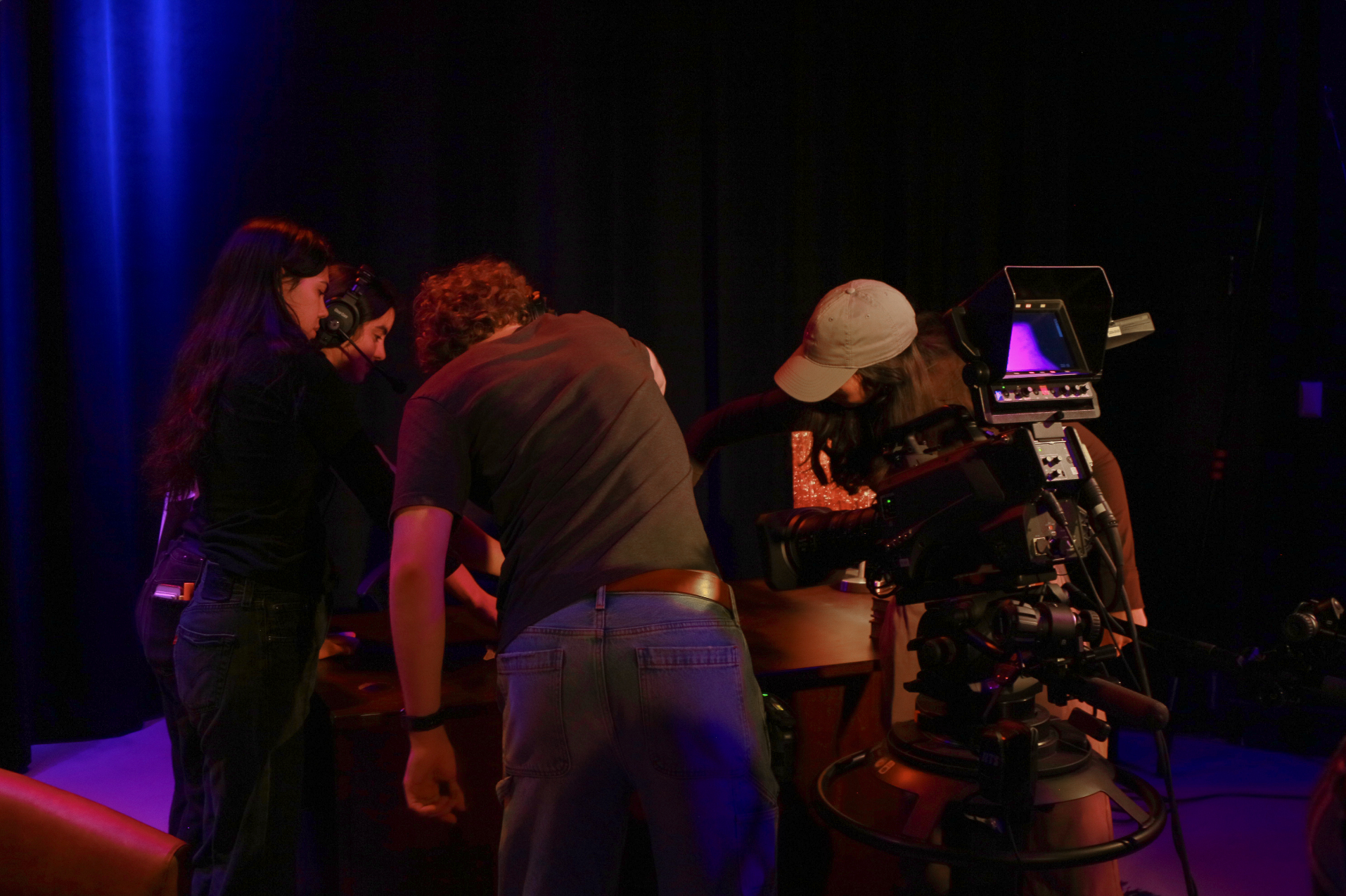
My production classes have been the most fulfilling part of the program for me. In the intimate class setting of 15-25 students, I’ve made many of my closest friends in these courses. I feel like every level introduces something (or someone) that I can bring into future creative projects. I began my journey in Fall 2023 as a Production Assistant on short films, and by Fall 2025, I’ve grown into the role of Executive Producer for an Intermediate Comedic Mini Series.
Concentrations & Craft Classes
Your first-year courses provide a foundation in all areas of study. After that, you can take specialized Film & Television classes that align with your interests. This can be in the following areas:
- Directing: How to direct Camera and Actors
- Screenwriting: Storytelling Strategies, Writing for TV, Research & Writing the Documentary
- Producing: Marketing & Distribution, Budgeting, and Film Financing
- Cinematography/Camera: Camera Science & Camera Techniques
- Editing: AVID Certification Course Progression
- Sound: Studio Recording & Sound Mixing
- Design: Art & Producing Design & Makeup for Film
- Animation: Stop Motion, Illustration, Storyboarding
After I took my intro-level courses in my first-year for many of the departments listed above, I chose to explore the realms of television, comedy, directing, and producing. I discovered that I was passionate about late night television and love the organizational efforts to bring a story to life through scheduling and collaboration.
Comparatively, many of my friends who share the same major are exploring different pathways. My friend Erin is passionate about stop-motion, music and sound design. My suitemate Sarva has explored screenwriting, cinematography, and directing. There is no right or wrong path to take.
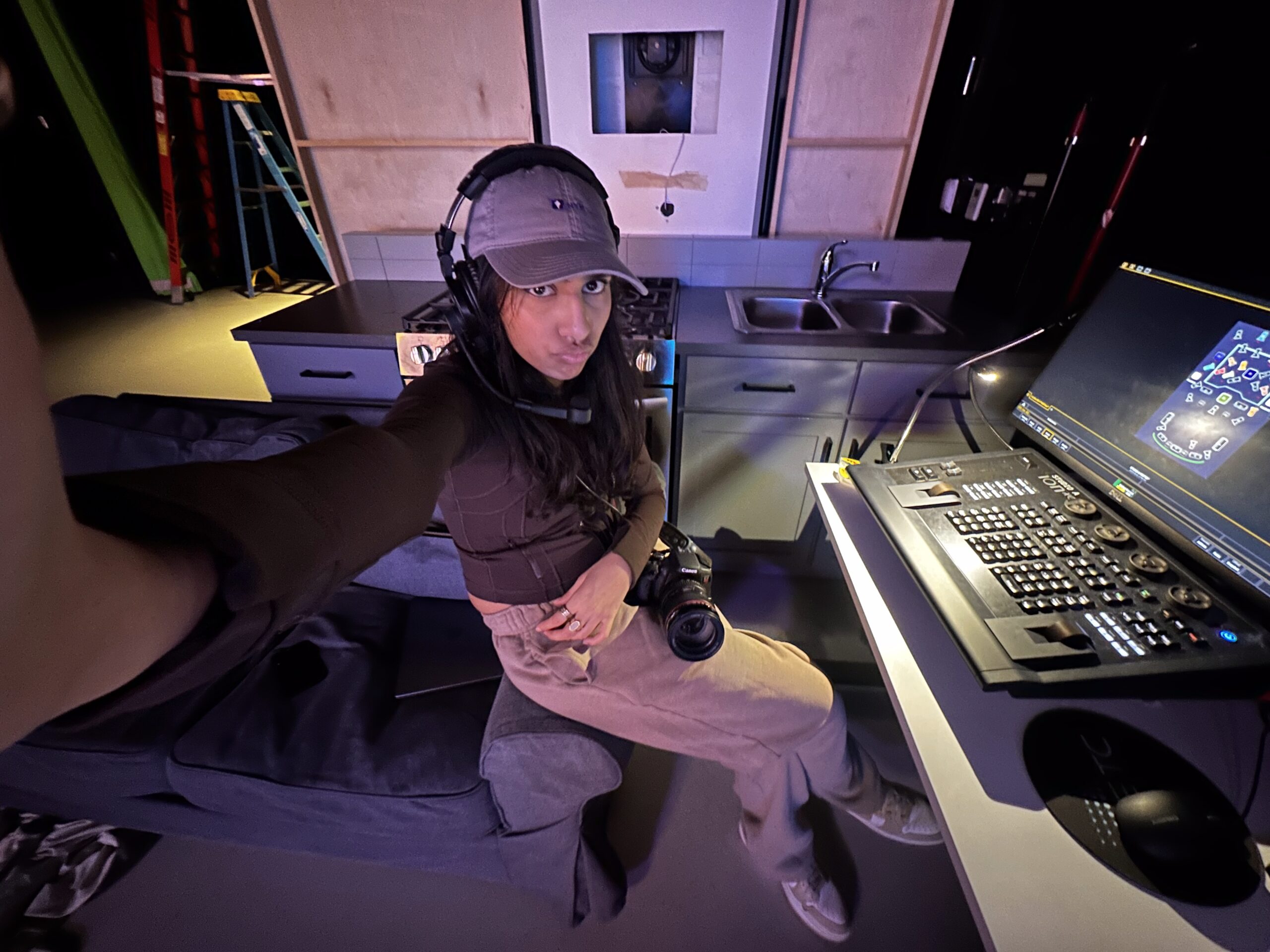
Closing Remarks
In my three years as a Film & Television student at NYU Tisch, I’ve loved seeing how diverse the community is—each student pursuing their own concentration with such distinctive passion and creativity. I wish someone told me when I was in high school that the possibilities are endless. I’ve come to understand Film & Television at NYU as a buffet style creative major. Whichever artistic area peaks your interest most, you can add to your plate. At the end of the day, you get to decide how you want your story to be told.
Related
Film Classes at NYU for Film and Non-Film Majors
Explore NYU's dynamic film classes for both majors and non-majors. Discover practical knowledge, diverse courses, and career prospects in an exciting cinematic journey at NYU's Film and Open Arts Department.

Major in Data Science—at NYU
In collaboration with the NYU College of Arts and Science, the Center for Data Science now offers a unique interdisciplinary Bachelor of Arts in Data Science.
The Humanities Major at NYU Shanghai
With an interdisciplinary approach and an emphasis on specialization, NYU Shanghai’s Humanities major gives students the freedom to chart their own course