
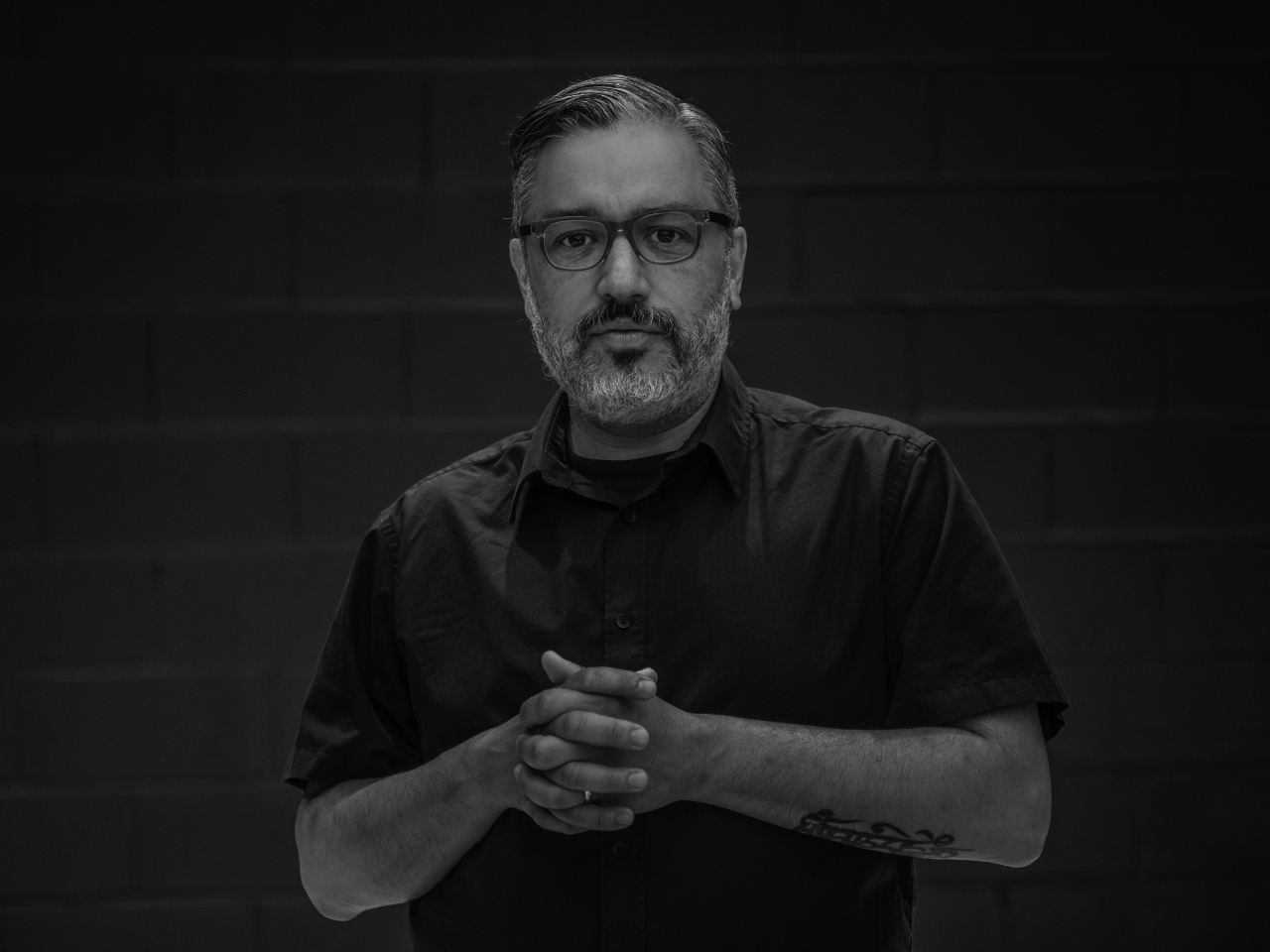
There are three things Rubén Polendo, dean of NYU Tisch School of the Arts, asks students who are considering whether Tisch is the right place for them. First, do they dream of the future? Next, do they wonder what art will be in the future? And finally, do they imagine their role in that future?
When it comes to envisioning the future of art and embracing its unknowns, Polendo is ahead of the game. A renowned theatre artist, he was named a 2025 Guggenheim Fellow for his work on AI and performance. He is also the founding artistic director of Theater Mitu, which received the 2025 Ross Wetzsteon Award, a special Obie Award for theatres that advance innovation in the field.
Additionally, Polendo has nearly three decades of experience teaching at NYU, where he served as both founding director of NYU Abu Dhabi’s theatre program and chair of Tisch’s Department of Drama. Now in his first year as NYU Tisch’s dean, he’s bringing an interdisciplinary, forward-thinking lens to the role.
In celebration of NYU Tisch’s 60th anniversary this year, we sat down with Dean Polendo. Here’s what he had to say.
Can you share a little bit about your background as an artist?
My core research and arts practice is as a theatre director. I work at the intersection of performance and technology, so I work with artificial intelligence, robotics, and interactive technology. But when I was an undergraduate student, I was not in the arts. My undergraduate degree is in biochemistry, my first graduate degree is in biochemistry, and then I made a turn into the arts.
The reason I bring this up to students is because it’s the journey of your training that gives shape to your unique voice as an artist. When I was in college, I was curious about so many things and had so many questions. The arts became a place to engage in those big questions. That’s really something we excel at here at Tisch. We want to continue to not only inspire that curiosity but also explore it with tools and rigor.
What drew you to the role of dean at NYU Tisch?
We are in such an important moment when it comes to the relationship between the arts and our society. When I think of our students and alumni, I think of leadership. At Tisch, we’re developing the leaders of the future. We are developing the artists and the scholars who will shape and make our culture. To me, that is remarkable.
I’ve always been interested in innovation, in change in the future, and there is no better engagement with those questions than in this role. What is inspiring about our students is that they will become our future colleagues. Here at Tisch, we have the great privilege of being in conversation with our future colleagues early in their careers. And I want remarkable colleagues in this field. So, to be able to celebrate, advocate, build, work with, and engage these future colleagues is really an incredible, incredible gift.
What encourages you about this current generation of NYU Tisch students?
Our students have an unmatched level of awareness, intent, and discourse on the future. There is a kind of hyperawareness there, and that’s inspiring in the hands of young artists. They are so aware of future-building and future-making. That’s always been the call of the arts, right? How we are generating and synthesizing the questions that shape our future.
I get really, really excited when I’m in conversation with students and they are looking at their own careers beyond NYU. They’re not just talking about what they’re going to do; they’re talking about what they’re going to build. Tisch students and Tisch alumni are not only doers—they’re builders. They are thinking of entrepreneurship and companies and studios that are going to support and fuel their work and their voices. That kind of agency and drive continues to inspire me.
Since you started as dean last fall, has there been anything that has surprised you about the role?
I don’t know if surprised is the right word, but I was thrilled to have some things reaffirmed. One is how important community is to the Tisch School of the Arts. Our community is really, really strong. Whether it’s students, alumni, parents, faculty, folks who have done residencies or work here—all these people are so proud of being part of this community.
The other thing that has been really beautiful to feel from this perspective is how much our faculty and our staff care. How deeply engaged they are in supporting our students, bringing forth the best in them. Preparing them both for the known and the unknown future. We’re in an exciting moment where the field as a whole is riddled with possibilities. The commitment that my colleagues have, again, is really inspiring.
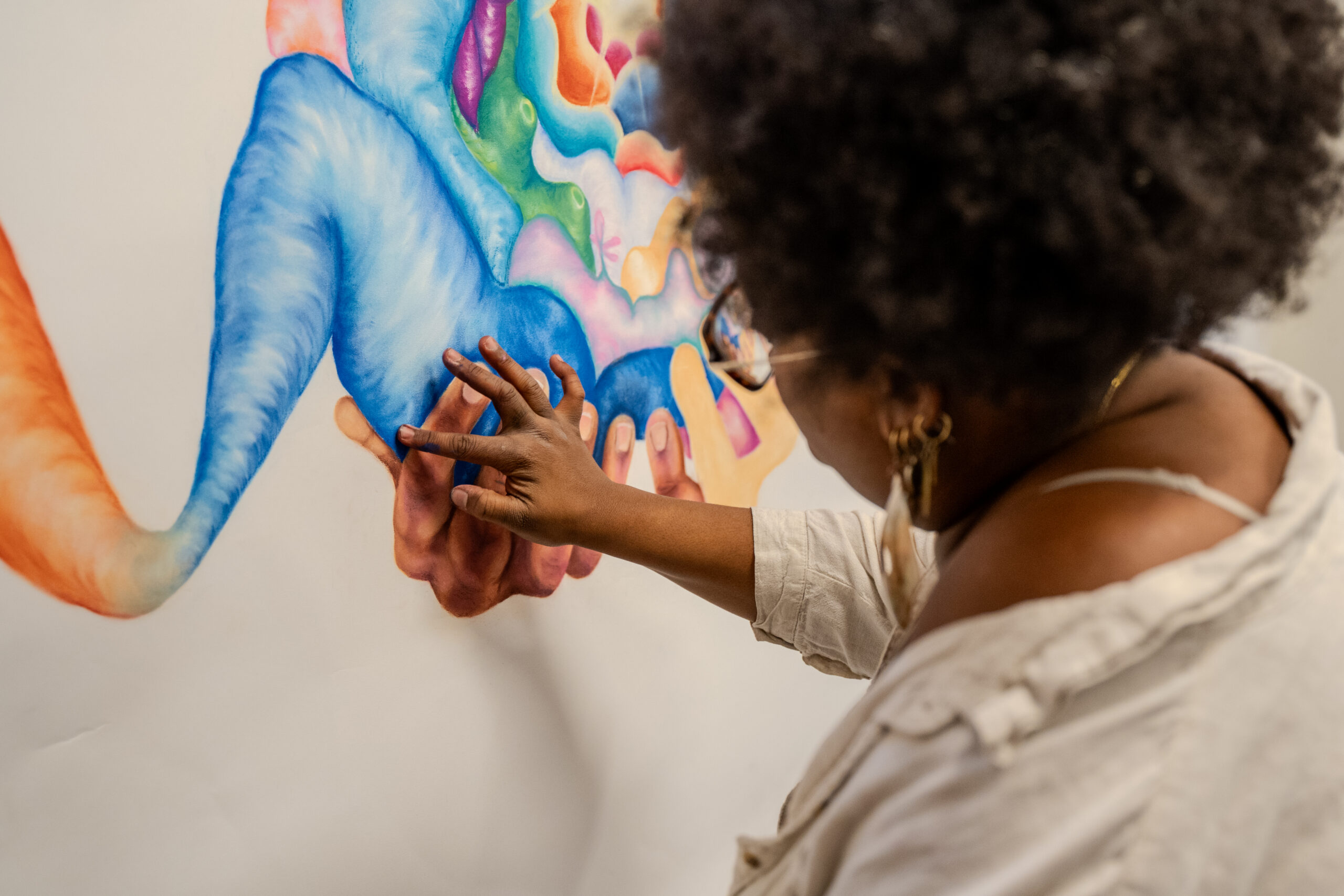
NYU Tisch celebrated its 60th anniversary this academic year. What does that mean to you?
First, it means that the Tisch School of the Arts has a meaningful legacy, a legacy that is rich in history, rich in incredible interjections with contemporary art and with the field at large. But it also means that Tisch must keep looking forward. Our foundation is a beautiful landscape for innovation, which is my priority. Tisch is a leader in innovation in the arts, and that’s something that I’m really committed to lifting up. You see it in our pedagogy, you see it in our teaching spaces, you see it in our production spaces, and you see it in our alumni who are asking the big questions about the impact of the arts.
It’s exciting to lean on this legacy while really forging a dynamic and innovative future. We’re preparing students for the professional field as it currently exists but also preparing them for the professional field we have yet to imagine. That’s a remarkable task, but it’s one we’ve done so well here at Tisch. Across the board there’s an awareness of the future of the field—of the fact that it is a living, breathing, developing thing. And I think the kind of student who gravitates toward Tisch is also interested in that puzzle and inspired by it.
Related
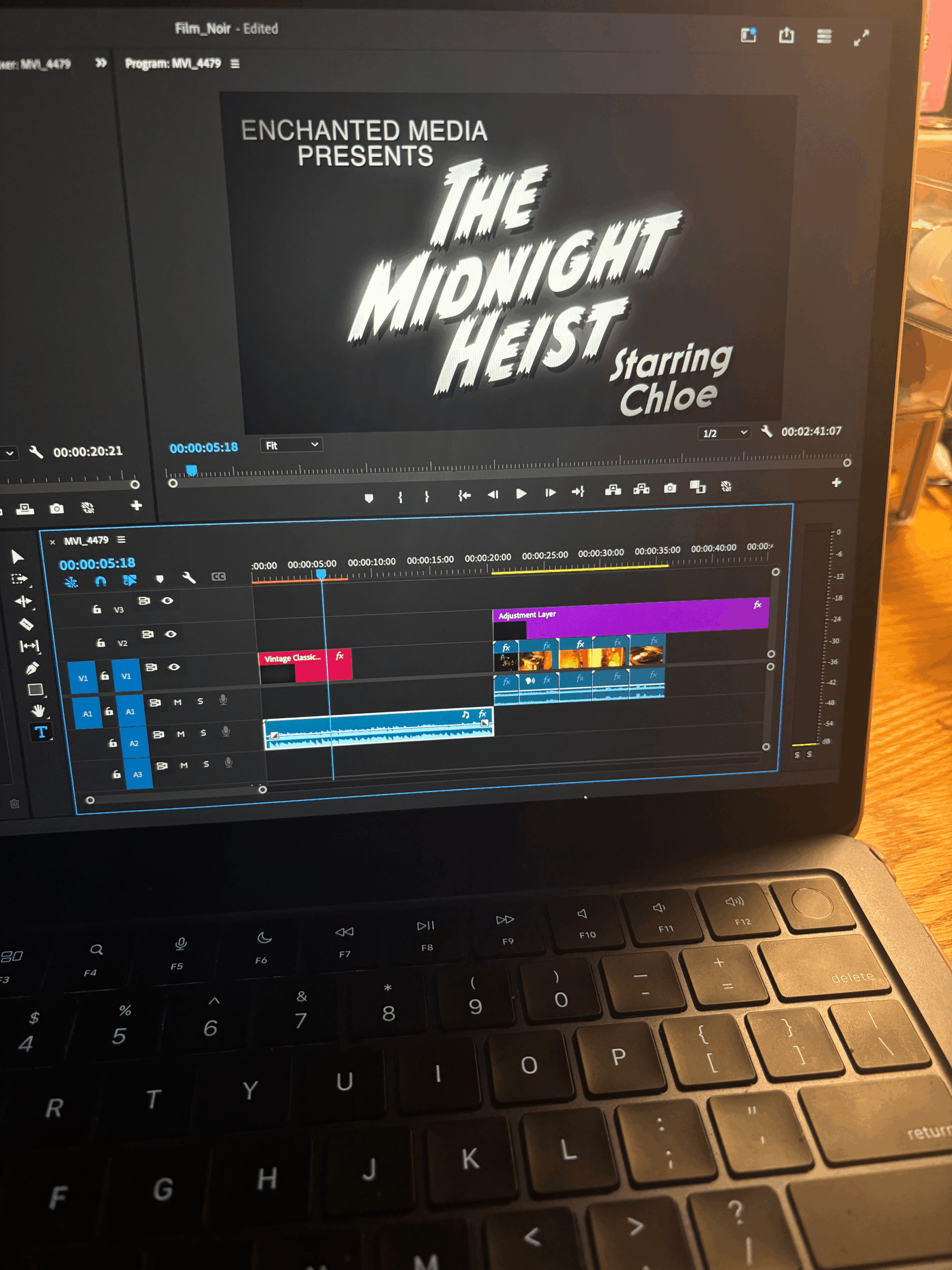
Interactive Media Arts at NYU Tisch: What I Expected to Make vs. What I Make
The best way to describe Interactive Media Arts (IMA) at NYU is the mixture of art and technology! But what does this really mean?

Take a Peek Into NYU Tisch’s Sight and Sound Studio
In NYU Tisch’s Sight and Sound Studio, students explore their craft in the new, state-of-the-art Martin Scorsese Virtual Production Center.
Walking Through the Tisch School of the Arts: A Picture Book
Are you a newly admitted student? Let current Tisch student AJ Sita take you on a floor-by-floor tour through the Tisch School of the Arts.