Published July 24, 2025
Your Guide into NYU’s Student Teaching Program


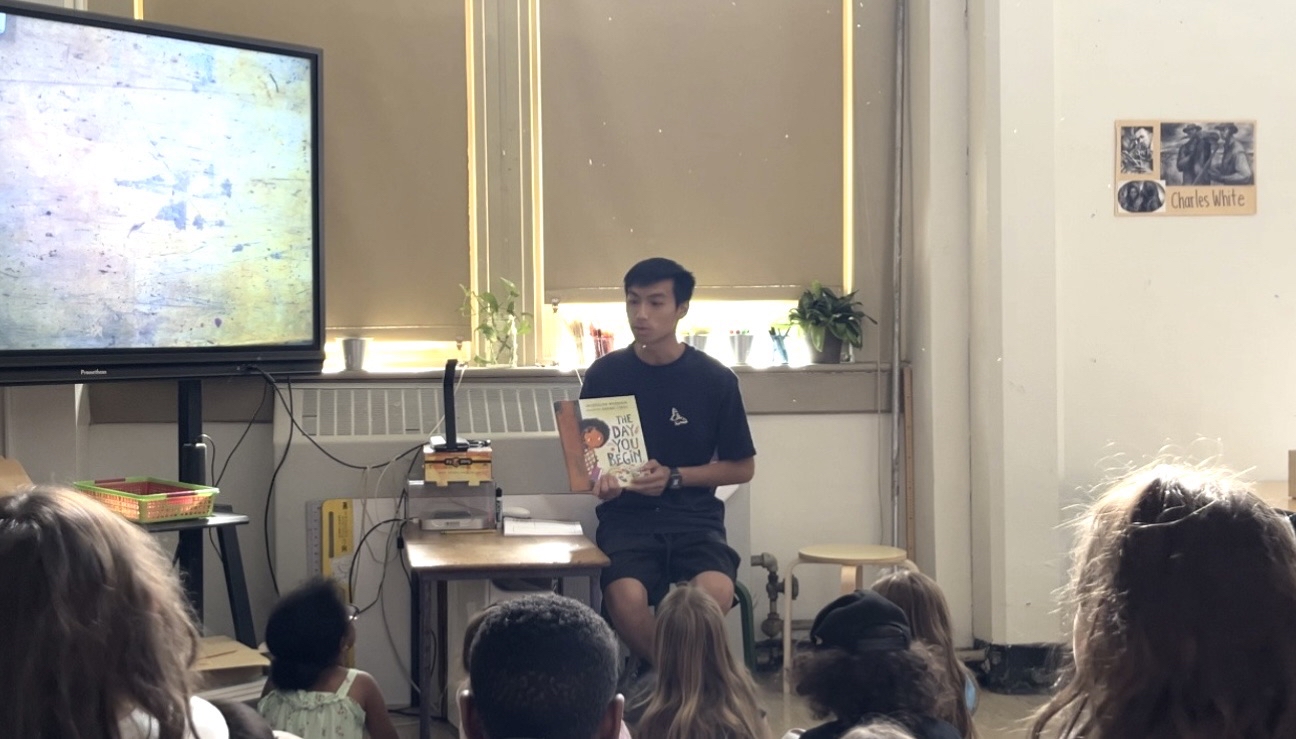
Teaching my students about the "magic e" pattern
If you are considering a career as a teacher, student teaching is one of the many requirements you will need to fulfill before leading your own classroom. Student Teaching combines all the theories you learn in the classes you take and implementing them in an actual classroom.
What Student Teaching Looks Like at NYU
Before stepping foot into the classroom, all student teachers attend an orientation hosted by the Office of School and Community Partnerships (OSCP). During this session, you will learn about the expectations and structure of student teaching.
Every semester, you’ll spend up to 20 hours per week in a New York City public school classroom. To support you throughout the experience, NYU also assigns us field mentors, who are experienced teachers who visit the classrooms frequently and offer feedback on the lesson planning.
Depending on your major, student teaching days vary.
- Early/Childhood Education – 2 days per week (Junior Year) & 3 days per week (Senior Year)
- Secondary Education – 5 days per week (Senior Year)
Lesson Planning & Classroom Management
Thankfully, we don’t go in unprepared. Our coursework provides a strong foundation in creating effective, culturally responsive lesson plans.
Here are a few of the classes that have made a big impact on me:
- Foundations of Literacy Development: This course has helped me learn how to teach children phonics, decoding, syntax, and word writing.
- Mathematics in Childhood Education: From one-to-one correspondence to number sense, this course has helped me prepare to make mathematics fun and engaging for young learners.
- Science and Health in Childhood Education: I gained the skills to integrate hands-on learning into science education

Support Systems: NYU Professors, Peers, and Mentors
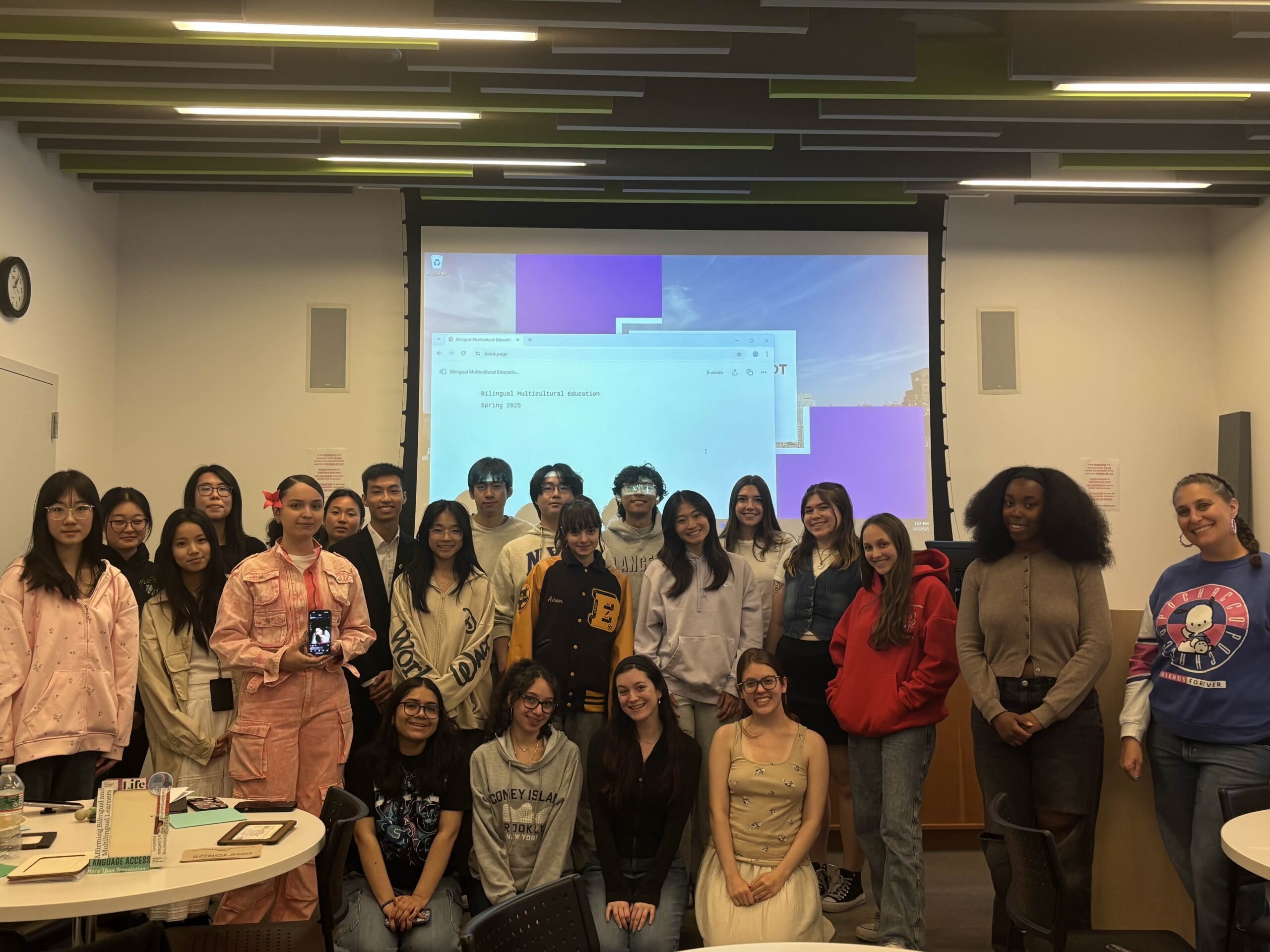
One of the greatest things about the Teaching & Learning program? The people. We’re cohort-based, so we have the same classes with the same people each semester. We also all student-teach at the same time, so we would celebrate each other’s victories and work through the challenging days.
In addition to strong peer support, NYU professors understand the challenges of student teaching. They design assignments that directly connect to what’s happening in our placements. Many of our assignments are actual lesson plans we use with students!
The OSCP matches us with schools that reflect our teaching interests and values. Some of us work in dual-language or STEM programs. Others are placed in schools that support students with special needs. These placements help us grow into the educators we hope to become.
Advice for Future Student Teachers
If you’re preparing for student teaching, or even just considering it, here’s some advice I’d give:
- Embrace the unknown: No two days in the classroom are ever the same. Be flexible, stay curious, and be open to learning from your students, teachers, and field mentor teachers.
- Make your coursework worth it: So much of what you learn in class transfers directly over! Use what you are learning in class to better the classroom environment!
- Take care of yourself: Teaching is fulfilling, but it can also be draining. You are balancing student teaching with coursework, so make sure to get enough sleep, eat a healthy diet, and take a break occasionally.
- Celebrate the small victories: A student recalling yesterday’s lesson or even a hug during dismissal – big or small, they are victories. These are the things that matter.

Related
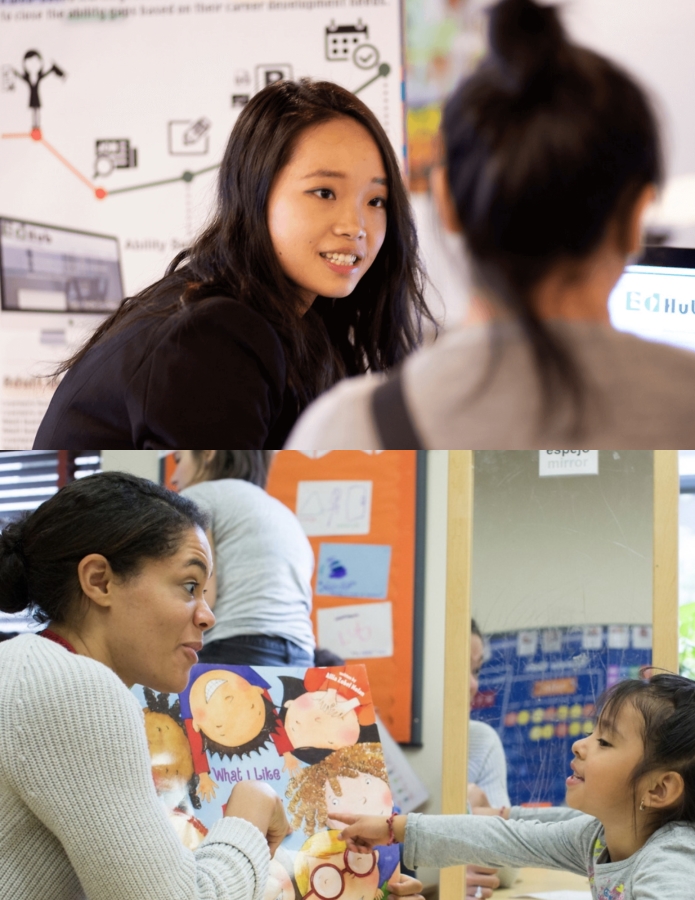
Get Educated on Education Programs at NYU
Here are the various education programs at NYU that you can choose from. Find the one that is the best fit for you!
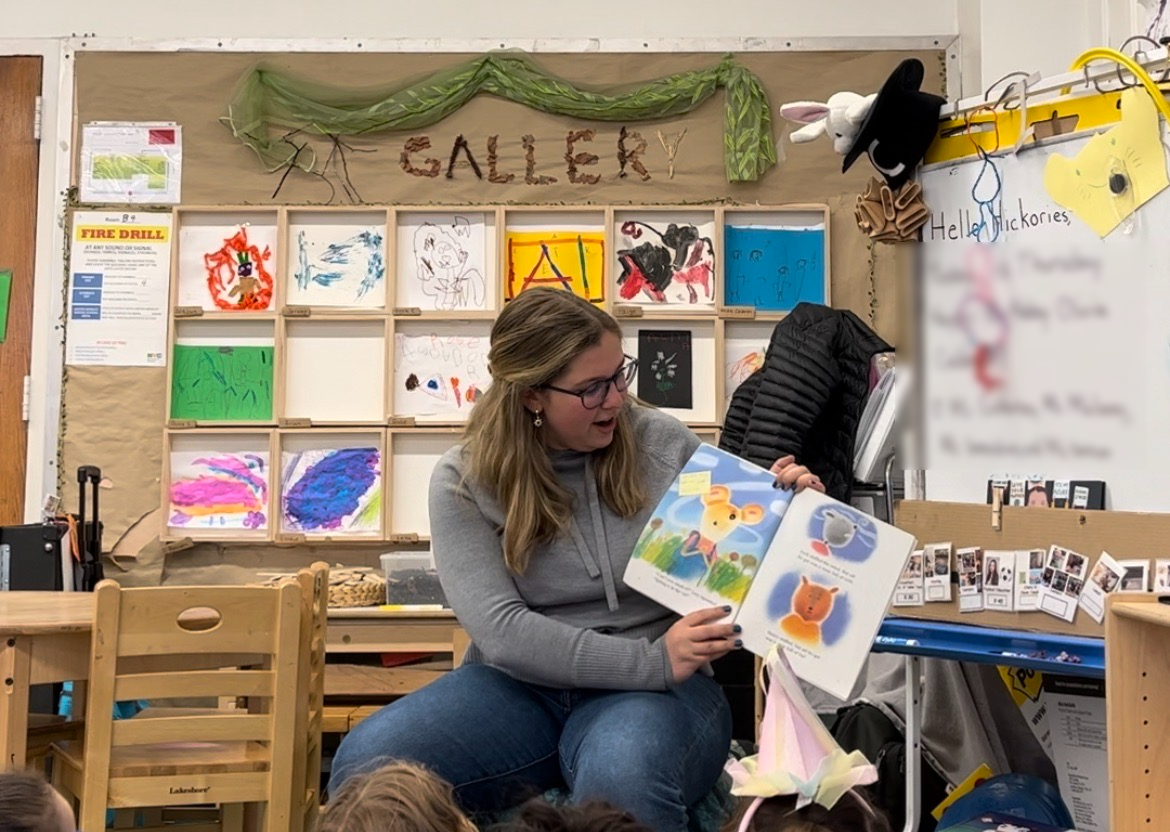
A Day in the Life of an NYU Student Teacher
Curious what it’s like to teach preschool while also an NYU undergraduate student? Digital Ambassador Maggie shares a glimpse of her day!
An Education Studies Major Finds Her Way
Change and discovery are constants for NYU Steinhardt Class of 2022 graduate Jolie Radunich.