Published April 03, 2026
An NYU International Student Survival Guide (Part II)
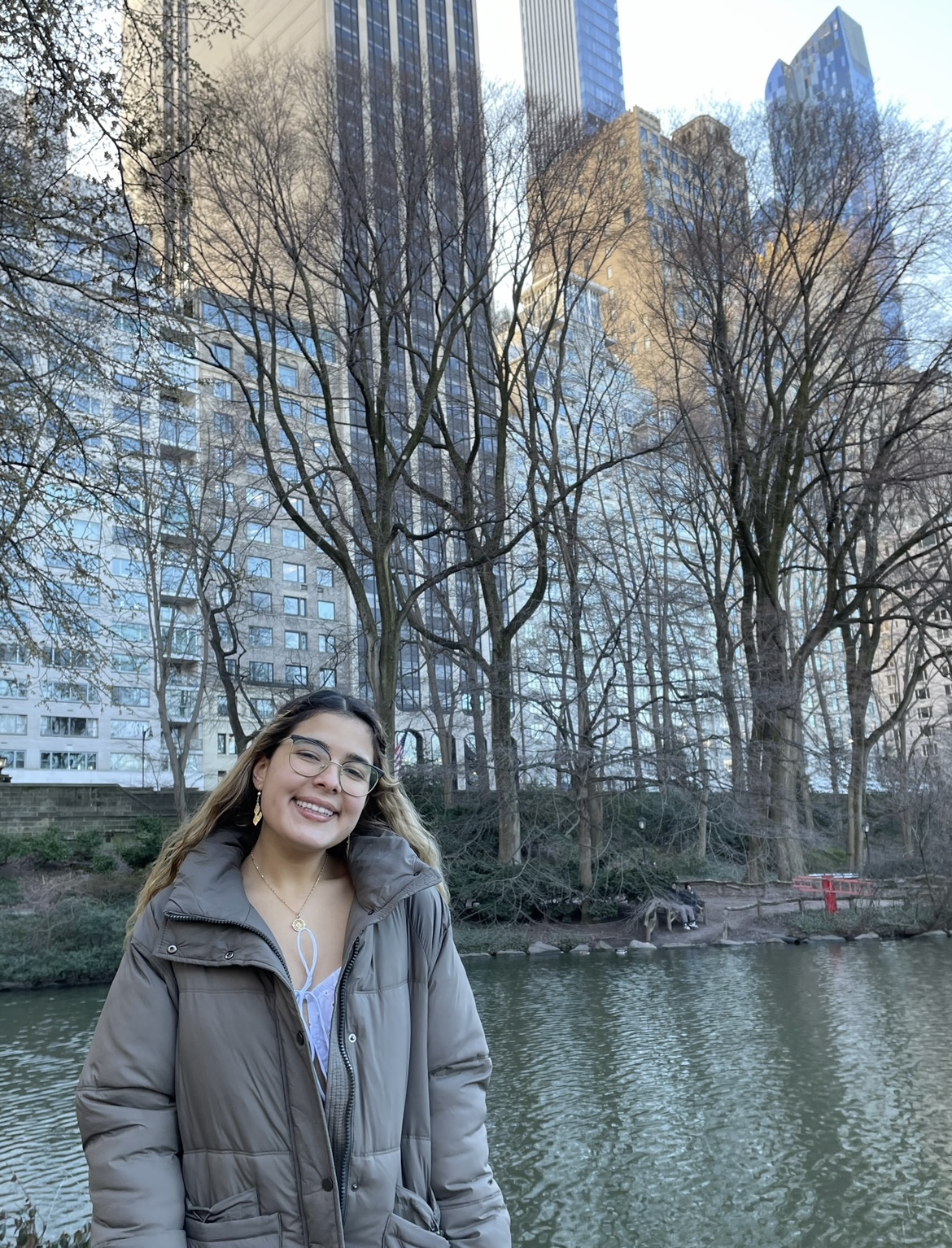

Me and Vivi at a Shawn Mendes concert in NYC: a reminder of how friendship makes a foreign city feel like home.
The TL;DR
- Adapting to a new culture comes with unexpected challenges.
- Understanding social norms can ease the transition of an international student.
- Building connections helps navigate life as an international student.
Being an international student is not only about taking a plane and moving from point A to point B, it’s about learning a new culture and immersing yourself in an experience that no one prepares you for. I moved from Costa Rica to the United States in the Fall of 2022, with two red suitcases and my one-way ticket in my pocket. I felt the butterflies in my stomach, the heartache of saying goodbye to people who have marked my life and made me the person that I am today. I still remember waking up before landing, looking outside the window, and seeing New York for the first time. Is this home now?
As you can see, this is part II of the NYU international student survival guide. Here, I dive deeper into social procedures and cultural shocks that I wish I had known before coming to the U.S. I hope these insights ease your transition and serve as a reminder that as international students, we have a community that is always here for you.
1. Hi iMessage bye Whatsapp

When considering the challenges of adapting to a new environment, beyond the financial and time commitments, communication stands out as a significant factor. Back home, I was accustomed to constantly communicating with my family and friends via WhatsApp, often using stickers to express my emotions and share stories. However, upon arriving in the U.S., I encountered an unexpected cultural difference: most people here don’t use WhatsApp.
Instead, my new friends communicated through iMessage, an app I had barely used. I quickly found myself added to group chats and bombarded with abbreviations and slang I had never encountered before. Adapting to iMessage has been a challenge, and honestly, I still haven’t fully adjusted. I wish I had been better prepared for this transition before arriving in the U.S., perhaps by familiarizing myself with the app’s features to avoid feeling so out of the loop.
To help other international students facing a similar challenge, I’ve compiled a list of commonly used acronyms in iMessage, which should help you navigate conversations more effectively:
- OMW- on my way
- IDC- I don’t care
- IYKYK- if you know you know
- JK- just kidding
- LOL- laughing out loud
- ILY- I love you
- POV- point of view
- TBH- to be honest
- SRSLY- seriously
- BRB- be right back
- DM- direct message
- IRL- in real life
- IDK- I don’t know
Adapting to new communication methods is just one of many cultural shifts international students experience. By preparing and familiarizing yourself with the tools and language used in your new environment, you can ease this transition and foster connections with others more smoothly.
Another option is encouraging your friends to download WhatsApp, which is definitely what I did.
2. How are you? Doesn't really mean how are you

Adjusting to a new country involves learning and adapting to different cultural norms and communication styles. In many Latin American countries, “How are you?” often leads to a lengthy conversation and an update on recent events. However, this is not always the case in the U.S.
In the U.S., “How are you?” can be a challenging adaptation aspect, as it can sometimes serve as a casual greeting rather than a genuine inquiry into one’s well-being. Initially, I found it somewhat disrespectful when people say “How are you?” and then immediately walk away without engaging in further conversation. Over time, I understood that this was simply a different communication style and that taking offense was not productive.
I discovered that if I wanted a more meaningful response, it was more effective to ask questions like “How was your day?” or “How are you feeling today?” This adjustment allowed me to receive the responses I was seeking.
Adapting to a new country involves embracing and understanding its communication practices. Instead of becoming frustrated, focusing on creating new ways of connection can lead to more effective and satisfying interactions.
3. Appropriate greetings

Regarding communication, one important thing to understand is how people greet each other. In Costa Rica, it’s common to greet someone with a kiss on the cheek and a hug. Different countries have their variations, some do two kisses, others just a hug, or even three kisses. In the U.S., however, greetings are usually much simpler, often just a casual “hi” with a “nice to meet you,” you won’t often see kisses or hugs.
At first, this way of greeting was strange. It felt cold and less engaging compared to the warm and enthusiastic greetings I’m used to. However, I soon realized that this approach respects everyone’s personal space. Not everyone is comfortable with physical contact, so having a standard greeting helps ensure everyone feels included and avoids making anyone uncomfortable.
As you get to know people better, these initial, simple greetings can sometimes become hugs. This shift shows that you’ve developed a closer relationship and adds a personal touch to your interactions
Overall, my recommendation for this new type of greeting is to find friends who understand when you need a hug.
4. It’s ok to ask someone to repeat themselves

As an international student whose first language is not English, you might experience significant mental exhaustion from hearing English all day. This isn’t necessarily because you’re tired of the language, but because translating every thought can be tiring. Sometimes, this can make it hard to understand what others are saying. Additionally, the United States has a wide range of accents, and not everyone pronounces things the same way, which is perfectly okay. It’s important to remember that asking someone to repeat themselves is perfectly fine.
Your brain can be fatigued, you might be having a rough day, or you could be energetic but still not grasp what someone is saying. In any case, don’t hesitate to ask for clarification. In my three years here, I’ve never encountered anyone rude or annoyed by my requests for repetition. There’s no shame in telling someone that you’re tired, that “your English is not Englishing,” and that you need time to process what they’ve said.
To avoid language burnout, I find it helpful to set aside time to speak in my native language, such as through a phone call with my mom or chatting with friends. Listening to Spanish podcasts or music also gives my brain a break. Additionally, engaging in activities that don’t require language processing, like walking, exercising, or painting, can be very beneficial.
Related

An NYU International Student Survival Guide
Advice from an NYU international student with essential tips and lessons I wish I had known before moving to New York.

Job Hunting as an International Student at NYU
Learn some tips on job hunting as an international student from an NYU student who has experienced it herself.
International Transfer to NYU 101 Guide
Thinking about transferring to NYU from outside the US? Here is a guide for international transfer students to make the process easier.