Published November 26, 2025
Things I Wish I Knew Before Diving Into Application Season

The TL;DR
- College applications are harder than anyone admits, but the process teaches you self-awareness, resilience, and how to navigate uncertainty.
- Staying organized, grounded, and intentional (with your time, your energy, and your resources) helps you navigate the chaos long before decisions ever come out.
College application season is hard. No one sugarcoats that. To me, it felt like standing on the edge of a moment that determined everything. The uncertainty of it all was the worst part, not knowing where, when, how anything would work out would have me questioning every choice I had made up until then.
There are so many things I wish I knew before diving head first into application season, here are a few of them:
1. There is more to the journey after you click submit on the CommonApp
Once you click the magnificent submit button on the CommonApp, you get virtual confetti (yes, very joyous I know). And while it feels like a cinematic ending, it is not the end of the journey. A few days later, you’ll receive an email from the college asking you to set up your applicant portal. This portal becomes the official source of information for everything in your application: what has been received, what is still pending, and what still needs your attention.
While, in most cases, your high school counselor is responsible for uploading transcripts and recommendations, counselors often manage large caseloads. Do not assume everything is handled, check until you see every green check.
If your program requires an artistic portfolio, plan ahead. Submit your Common App ideally a month before the deadline so you have time to prepare and upload your portfolio materials.
For portfolio-based programs, the application is not complete until both components are submitted, and students do not get a grace period.

2. The journey is way more about reflection, embrace it, be self aware and take it as an opportunity for personal growth
When I first opened the Common App and read through all the essay questions, I froze and staring at my blank Google Doc didn’t help. Some of the prompts felt abstract, others felt impossibly deep, and many felt like they were asking me to reflect on my life in a way I had never done before. I remember staring at questions like “Reflect on a time when you questioned or challenged a belief or idea…” and thinking, I don’t even know what my “story” is.
I had never reflected on my life in the depth that was suddenly expected in these essays. But this is exactly where the biggest growth happens. This process forces you to pause and actually understand yourself, your values, your motivations, your turning points. It makes you ask difficult but important questions: Why does this matter to me? How did this moment shape the person I am? What part of myself have I never articulated before? And even though that kind of introspection feels uncomfortable at first, it becomes the foundation of your strongest writing.
Here’s something I wish I knew when writing: be simple and answer the prompt. There is no trick or hidden meaning behind the questions. Write in a way that feels natural. Be as clear as possible. Break down the prompt and make sure you respond to every part of it. Don’t overthink it. Don’t try to guess what admissions officers want to hear. The more you try to sound impressive, the more you dilute your real voice.
Another thing that really helped me was saving every draft. Even the messy ones, even the ones I was convinced were awful. I can’t count the number of times I pulled a sentence, a metaphor, or a reflection from an old draft and used it in a completely different essay. Your ideas evolve, and sometimes what doesn’t work for one prompt doesn’t work because it is perfect for a different one.

3. Deadlines tend to cluster.
One thing I absolutely was not prepared for WAS how quickly deadlines stack up. On paper, it looks manageable, but in reality, everything starts happening at once. December feels like a countdown.
And this isn’t because you’re unorganized or behind, this is simply how the timeline works. The best thing you can do is anticipate the chaos and structure it before it hits.
Put every single deadline into Google Calendar the moment you learn about it. Set multiple reminders: one a week ahead, one a few days ahead, and one the morning of. Break each application into smaller pieces and add those to your calendar too.
Giving yourself visual structure helps you stay grounded when everything starts happening at once.

4. Don’t go down a rabbit hole on social media, but DO use the resources available to you!
While online spaces can be helpful, they can also send you into a spiral if you’re not careful.
Use the internet strategically. It’s great for learning about student life, campus culture, financial aid tips, and hearing honest experiences from people who actually attend the schools you’re applying to. But it is not the place to compare your stats to strangers’, diagnose your chances, analyze acceptance patterns, look for “essay hacks,” or obsess over who got in where with what GPA. Those things only create anxiety because you’re comparing yourself to incomplete stories without any context.
Be intentional with what you consume: use resources that inform you, not ones that undermine you.
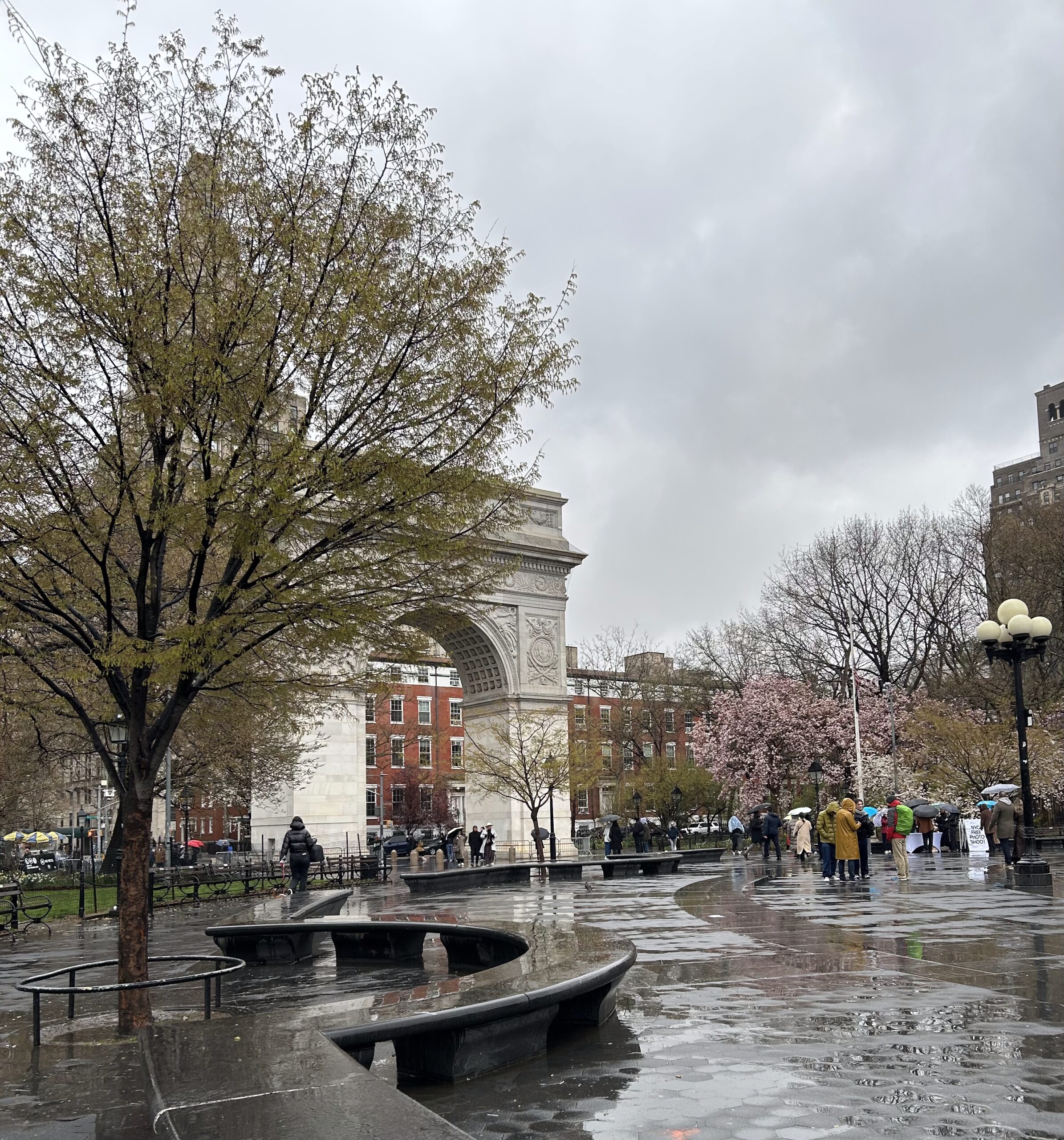
5. Look for how the schools you are applying to would help you achieve your goals
When you’re applying to college, remember that it’s a two-way street. Can you see yourself thriving there? Take time to think about your goals, the kind of environment you want to grow in, and the type of people you want to be surrounded by. Explore what each school offers, not just in academics, but in community, values, and opportunities.
Then ask yourself: Can I picture myself walking across this campus? Do I feel excited about the people, the energy, the culture? Do I see myself learning, struggling, succeeding, and evolving here?
That feeling matters more than you think. Your college should support who you are now and who you’re becoming, so choose a place that aligns with your aspirations and feels like somewhere you can build a life.

Start your application to NYU today!
Related

Things I Wish I Knew Before Applying to Gallatin
Designing your own major can seem thrilling. However, in case you’re stressed or confused about applying to Gallatin, here are some things I wish I'd known.

What I Wish I Knew Before Applying to College
Applying to college can be scary, but it doesn't have to be. Check out some helpful things to know before you begin the college application process.

What I Wish I Knew Before Going to College Abroad
Considering college abroad? NYU Shanghai student Sarah shares five things she wishes she knew before becoming an international student.