Finding Alternative Breaks
One weekday afternoon in the early fall of my freshman year, I was sifting through my email when I came across a message listing service opportunities at NYU. I stopped scrolling when the header “Global” caught my eye, where underneath it read, “NYU Alternative Breaks.” I learned that Alternative Breaks is a small program run through the Office of Global Programs that sends students on service trips around the world during either Winter or Spring Break. They have more than fifteen locations, like Morocco, Peru, and Cape Town — just to name a few — where students actively contribute to a range of local, social, and/or environmental efforts.
It was a no-brainer to apply, and the process itself was smooth, consisting of a few supplemental essays and a group interview. I was matched with my first-choice to Costa Rica, which I was initially drawn to because of its focus on supporting ongoing environmental sustainability efforts.
Arriving in Costa Rica
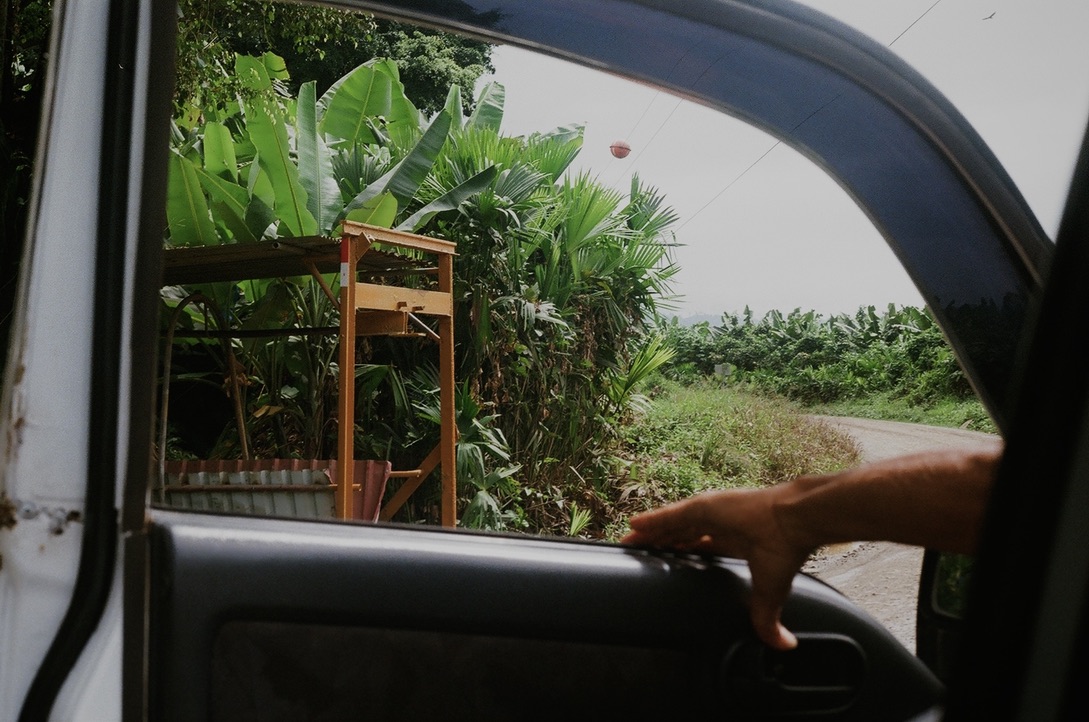
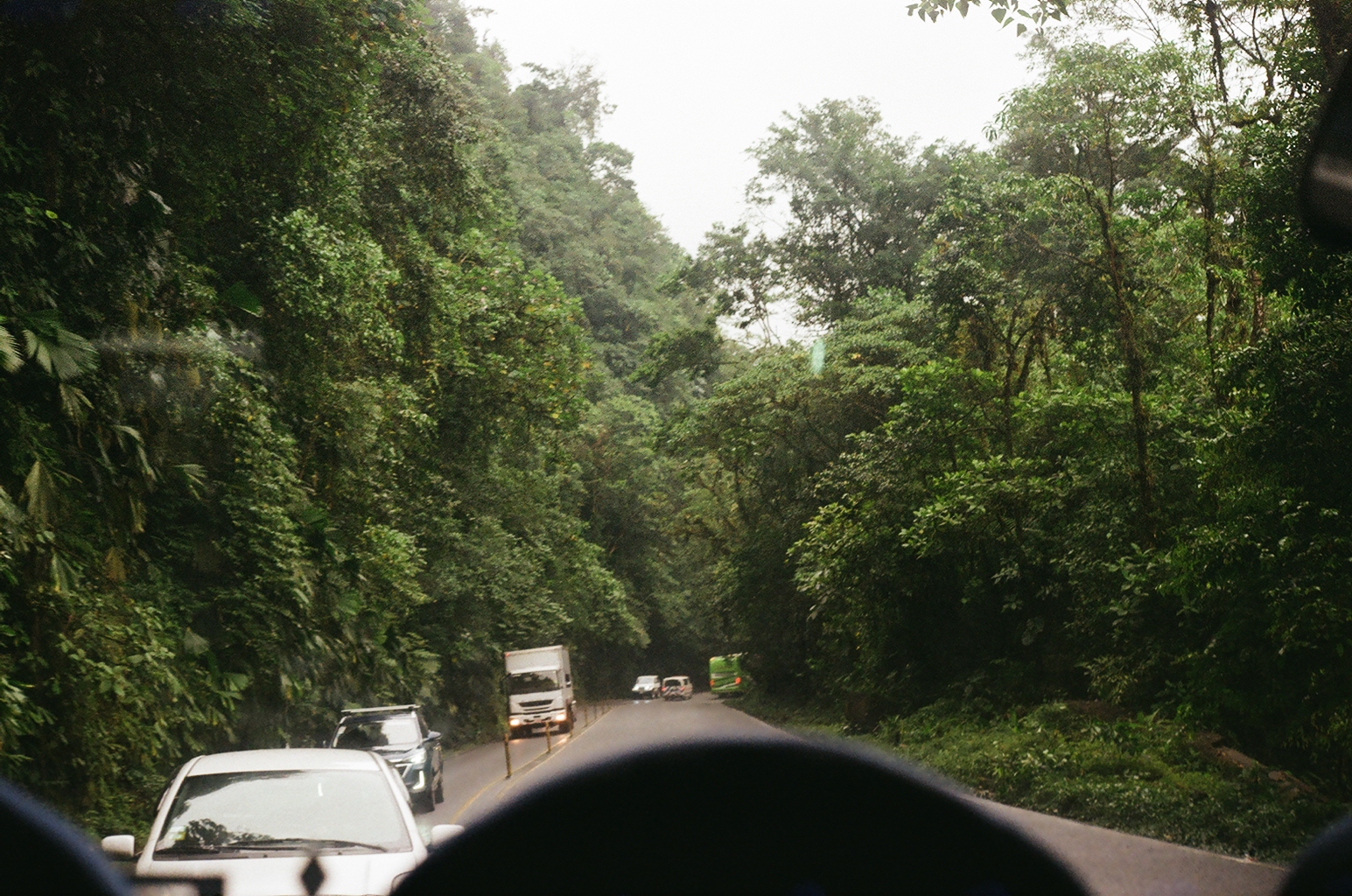
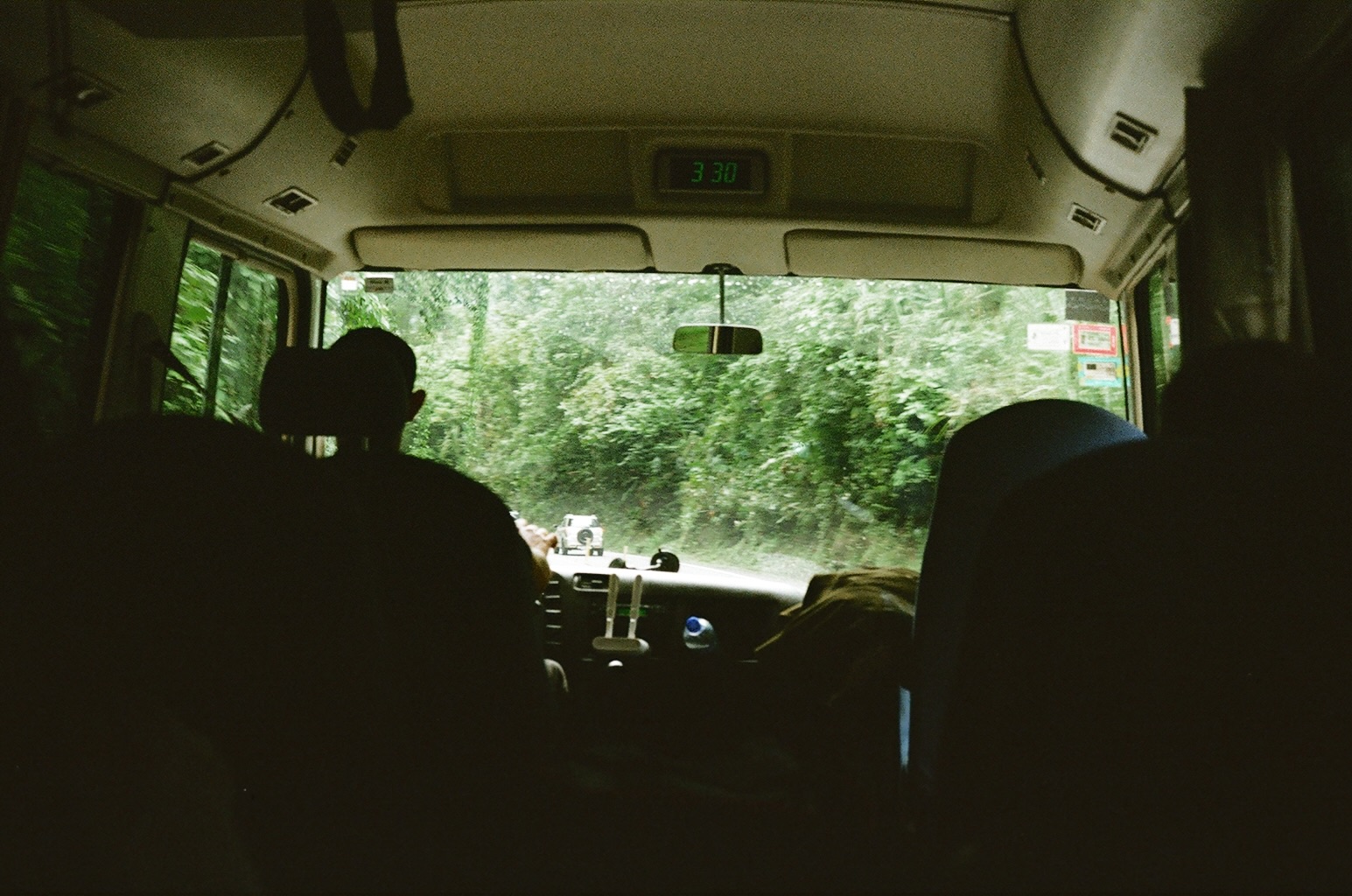
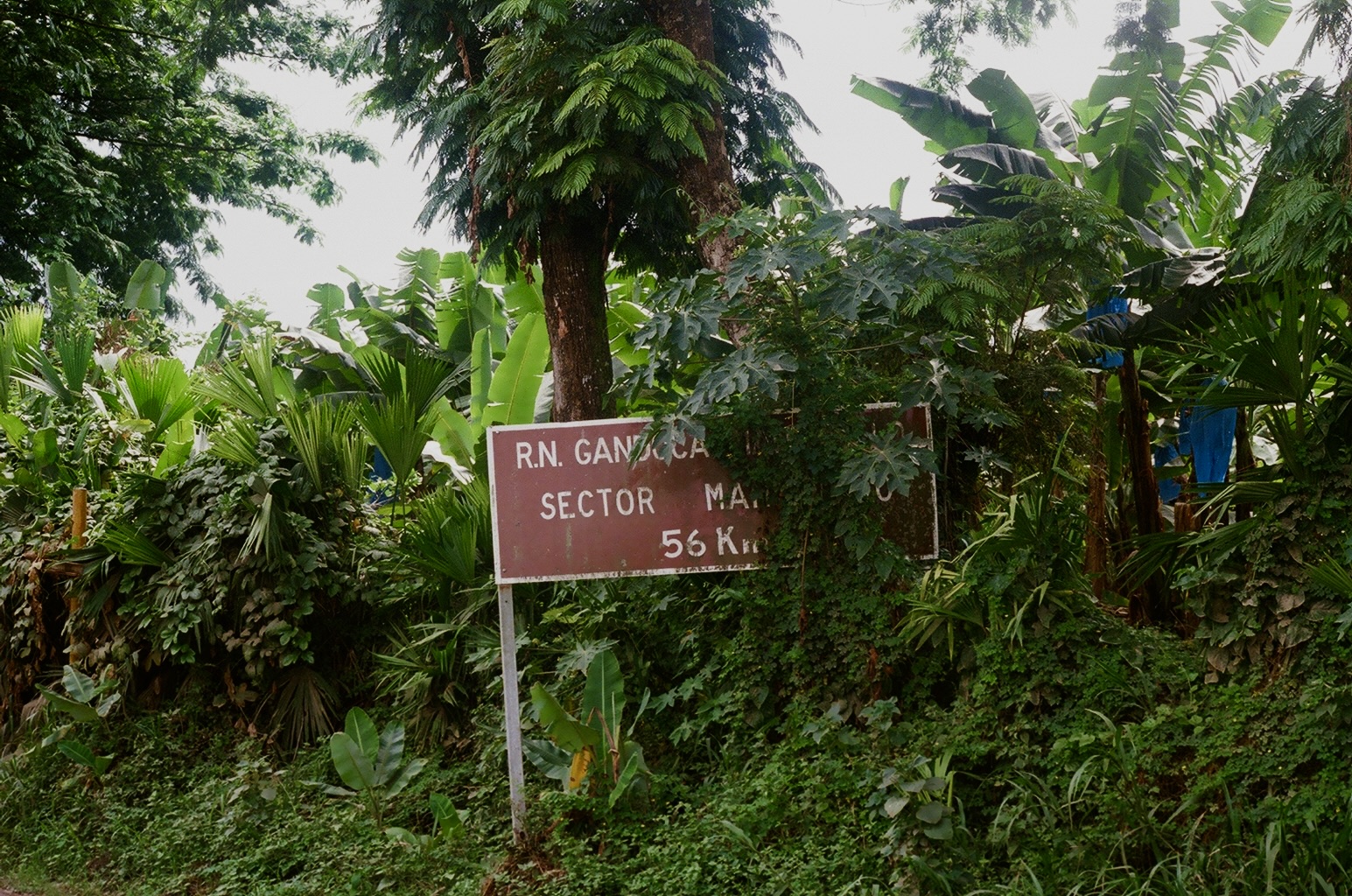
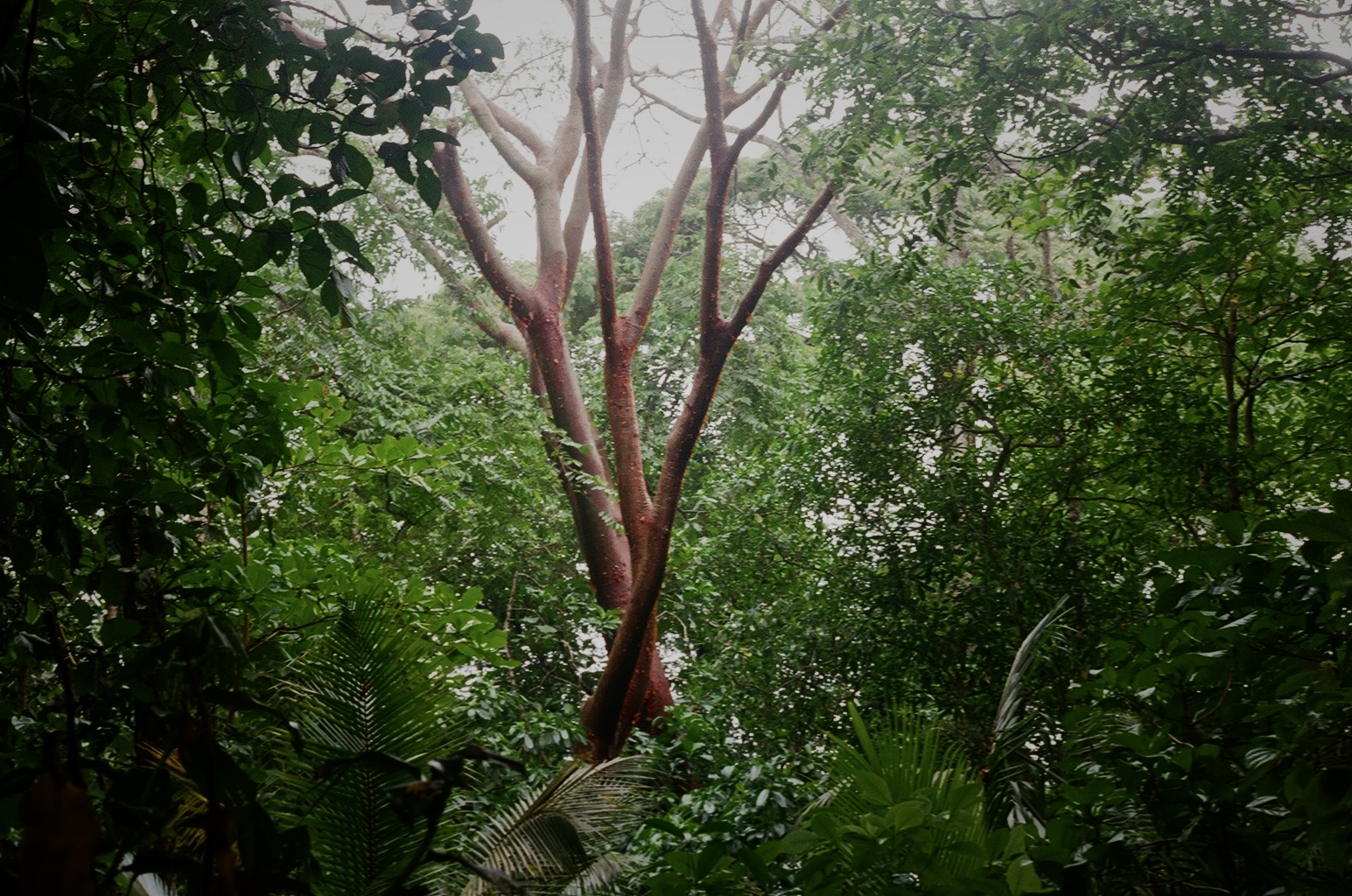
I was captivated by the environment, especially after coming from winter in New York, when we arrived in Costa Rica. We took a six-hour drive from San José to Gandoca, and it was stunning. We wound through the mountains on a narrow two-way road surrounded by dense, lush greenery. Every so often, I’d catch the glimmer of a small waterfall or the quick flash of bright red or yellow as motorcycles sped by in the opposite direction.
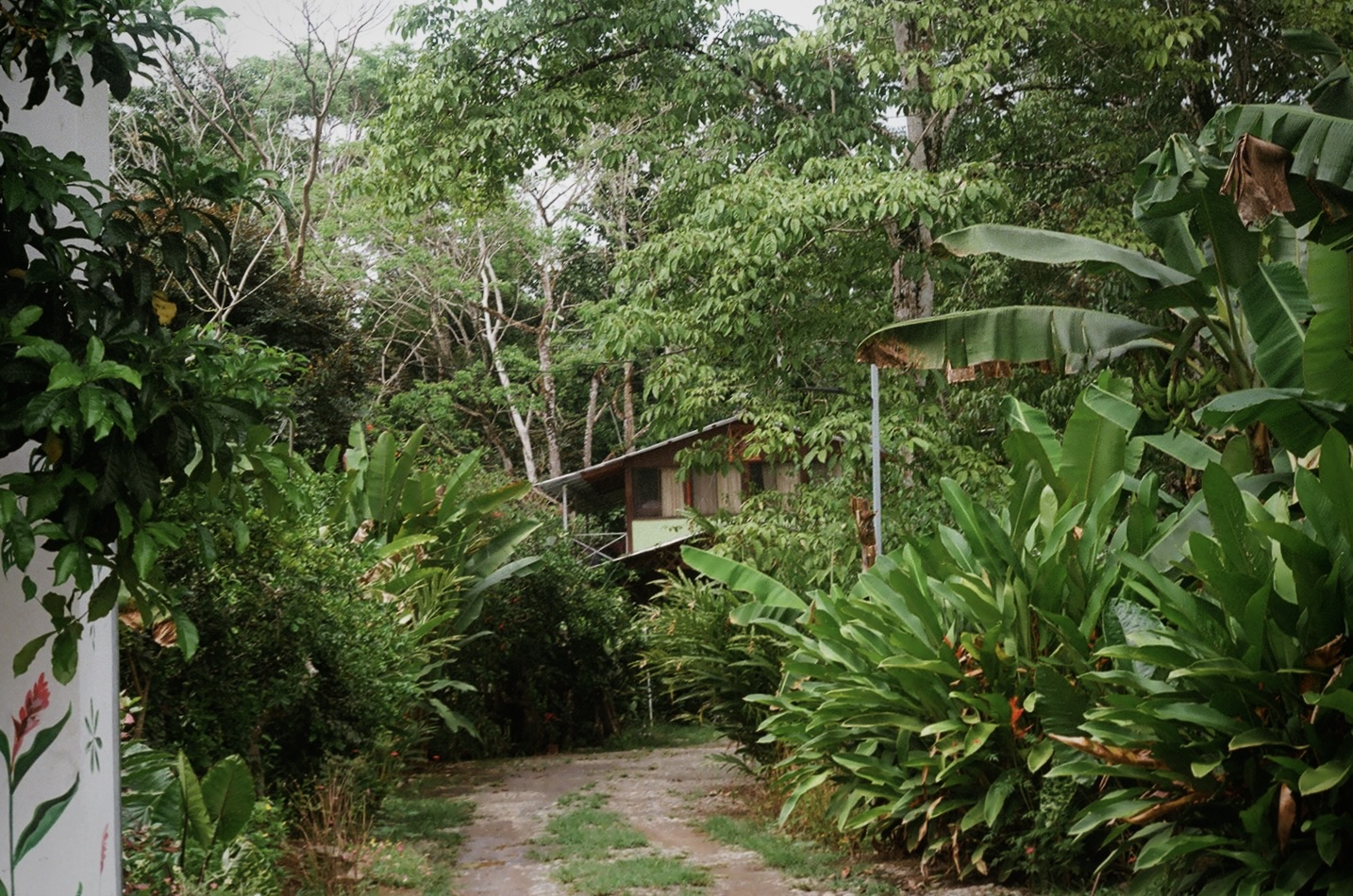
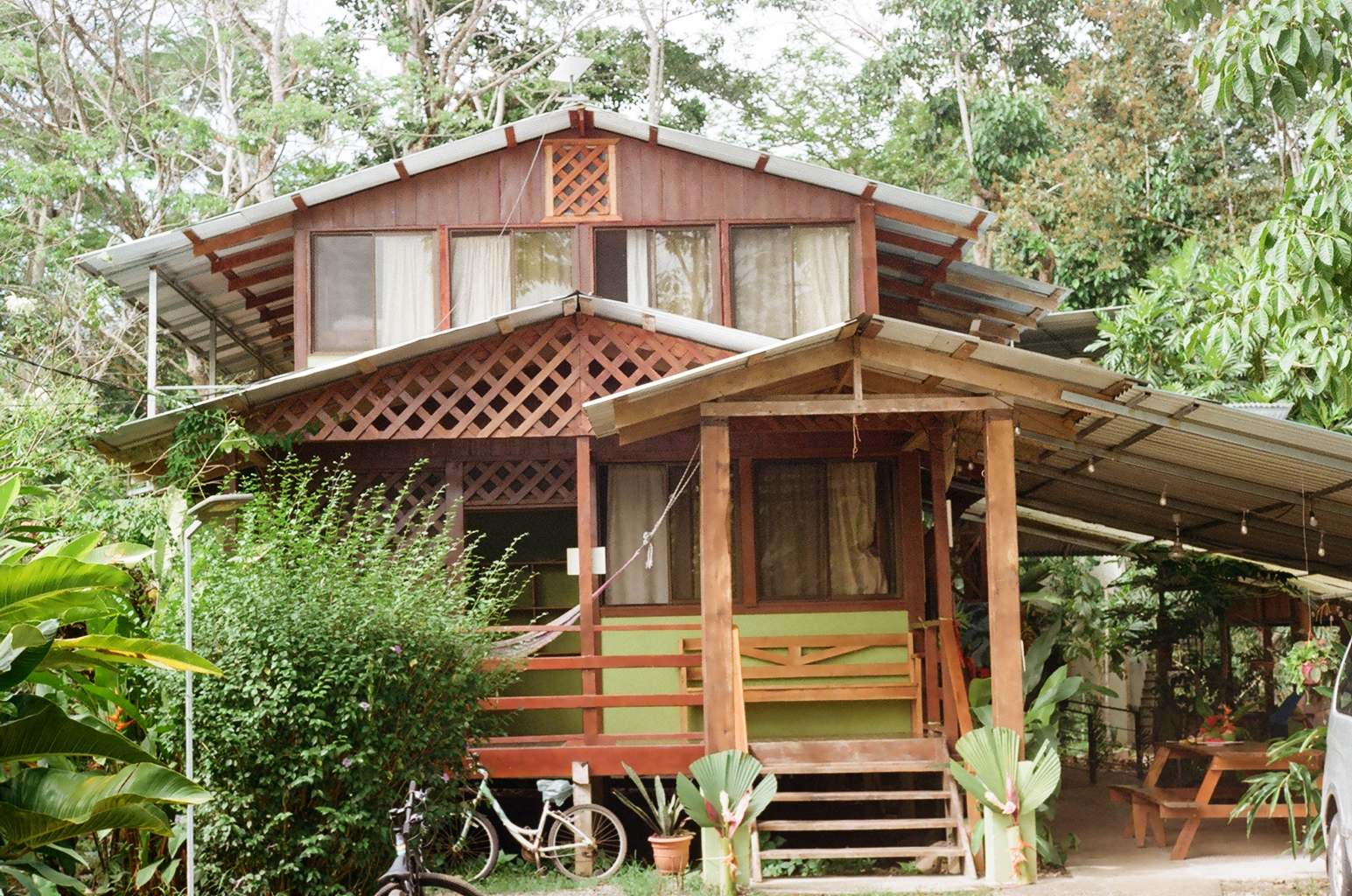
I was shaking from the very bumpy gravel road when we came to a stop at a wooden house that had “Casa Tucan” painted on the side. We were greeted by the family who lived there, and one of them, Mario, cracked open fresh coconuts for us, a gesture that continued throughout the week.
Life in Gandoca & Casa Tucan
Casa Tucan is a family-driven initiative started by one son, Andre, after growing frustrated with Gandoca’s horrible working conditions on banana plantations, where some employees endure respiratory side effects. Before colonization, Atlantic-coast areas like Gandoca thrived with biodiversity, with farmers mostly of Jamaican descent practicing organic cacao farming.
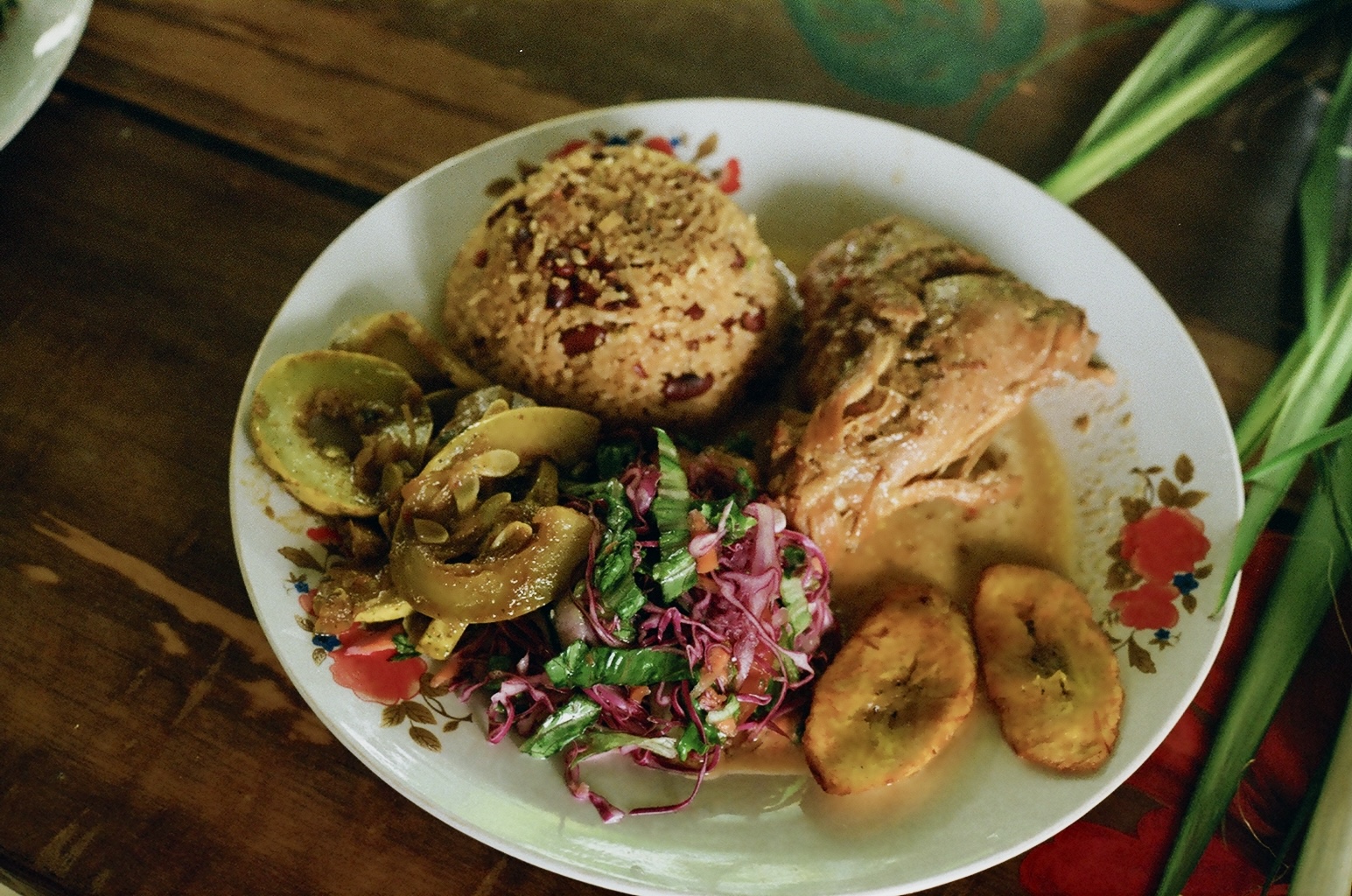
Casa Tucan teaches about the systematic erasure of tradition that banana plantations have caused on the Caribbean coast of Costa Rica, and Andre’s efforts to revive organic cacao farming, all while giving students opportunities to contribute hands-on. It also provides small jobs and a third space for his family, such as the kitchen, where his mother cooked us meals every day.
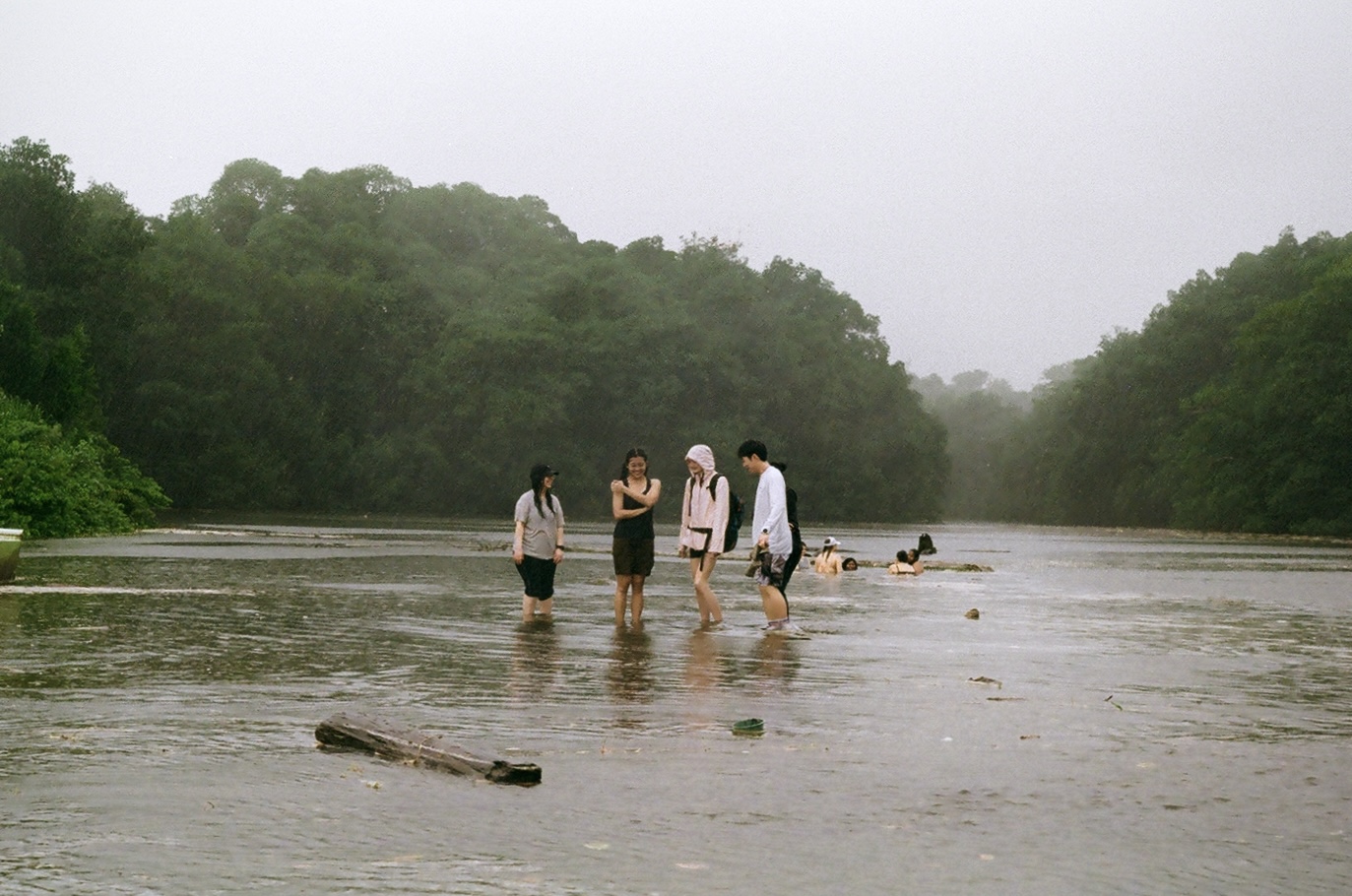
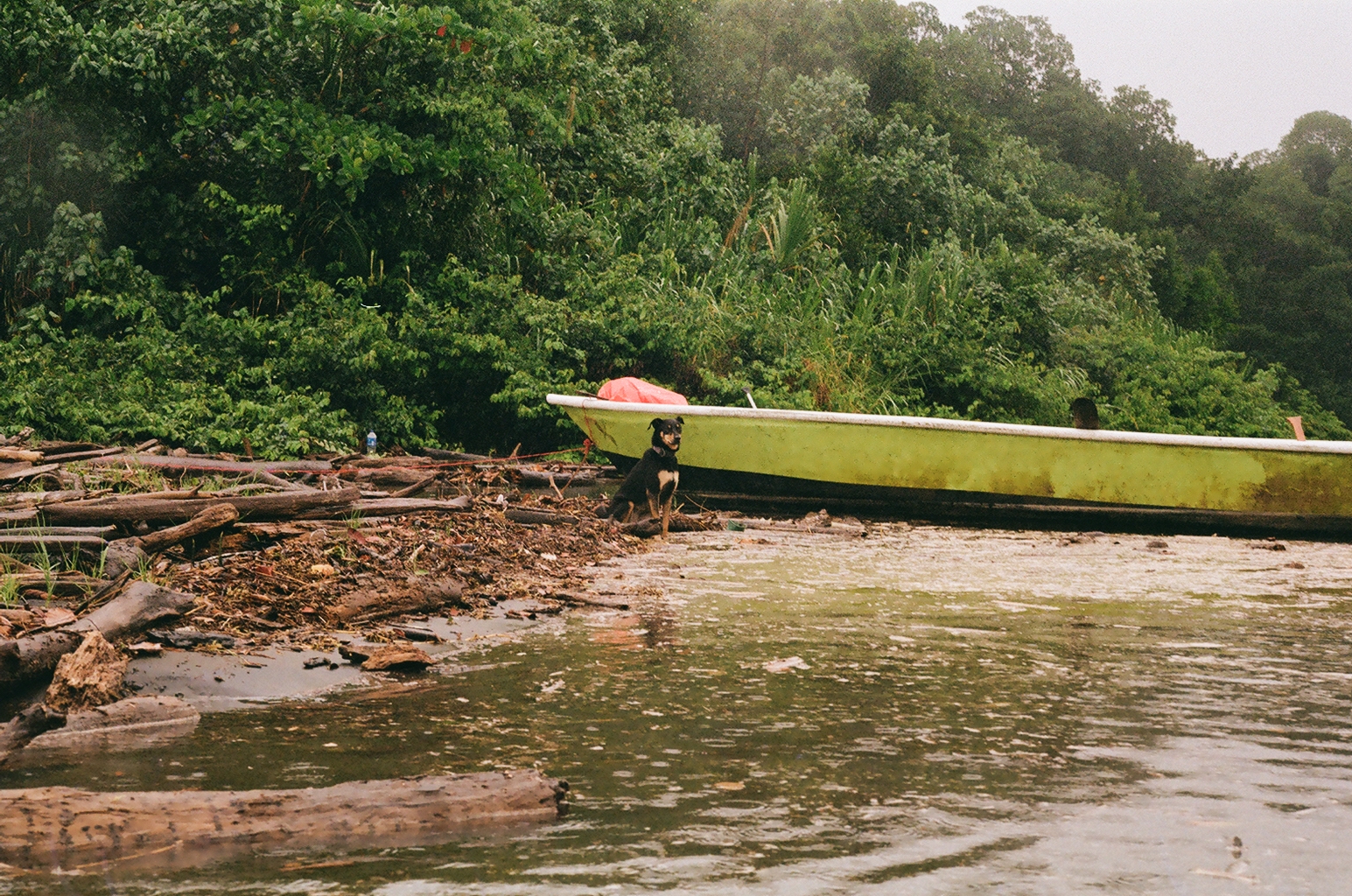
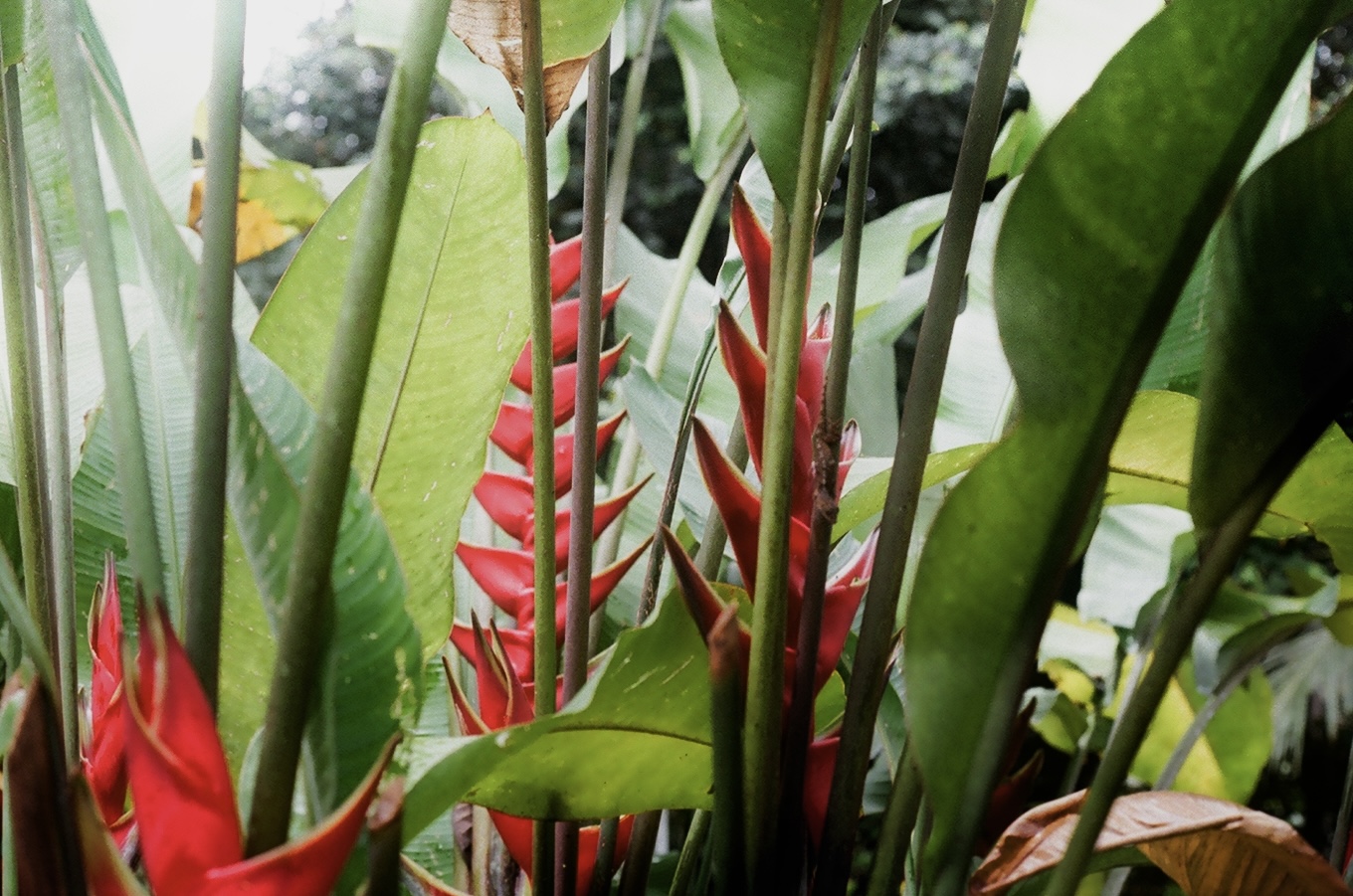
At the beginning of the week, we spent our day walking in the rain along the gravel roads of Gandoca, seeing the schools and even passing one that we went back to later in the week to help start a farm at. Yuma, one of Casa Tucan’s leaders, led us off the gravel road and through big plants with huge leaves. When we reached the other side, there was a narrow deck, a red boat, and a lagoon. As we boated through the lagoon, we eventually reached the ocean, meeting up with the other half of the group who had split off earlier to walk the whole way to the beach.
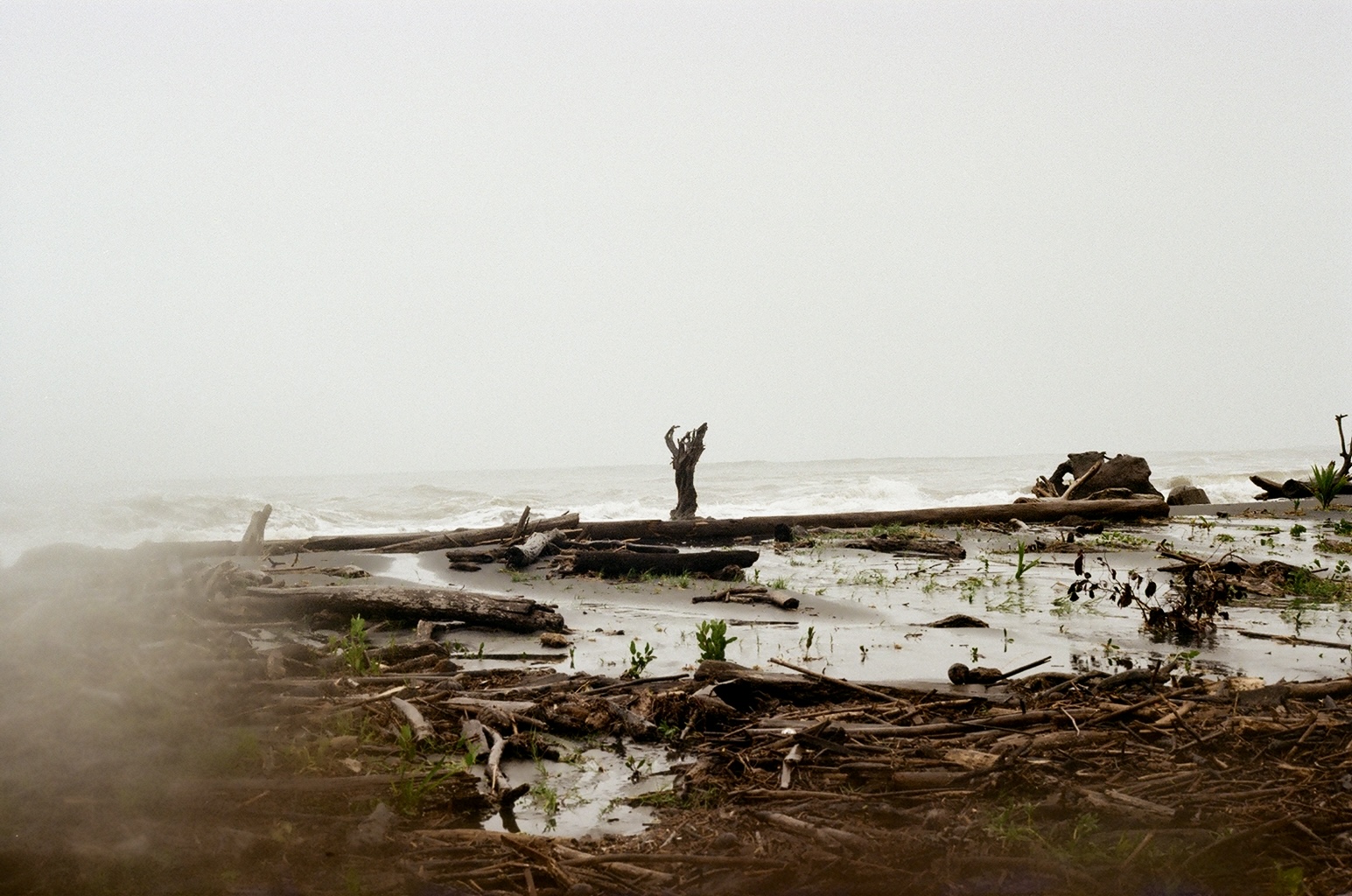
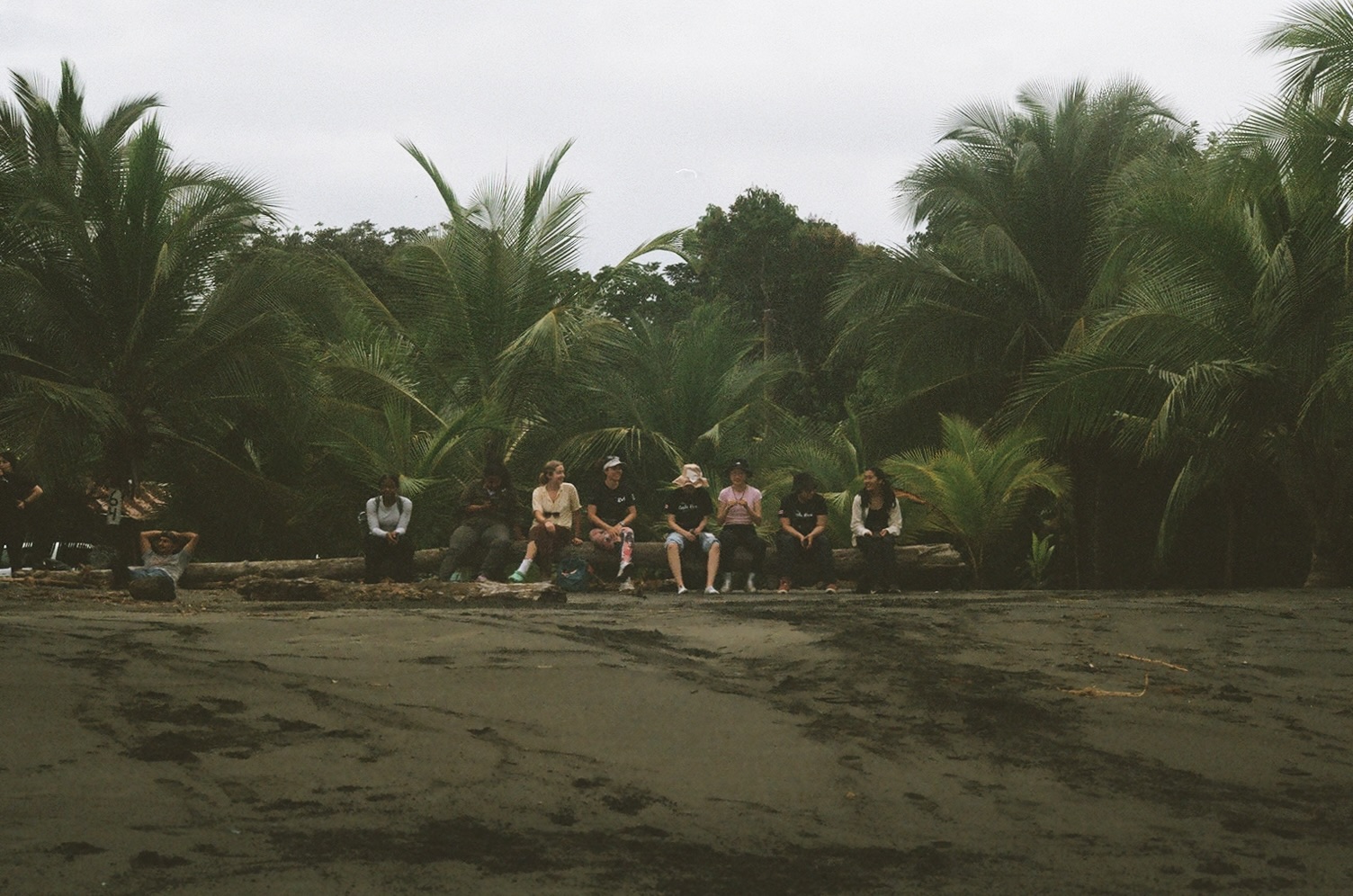
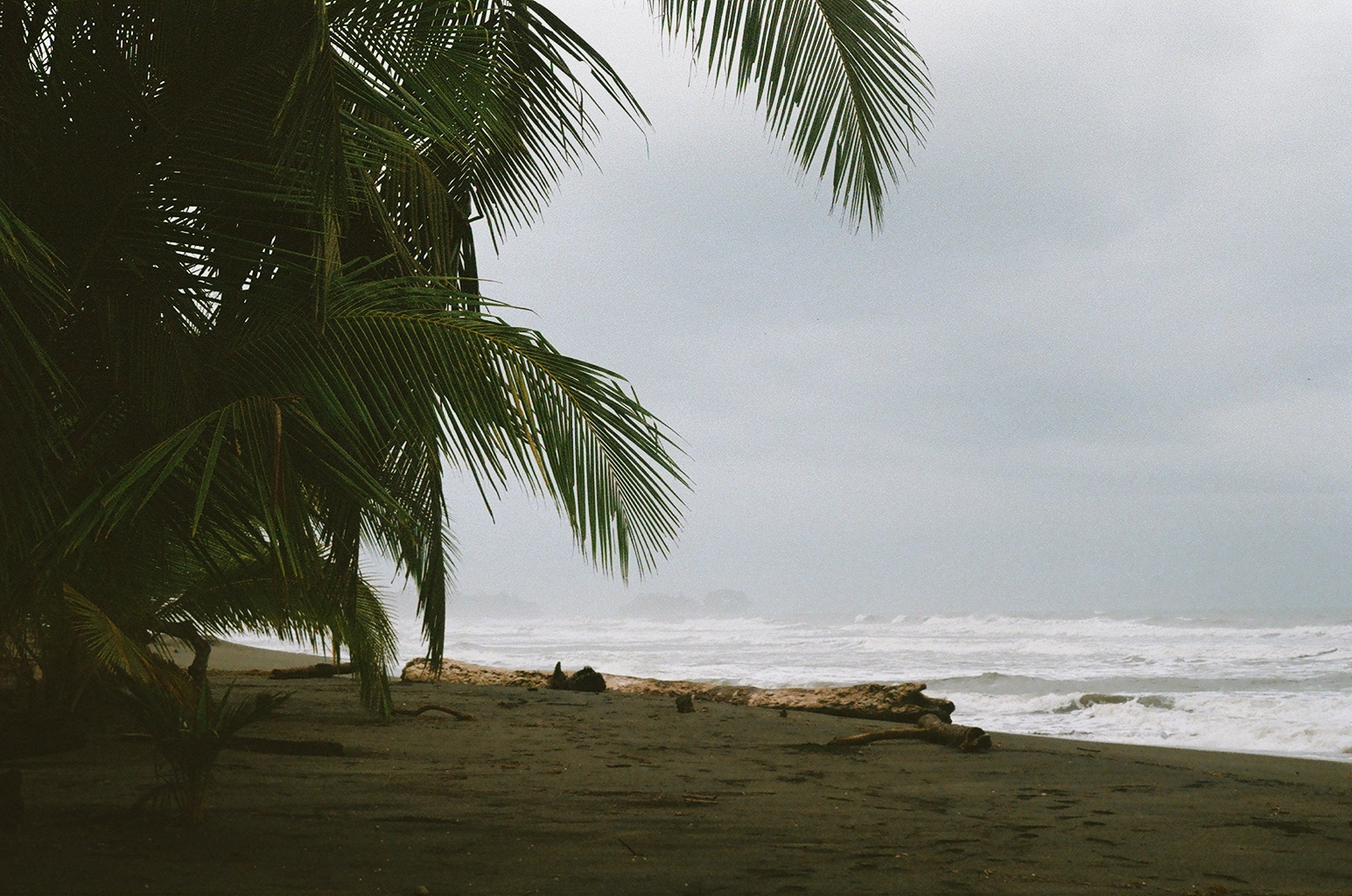
We spent some time chilling in the lagoon. Mario handed out coconuts, which we sipped while submerged in the water as the rain still fell. When it was my half of the group’s turn to walk back, that’s when I finally realized it was a black-sanded beach — my first time seeing one! Fiona, Andre’s dog, who was trained to look for turtle eggs, sniffed around the high tide line and shore, which we went back to later that night for tagging.
Returning to Casa Tucan that day was hilarious as everyone changed out of their soaking clothes, but I had a big problem: my phone was not turning on. It spent two whole days in rice, but still nothing. I wasn’t initially upset since I had my laptop to communicate with folks back home, but the thing that struck me the most was not being able to take any quick pictures! Luckily, I did have my film camera with me. I kept it by my side every day, and while manual shooting took extra effort, it gave me photos I love.
Reflections & Takeaways
My favorite part of Costa Rica was the connections formed at the beach and how often we returned. I could see how significant the beach felt to locals like Mario, Yuma, and Andre, where they could relax. It became a place where I got to know each of them personally through long conversations every time we returned.
One specific memory I have is from the day we helped start the organic farm at the elementary school. After our afternoon spent on our knees sowing, Mario rode all of us to the beach. It felt like a small celebration, almost like an award. We laughed and ran around, with Fiona joining in on the fun as well.
Applying for Alternative Breaks was one of the most eye-opening experiences I’ve had in my life. I learned a lot, built new connections, and heard stories from local farmers and families like Andre’s. These stories have genuinely made me a better person, more aware of the factors that may seem out of our control but can be disrupted with active effort. Alternative Breaks allowed me to go somewhere so remote, a town so small, yet come back with a new perspective that I’ll carry with me.
If you or a friend are looking to experience a short but hugely meaningful Global Program, look into Alternative Breaks. This is just one experience in Costa Rica, but I have no doubt the rest are just as incredible.
Related
NYU Spring Admission? What’s That?
If you don’t know what spring admission to NYU means, you’re going to want to check this out.
Alternative Breaks: Building Community through Service
Alternative Breaks are service-oriented, immersive opportunities around the world where civic-minded NYU students learn and build community.