Published August 31, 2026
Cool Course: Introduction to Forensic Anthropology


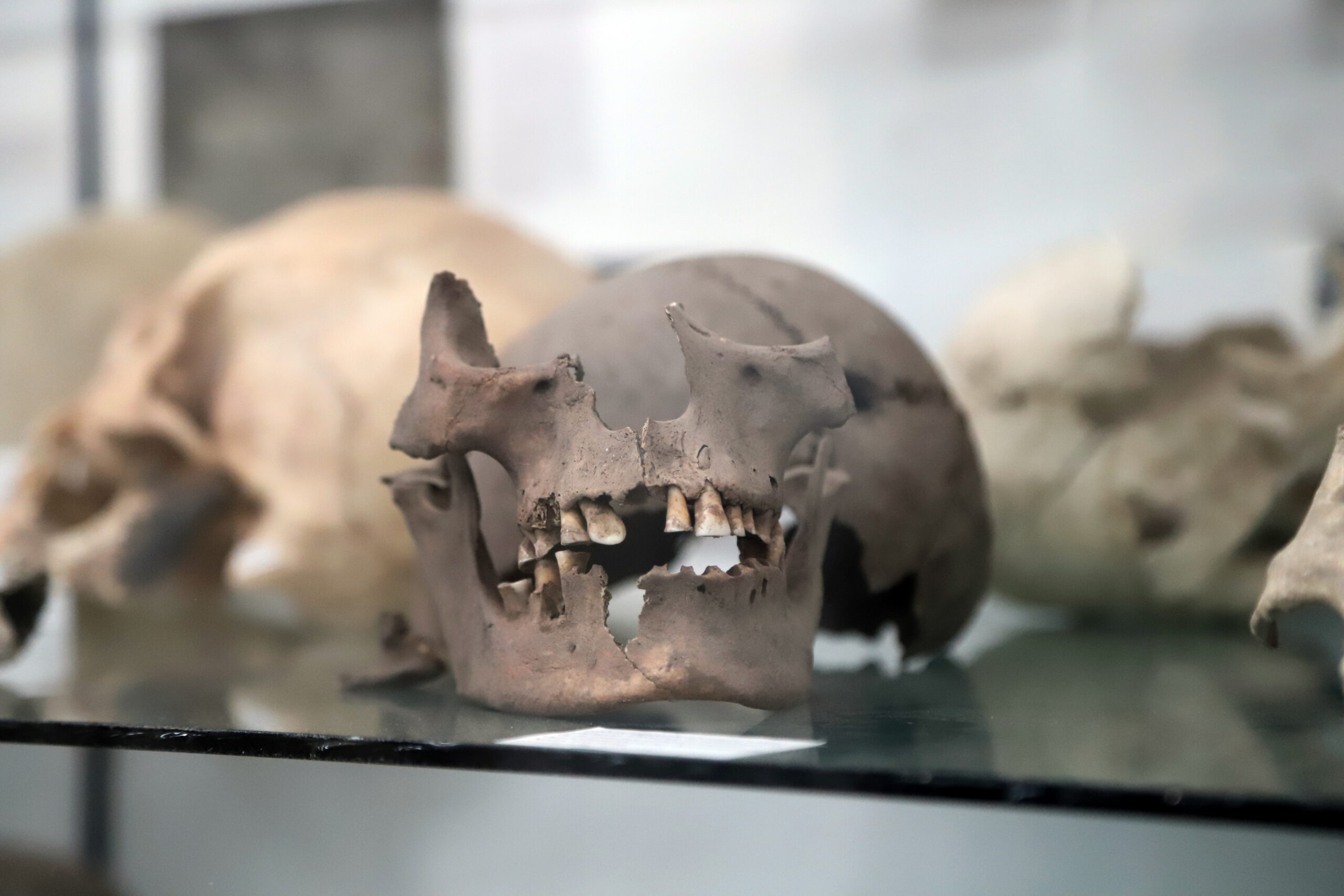
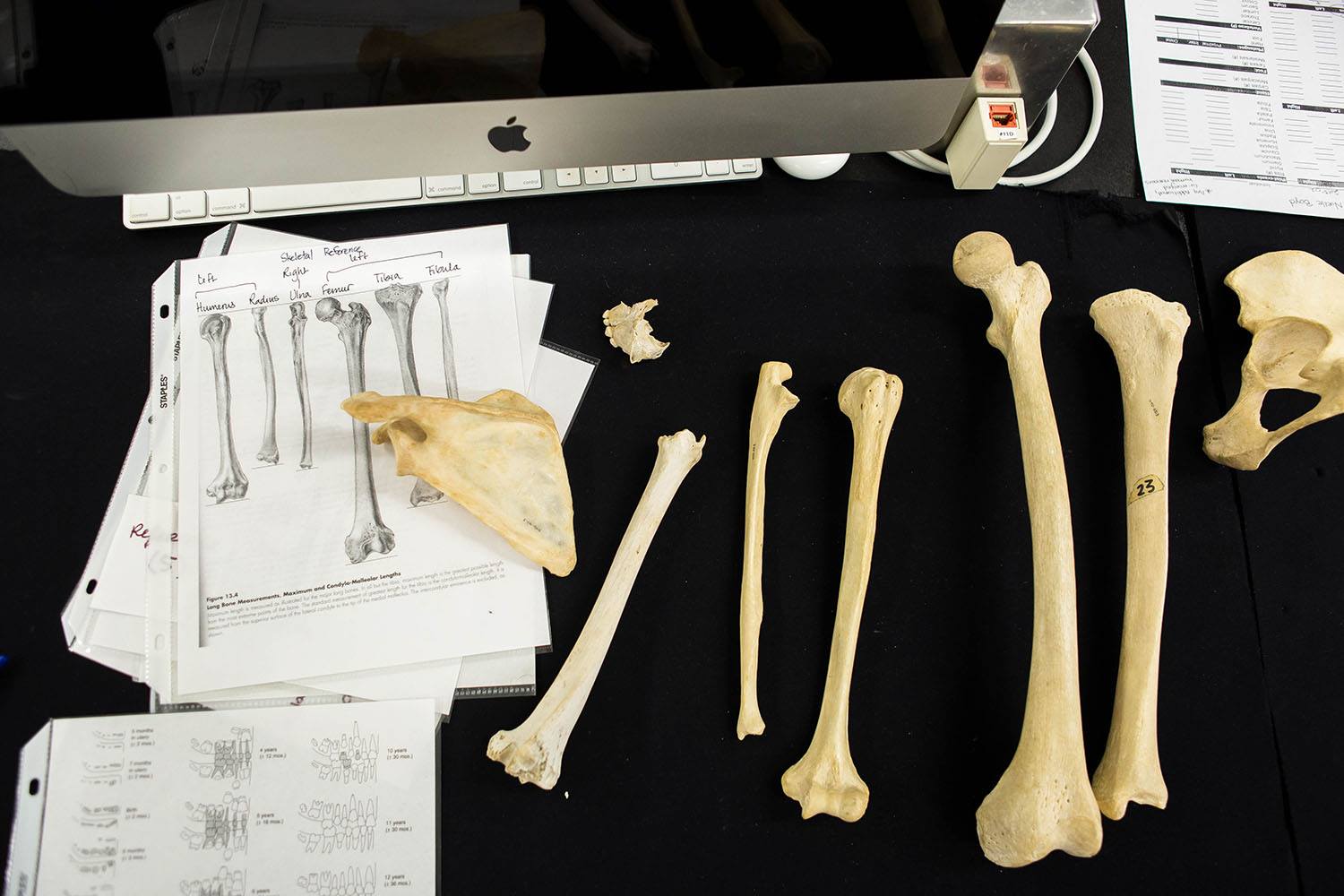
Bones can reveal a lot about a person after death—from their age and sex to what diseases they might have had. Students in Dr. Thomas Snyder’s Introduction to Forensic Anthropology course learn all about how to decipher the clues we leave behind using the science of the human skeleton.
“My most important takeaway from the course is that something as seemingly simple and boring as a singular human bone can provide so much insight into a person’s life,” shares Michael Manges, a senior at NYU Stern. The course fulfilled a core requirement while counting toward his Anthropology minor. It quickly became one of his favorites.
Beyond skeletal analysis, students examine the ethical, historical, and methodological foundations of forensic anthropology. They also learn about the field’s role in the legal system. “We focus on understanding the science and legalities of how we can apply anthropology to medical-legal contexts, like missing persons and crime scenes,” says Professor Snyder.
What You’ll Learn
Growing up in western Pennsylvania, Michael and his friends often roamed the woods, frequently stumbling upon animal bones. At the time, he couldn’t identify them. Now, after taking Introduction to Forensic Anthropology, he can. “It’s very cool that the course exposed me to the knowledge and lexicon required to identify these bones so many years later,” he says.
Some class sessions feature guest lecturers like anthropologist Justin Goldstein, who received a master’s from NYU in Human Skeletal Biology. He now works as a forensic anthropologist for New York City’s Office of Chief Medical Examiner. “He talked a lot about the specific hands-on work that he does, which students really enjoyed,” says Professor Snyder.
The course also debunks true crime myths, showing students that forensic anthropology is much more complex than what they may have picked up from TV shows or podcasts. “You learn a lot about how shows like CSI and Bones sometimes stretch the truth in interesting ways,” says Professor Snyder. “We very rarely have smoking guns. For example, bite mark analysis is much less of a smoking gun than you might be led to believe from TV or even modern courtrooms.”
A Class for Every Major
Students in Introduction to Forensic Anthropology come from every corner of NYU, from theatre and business to biology and engineering. “What’s really fun about anthropology is that pretty much everyone has an interest in what it means to be human,” says Professor Snyder.
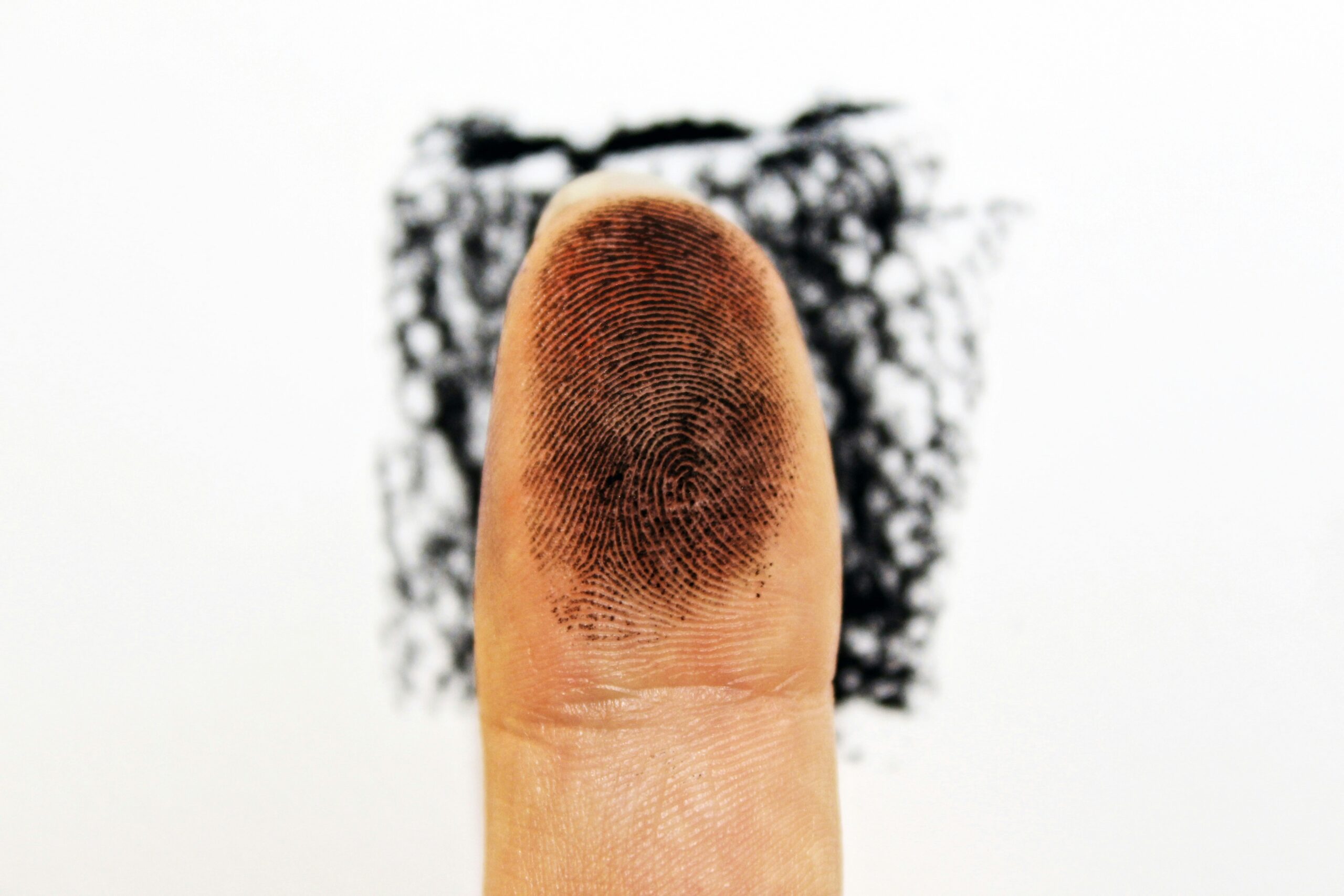
As a core course, it’s open to students across the University. If you’re interested in science, the class’s discussions of chemistry, genomics, and fingerprinting might catch your attention. There’s also plenty for students more inclined towards the humanities, business, or law. “We talk about history, legalities, and the ways in which forensic anthropology has been really important in things like the recovery of victims after 9/11,” Professor Snyder explains. “There’s a little something for everyone, and everyone’s horizons will be expanded.”
“I would highly recommend this course. Dr. Snyder kept the lectures interesting and easily digestible even when the content was challenging,” shares Michael.
From the Field to the Classroom
Professor Snyder isn’t just teaching these concepts—he actively engages with them through real-world research. He recently spent six weeks in Peru, studying what human remains there can tell us about climate change.
The remains he examined date to the Medieval Climate Anomaly, a period of climate shifts that resemble many of those occurring today. “My goal is to understand how humans have responded to climate change in really extreme environments in the past to try to gain a sense of how humans will respond going forward,” he says.
He’ll take his findings back to NYU, sharing them with students in his Introduction to Bioarchaeology course.
Explore Anthropology at NYU
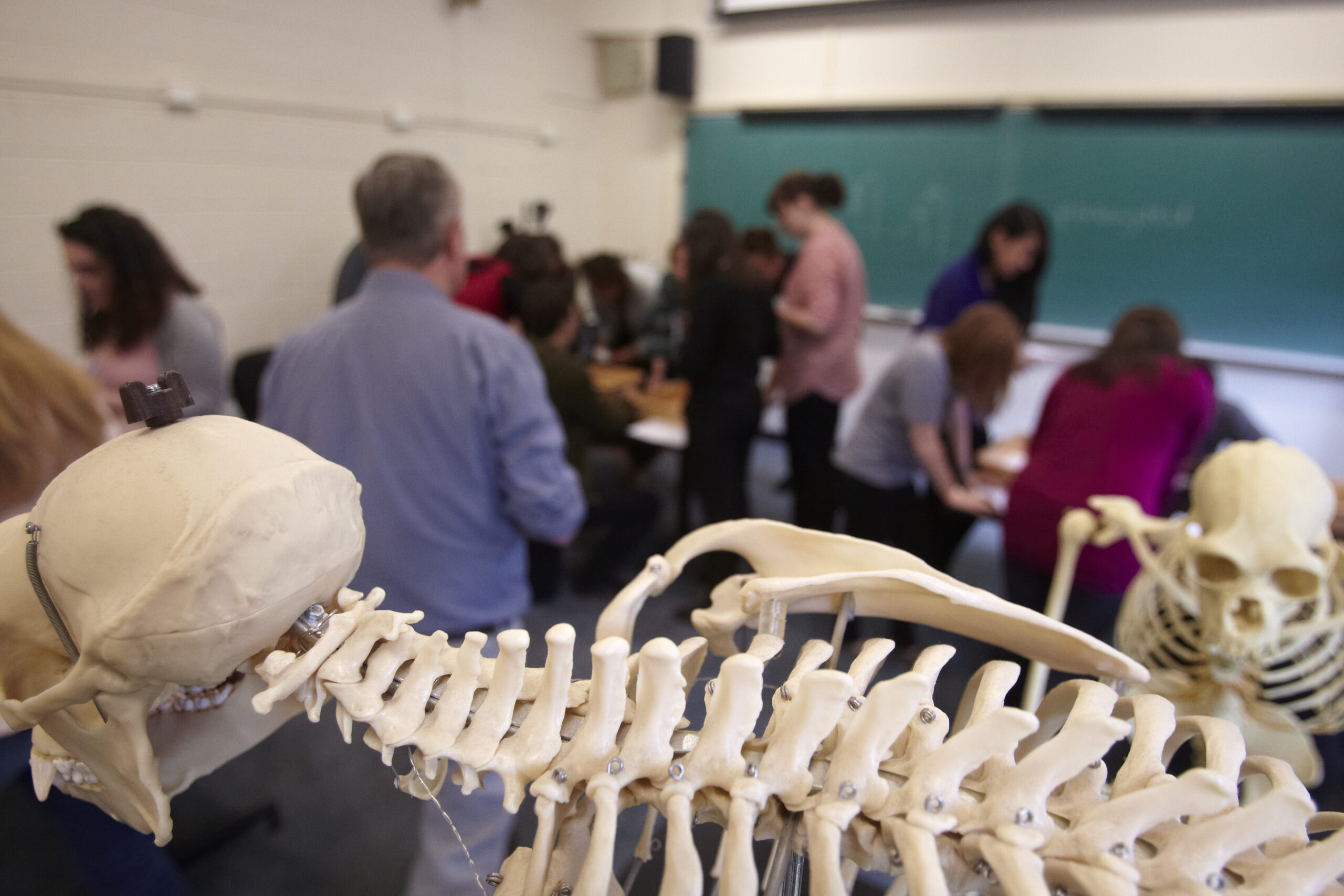
Students inspired by Introduction to Forensic Anthropology may want to explore an Anthropology major. Anthropology examines the biological and cultural dimensions of humanity, asking big questions about our origins, societies, languages, and beliefs. NYU’s Department of Anthropology is one of the most renowned in the country. Here, you can study all four subfields of anthropology—archaeology, biological anthropology, cultural anthropology, and linguistic anthropology. What’s more, you can take advantage of NYU’s partnerships with museums, zoos, and research institutions across New York City.
Related
Understanding Humanity: Majoring in Anthropology at NYU
Anthropology at NYU prepares students to answer the key questions of humanity’s past and development through diverse courses and fieldwork.
Faculty Mentorship at NYU Takes Students Further
Since his first semester, NYU Steinhardt junior Pei Lin Lu has gained invaluable faculty mentorship from Professor Catherine Milne.

The Research Powerhouse: Your Big Ideas Belong at NYU
Discover why NYU is a global research powerhouse, where students of all levels turn their big ideas into real-world impact.