Published June 24, 2026
The Research Powerhouse: Your Big Ideas Belong at NYU

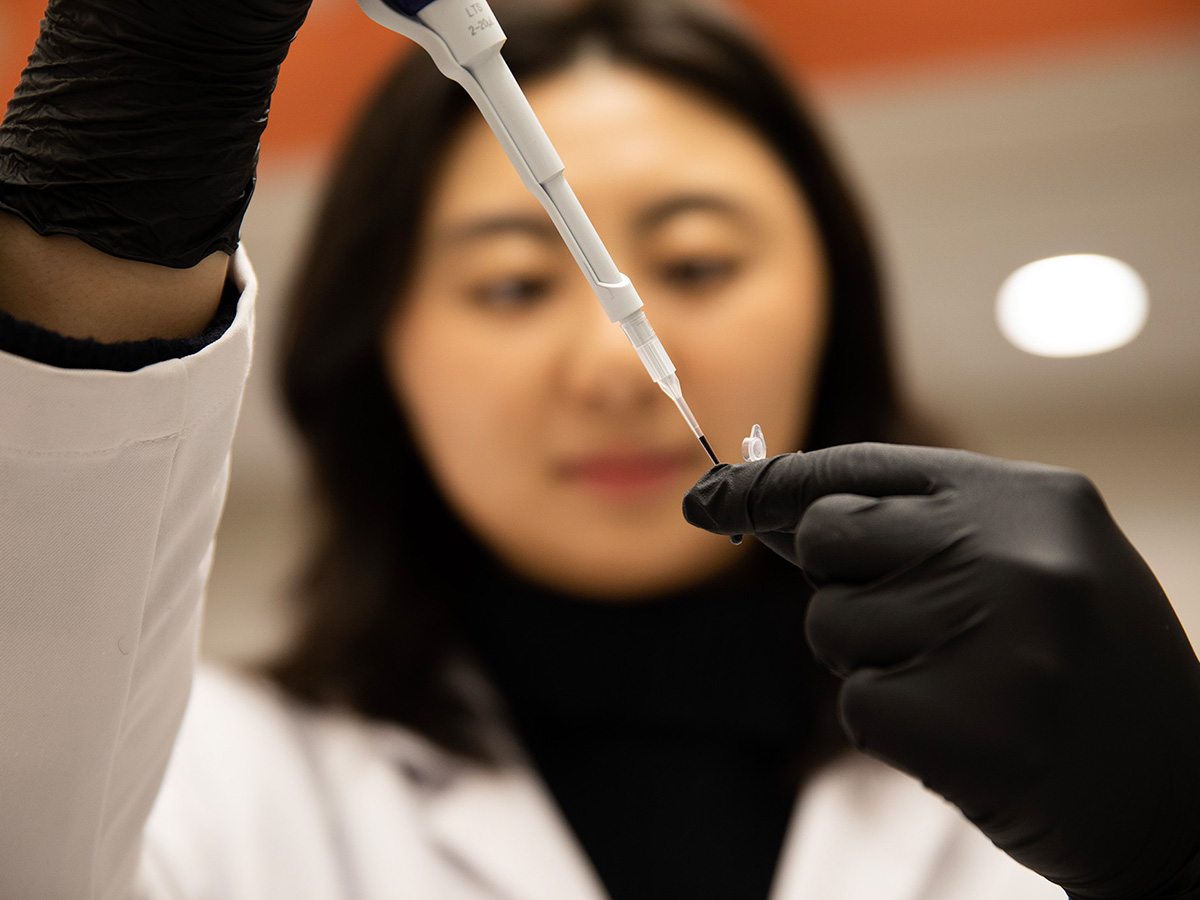
What do you envision when you hear the phrase research powerhouse? Just think NYU. As the largest independent research university in the United States, NYU offers boundless opportunities to explore, discover, and make an impact. And that’s not just a slogan—it’s a fact. Recently, the global analytics firm Clarivate named NYU a “research powerhouse,” placing the University among the top 70 institutions in the world. This ranking recognizes NYU for having a high concentration of the world’s most-cited researchers.
Across biology, engineering, math, medicine, and social sciences, NYU scholars are writing the papers that everyone else is reading. But what does that mean for you? Here, it means you’re being taught by the people defining the future of their fields. And the best part is, they want you to help them do it.
NYU’s New Research Frontiers
NYU has recently launched several high-tech initiatives that feel more like science fiction than a standard college curriculum. Here’s how we’re bolstering the future of science and technology:
- Computing at the Speed of Light: NYU recently unveiled Torch, the most powerful supercomputer in New York State. Whether you’re interested in biotechnology or AI, you have access to a machine that can do approximately 11 quadrillion calculations per second. Plus, it’s sustainable, thanks to its liquid cooling system.
- The Quantum Leap: Through the new Quantum Institute, researchers are unlocking the mysteries of quantum information science. This kind of tech will redefine everything from communications security to ultraprecise sensors.
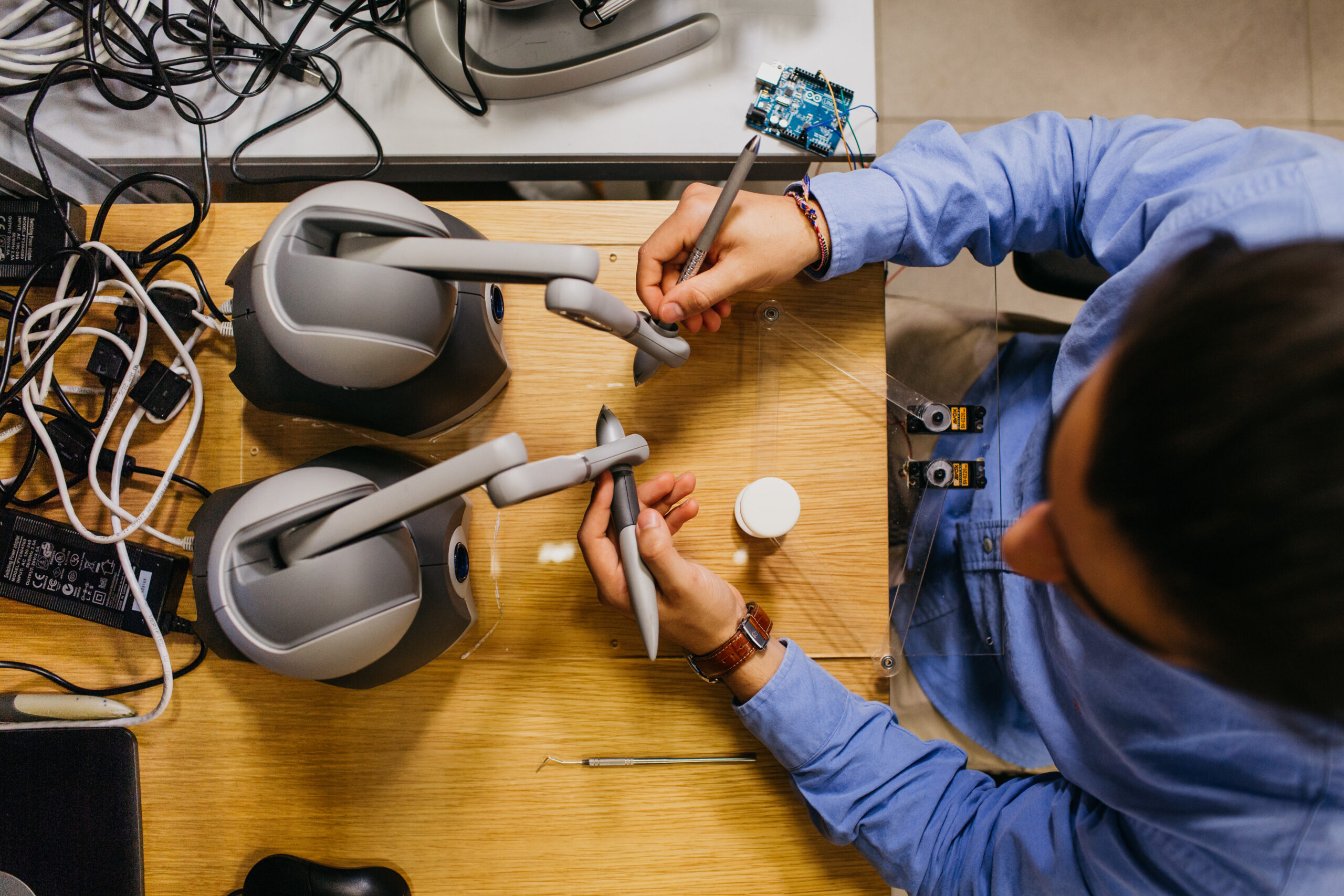
- Robotics in the Real World: The new Center for Robotics and Embodied Intelligence develops machines that can sense and navigate complex environments, from disaster zones to the operating room.
- Engineering for Health: The Institute for Engineering Health is where biology and medicine meet engineering. Integrating technological innovation with medical expertise, NYU is advancing the way we discover, prevent, and treat disease.
Solving for a Better World
At NYU, research isn’t just for PhD students and professors. It’s for every student, in every school, from the first semester. And the university community doesn’t just study problems—they solve them. Here, students are driven by the common goal of making a real-world impact.
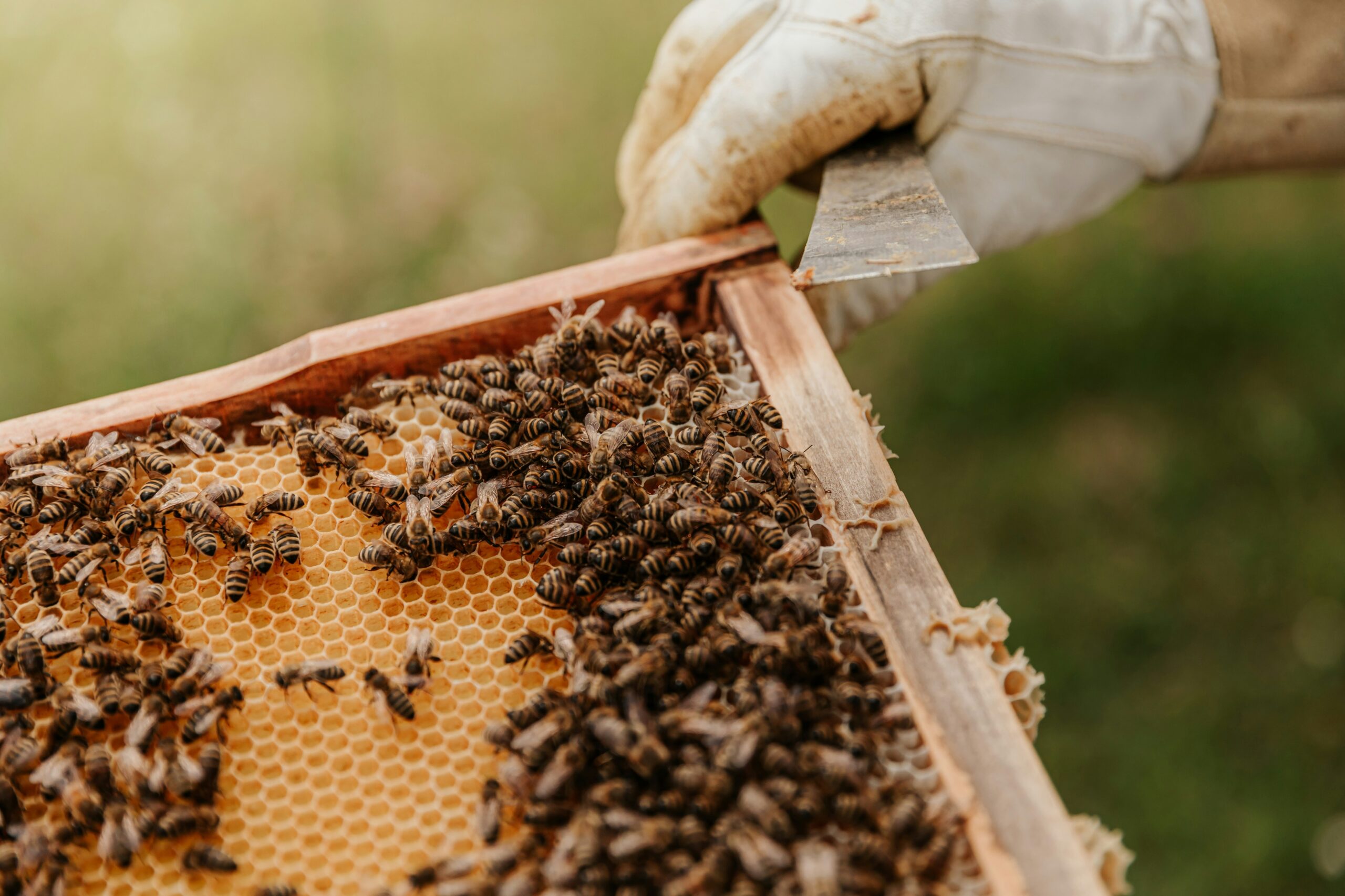
Every day, our students are creating a more accessible and sustainable future through their research. For instance, Shira Linsk, who studied biology and environmental studies, turned a love of insects into a research project on how native pollinators respond to urban habitat changes. She saw an opportunity for important research and didn’t wait for graduation to get started.
That same drive to help others extends to human health and well-being. Take Maame Adwoa Sey, a Liberal Studies student who examined how different African nations utilize foreign aid to build more resilient health systems.
Combining data, passion, and NYU’s resources, these students prove that the best research helps people (and insects!) live better lives.
Research Without Borders
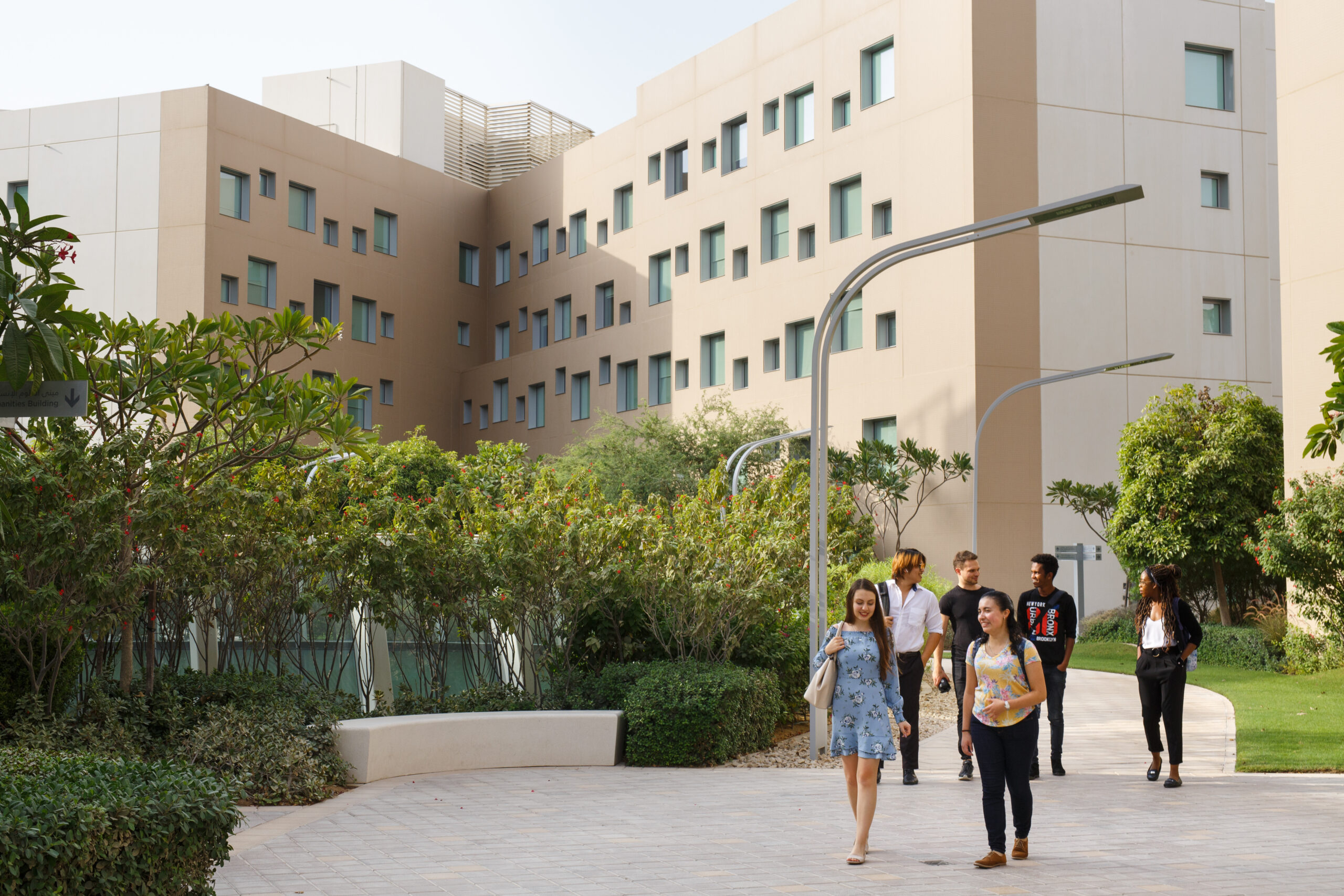
Your research might start in a New York City classroom, but it could also take place across the globe. Thousands of miles away, students at NYU Abu Dhabi are sparking global change by tackling international policy and sustainability. Here, Economics majors Munira Abdul-Nasir and Sebrin Abdu and Computer Science major Lincoln Ahiadu focused their work on blockchain technology and its potential to transform rural economies in Africa.
Additionally, many students find that the best place to learn is on site. In a course focused on place-based research, students traveled to Naples, Italy, to study volcanic activity up close.
Furthermore, research at NYU doesn’t only cross geographic boundaries—it crosses disciplines. Just ask Daelah Nicholas, a premed student who blends anatomy and art to discover new ways of visualizing the human body. Majoring in Neural Science with a minor in Psychology, Daelah creates art for various medical journals while conducting research in two labs.
Engineering Success at Tandon
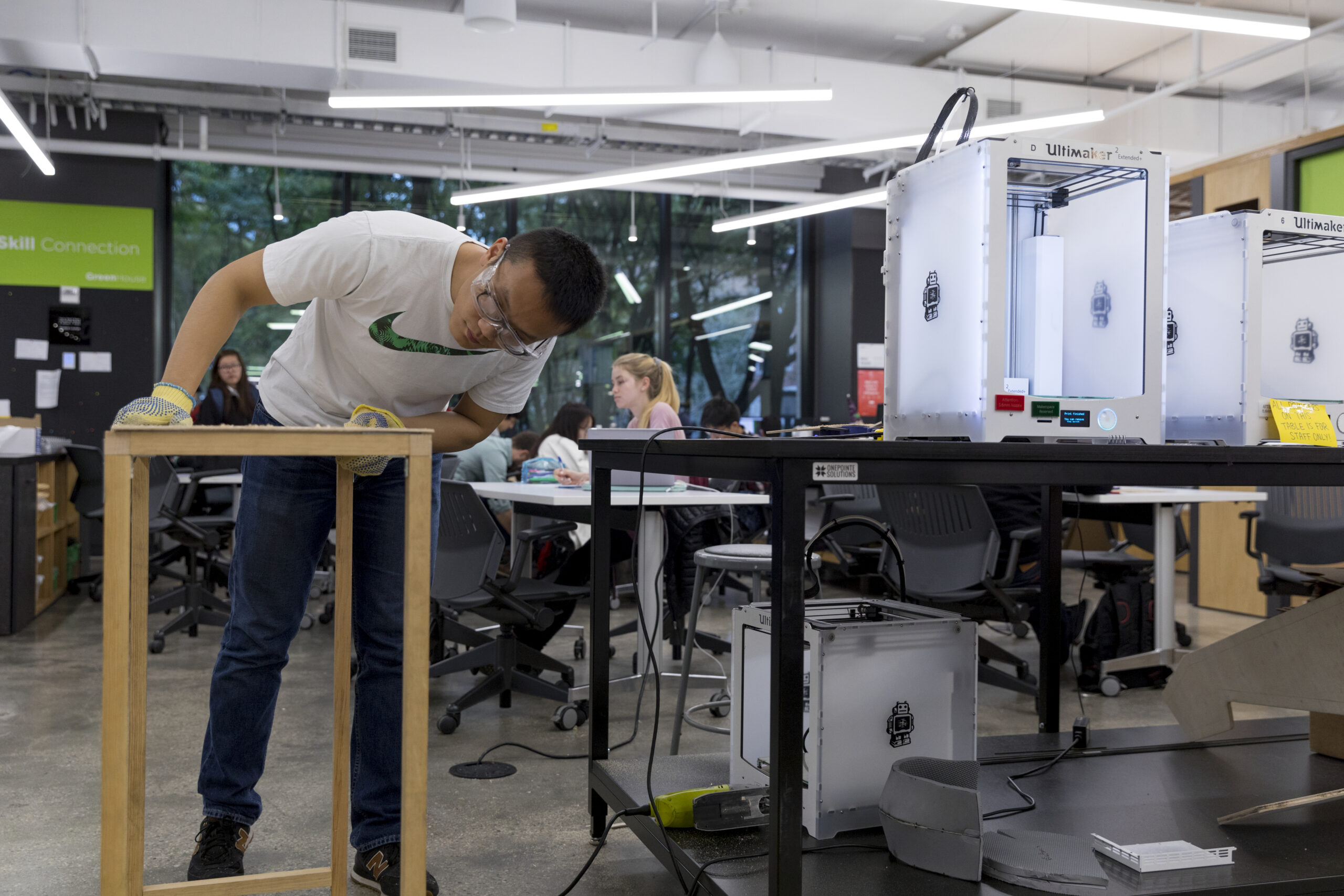
At the NYU Tandon School of Engineering, first-year students don’t just learn engineering, they live it. From your first semester, you are encouraged to trade the textbook for the lab.
The Introduction to Engineering course lets you start from scratch, turning ideas into working prototypes. This early exposure to research is a core part of the Tandon experience, which prioritizes practical learning from day one.
Recently, four first-year students—Weier Bao, Kevin Chen, Adria Farha, and Amanda Tao—won Tandon’s prestigious Gunter Georgi Award. Out of 100 competing teams, these students stood out for their creativity and problem-solving in designing a robotic arm.

The Resources You Need
So, how does all of this happen? NYU provides the resources, network, and inspiration to back your curiosity. One key source of support is the Dean’s Undergraduate Research Fund (DURF). To date, DURF has awarded more than $4.5 million to over 5,500 student projects. The University invests in research because the work cannot wait. These seven enterprising undergraduates will tell you the same. They saw problems—like health disparities and environmental crises—and used NYU’s resources to find answers.
Ultimately, whether you want to build a better robot or a better health-care system, NYU is the research powerhouse that can make it happen. The only question is: What will you discover?
Related
At NYU, Research Is for Everyone (Part One)
Explore NYU’s extensive research network where you have opportunities to advance your field—and the world—with your research.
I Want to Do Research at NYU! But Where Do I Even Begin?
There are plenty of research opportunities at NYU. Curious how to get involved? Read on!

Research at NYU, Not Just for STEM Majors
Humanities and social sciences students can conduct research too!