Published June 16, 2026
What to Expect from NYU’s Preveterinary Track

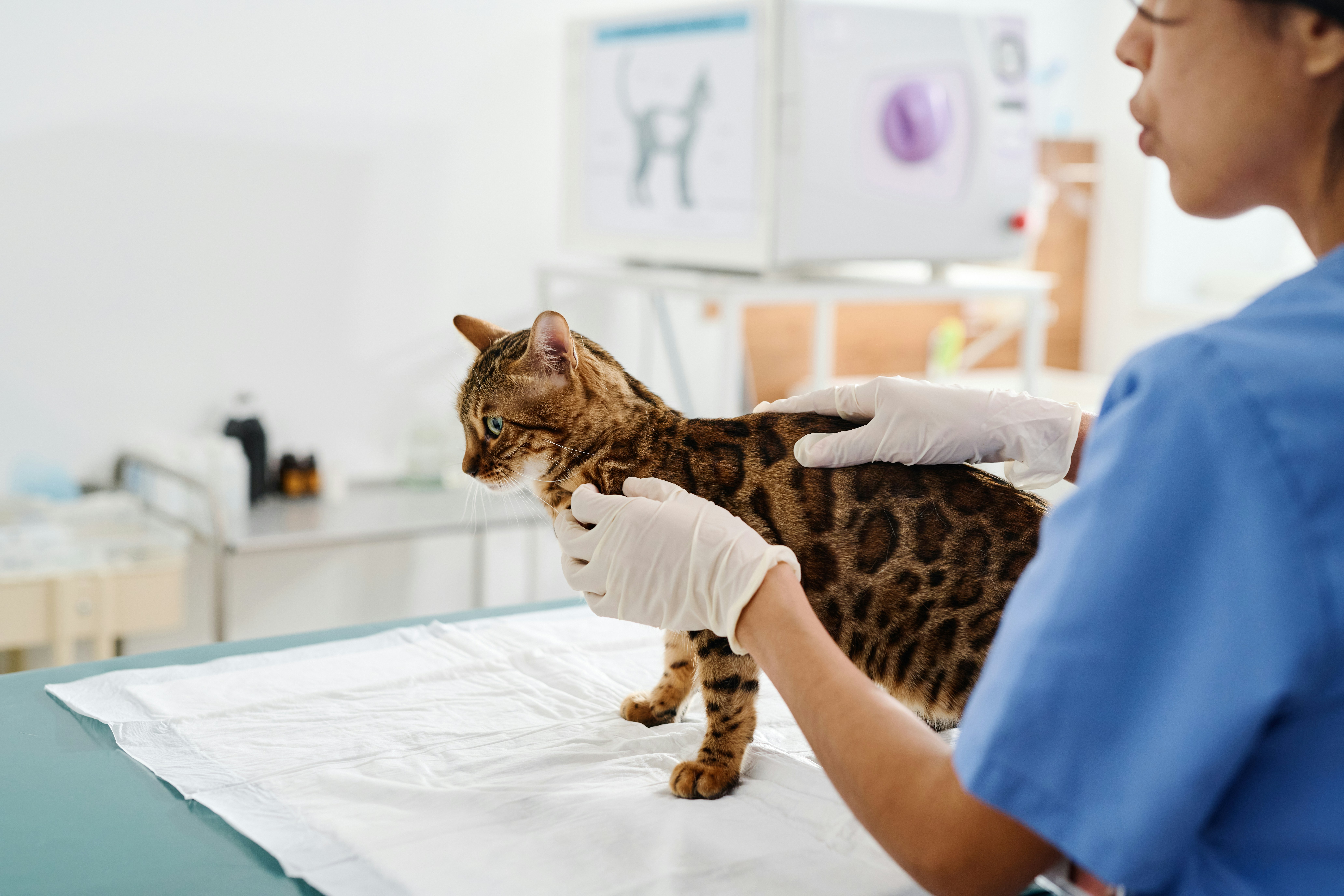
As a future veterinarian, you’re passionate about animals and aspire to make a difference in the world. As a result, you’re searching for a college that will not only prepare you academically for veterinary school but also help you build real-world experience. A strong sense of community, some big-city adventure, and a semester abroad would be great, too! If this sounds like you, NYU could be your perfect fit.
In addition to a major, NYU’s aspiring veterinarians follow the preveterinary track. This program of study prepares you for veterinary school by ensuring you meet all the necessary prerequisites. From academics and field experience to advising and community-building, read on for your ultimate guide to the preveterinary track at NYU.
The NYU Preveterinary Curriculum
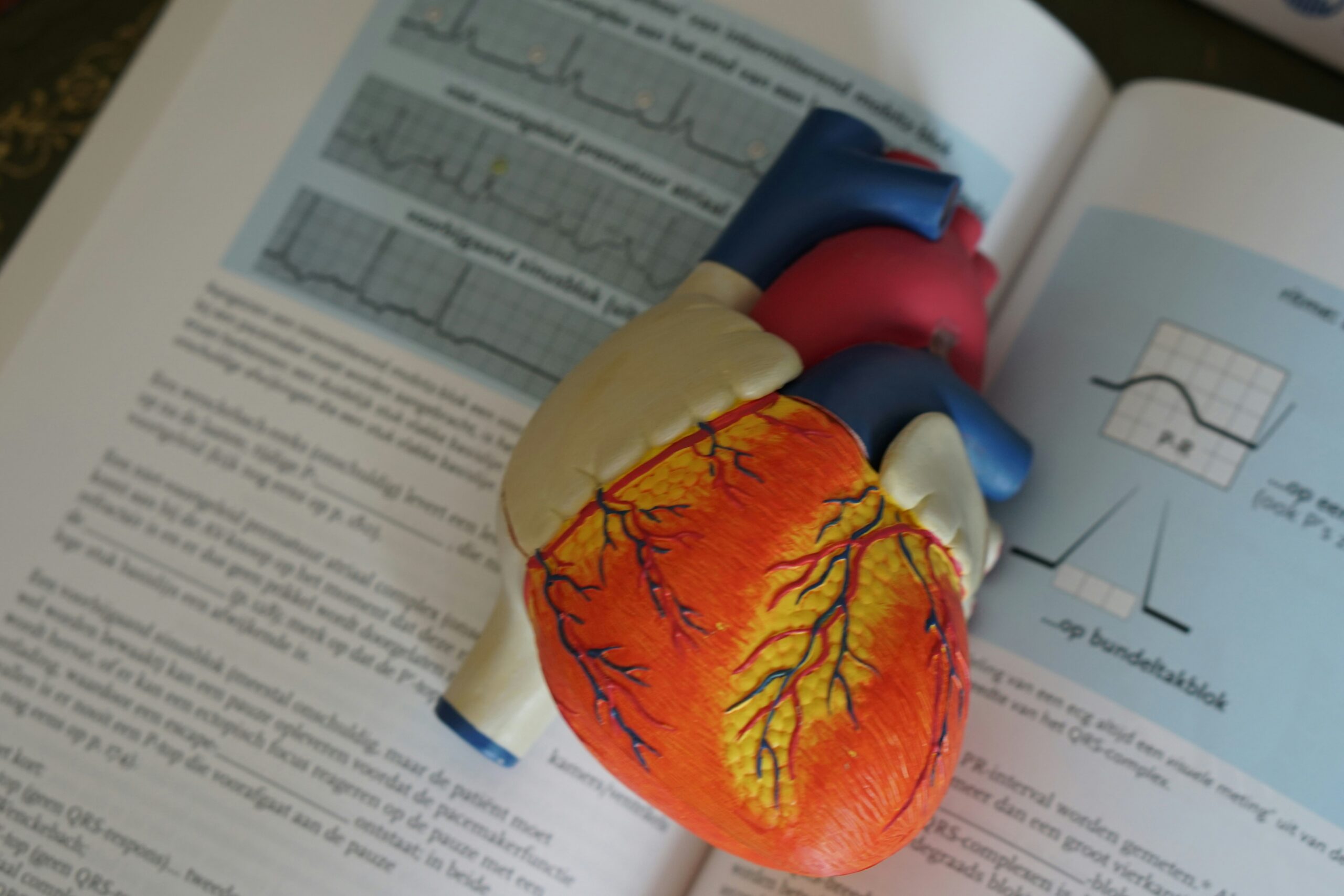
Veterinary schools have a lot of prerequisites, so NYU’s prehealth advisers encourage students to consider a Biology major at the College of Arts and Science (CAS). This ensures you take important courses such as Vertebrate Anatomy, Physiology, and Microbiology. This doesn’t mean you can’t explore other areas that interest you—with planning, you can still declare a minor. For instance, preveterinary sophomore Erin Finnegan is dual-minoring in Animal Studies and Public Policy.
NYU’s academic advisers are an excellent resource for course planning and, when the time comes, filling out veterinary school applications. “My adviser has been amazing, offering course-planning guidance, meeting with me often, and helping me make the most of my elective credits to explore all my options at NYU,” Erin shares. She also uses the CAS Preprofessional Advising Center to identify extracurriculars and internships.
Because so many of NYU’s global sites offer required science courses, students on the preveterinary track are encouraged to spend a semester studying away. NYU London, NYU Sydney, NYU Shanghai, and NYU Abu Dhabi are all great options. Mia Loran, a Biology major on the preveterinary track, studied away in London during her sophomore spring. “I always knew I wanted to travel abroad,” she says. “NYU London had all of my classes. It’s been one of the best experiences I’ve had in college.”
Access to Real-World Experience
As a preveterinary student, gaining field experience is just as important as your coursework. Kristy Lamb, assistant dean of preprofessional advising, encourages students on the preveterinary track to explore a wide range of potential paths through informational interviews, shadowing, and volunteering. “I want students to know just how rich and varied the career prospects are for veterinarians,” she says. Beyond small animal medicine, you may decide to work with zoo animals, treat large farm animals, or even pursue research.
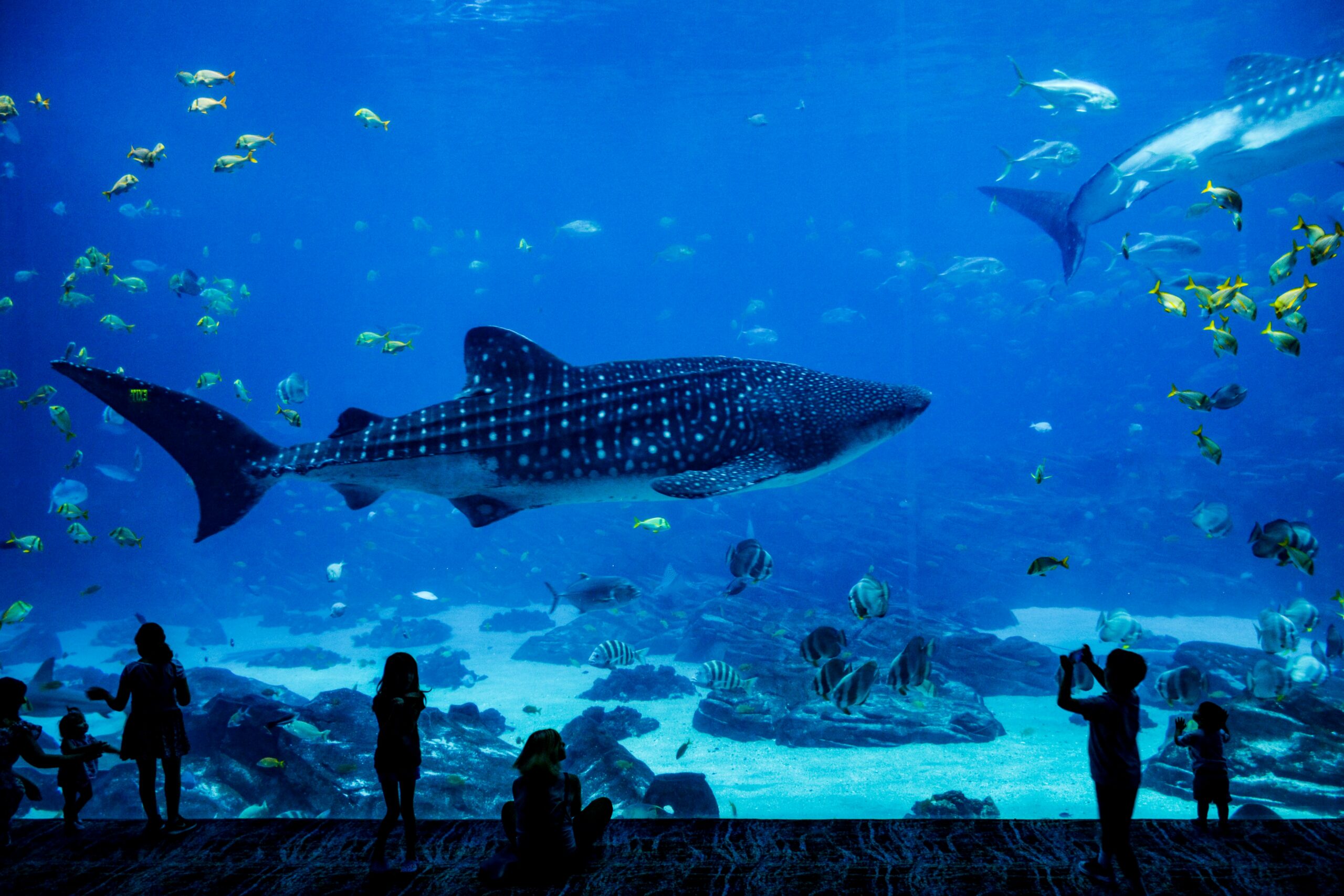
NYU students intern and volunteer with world-renowned organizations like the Central Park Zoo, the Bronx Zoo, and the New York Aquarium. Many volunteer at animal rescues, including some just a few minutes from campus. A steady stream of opportunities for field experience can be found in The Medical Record, a weekly newsletter for CAS prehealth and preveterinary students.
Erin interned at two veterinary offices during the summer, observing surgeries, assisting with preparation and recovery, and monitoring patient vitals. She also recently participated in an internship program at a chimpanzee sanctuary in Georgia. “I shadowed the veterinarian and behaviorist and learned about all of the elements that go into caring for primates that once lived in laboratories,” she shares.
Mia spent last summer in Peru, interning with VAW Global Health Alliances. “I joined a group from Cornell, and we gained knowledge of the skills required in veterinary medicine,” she explains. She helped local communities provide care for their pets and even got to observe surgeries. “It was such an amazing experience and made me more passionate about my career path.”

A Built-In Preveterinary Community
The preveterinary community at NYU is small but tight-knit. Most students join the Preveterinary Society, a student group that provides connection, internship opportunities, and help with applications. It also offers memorable outings, such as a recent visit to a cat cafe.
“We try to make our events as fun and helpful as we can. It’s a great place to find a preveterinary community,” says Mia, who cochairs the group. Next semester, she plans to invite guest speakers to talk about their career paths and offer advice. “I want to help students get a head start on figuring out what they want to do,” she explains.
When deciding where to attend college and launch her veterinary career, Mia chose NYU because of the instant sense of community she felt. “From the moment I stepped onto campus, the student culture made a strong and lasting impression,” she says. NYU’s integration into the heart of the city sealed the deal. “I feel motivated being surrounded by ambition and activity. NYU’s location offers exactly that kind of environment, making it feel like a place where I could grow as a future veterinarian.”
Related

Prehealth at NYU: It’s Not a Major—It’s a Path
You can stay on track for a career in health and get ready to apply to medical school while still holding onto your academic flexibility.
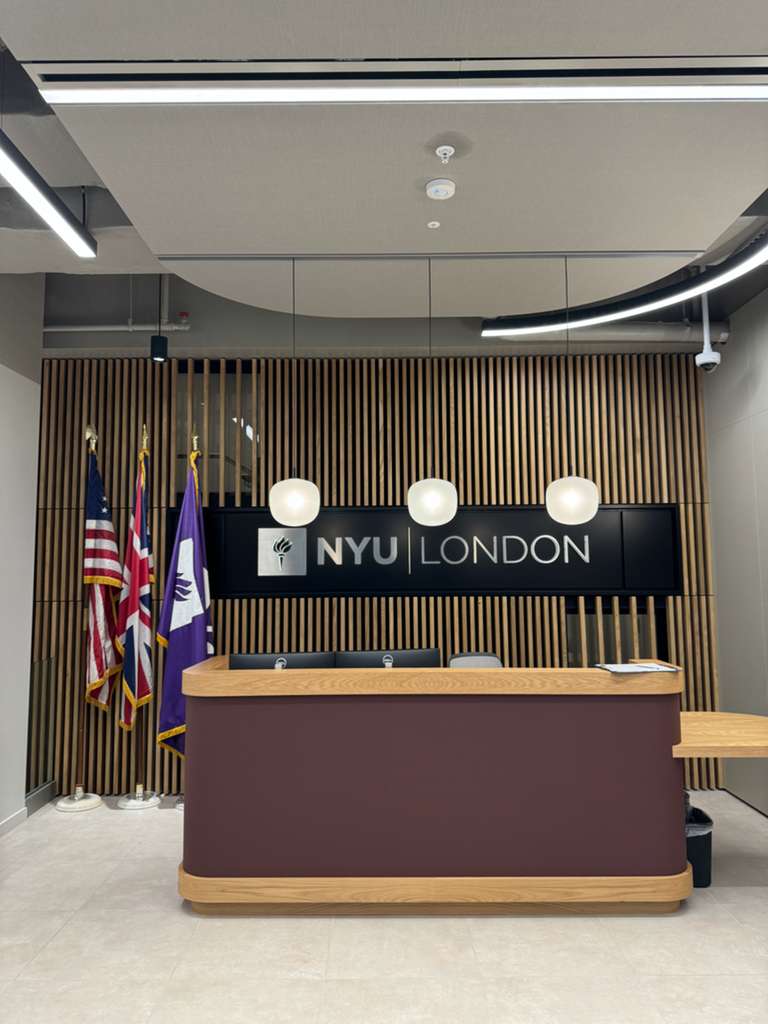
Life, Learning, and London: My Spring at NYU London
Explore the unique opportunities at NYU London, where education meets culture in a vibrant city.

Academic Advisers at NYU: Your Pathway to Success
NYU academic advisers offer students more than just advice, they offer a system of support and connection throughout college and beyond.