Published September 08, 2025
With NYU Tandon’s New Environmental Engineering Major, Ideas Meet Impact


As the world changes, so do the challenges we face. Climate change, the proliferation of forever chemicals, and spiraling energy usage all pose new risks to human health and the environment. As a result, meeting these challenges requires new ways of thinking. This fall, NYU Tandon School of Engineering launched a major designed to meet the moment: Environmental Engineering. Housed within Tandon’s Civil and Urban Engineering department, this new program will equip the next generation of engineers with the skills to confront our most pressing environmental issues—and the knowledge to solve them.
Why Tandon, Why NYU—and Why Now?
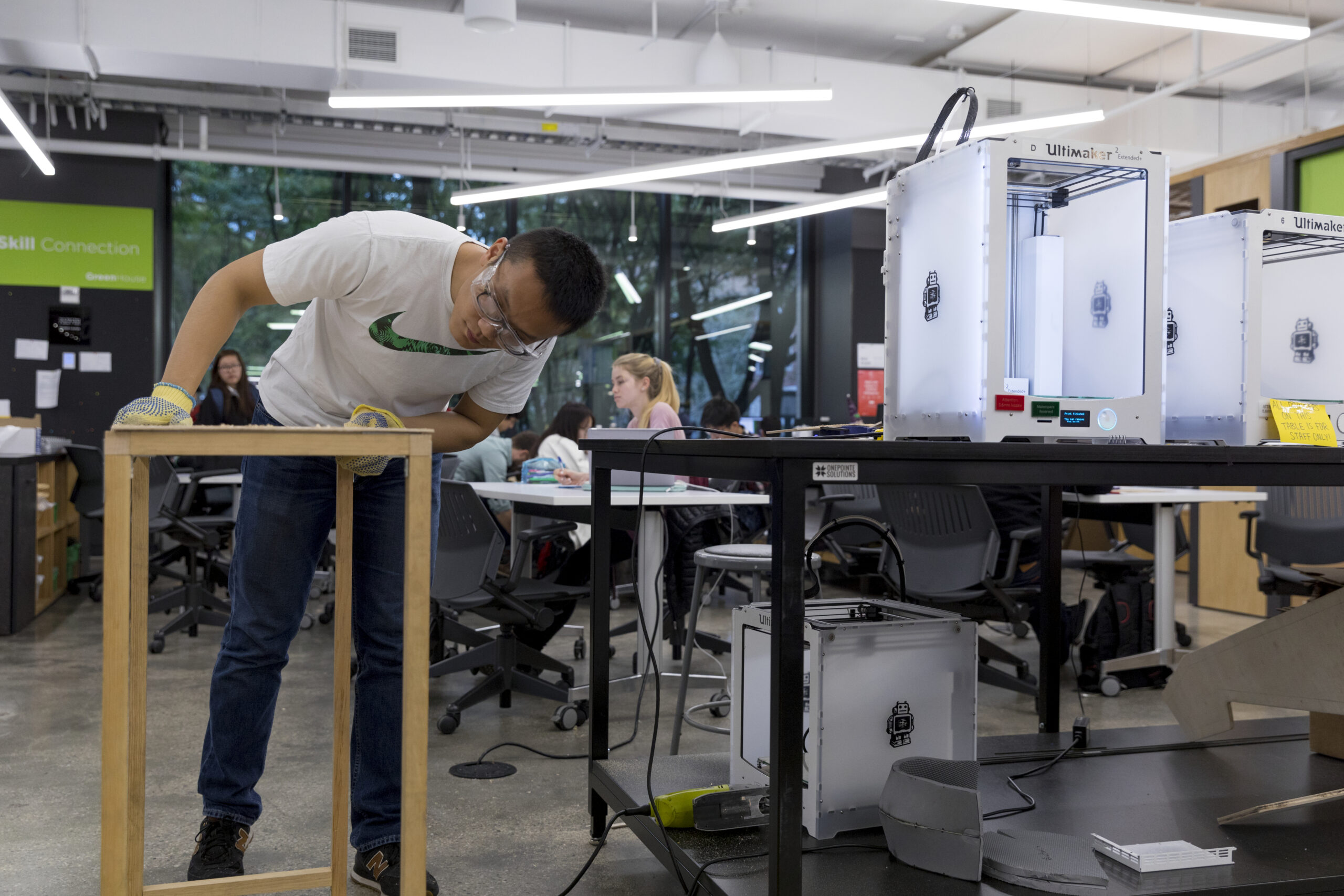
While Tandon already offers a minor in Environmental Engineering, the new degree puts the field front and center. For André Butler, industry professor of civil and urban engineering, the program’s setting is just as important as its curriculum. “There is no laboratory anywhere on the planet like New York City,” he says. With over 20 million people living in the metropolitan area, New York City offers unparalleled resources and direct access for students eager to address today’s most urgent issues.
Additionally, the degree marks the first opportunity at NYU for students to study traditional environmental engineering issues alongside contemporary challenges. For example, they will study both drinking water treatment and the growing need for climate resilience. What’s more, Andrea Silverman, institute associate professor of civil and urban engineering, highlights the program’s focus on environmental contaminants. Here, in a time of limited federal oversight, the emphasis remains firmly on solutions. “As environmental engineers, we’re interventionists,” she says. “We don’t just study problems—we think about solutions to try to fix them. And we are working to help a new generation think the same way.”
Core Courses, New Classes
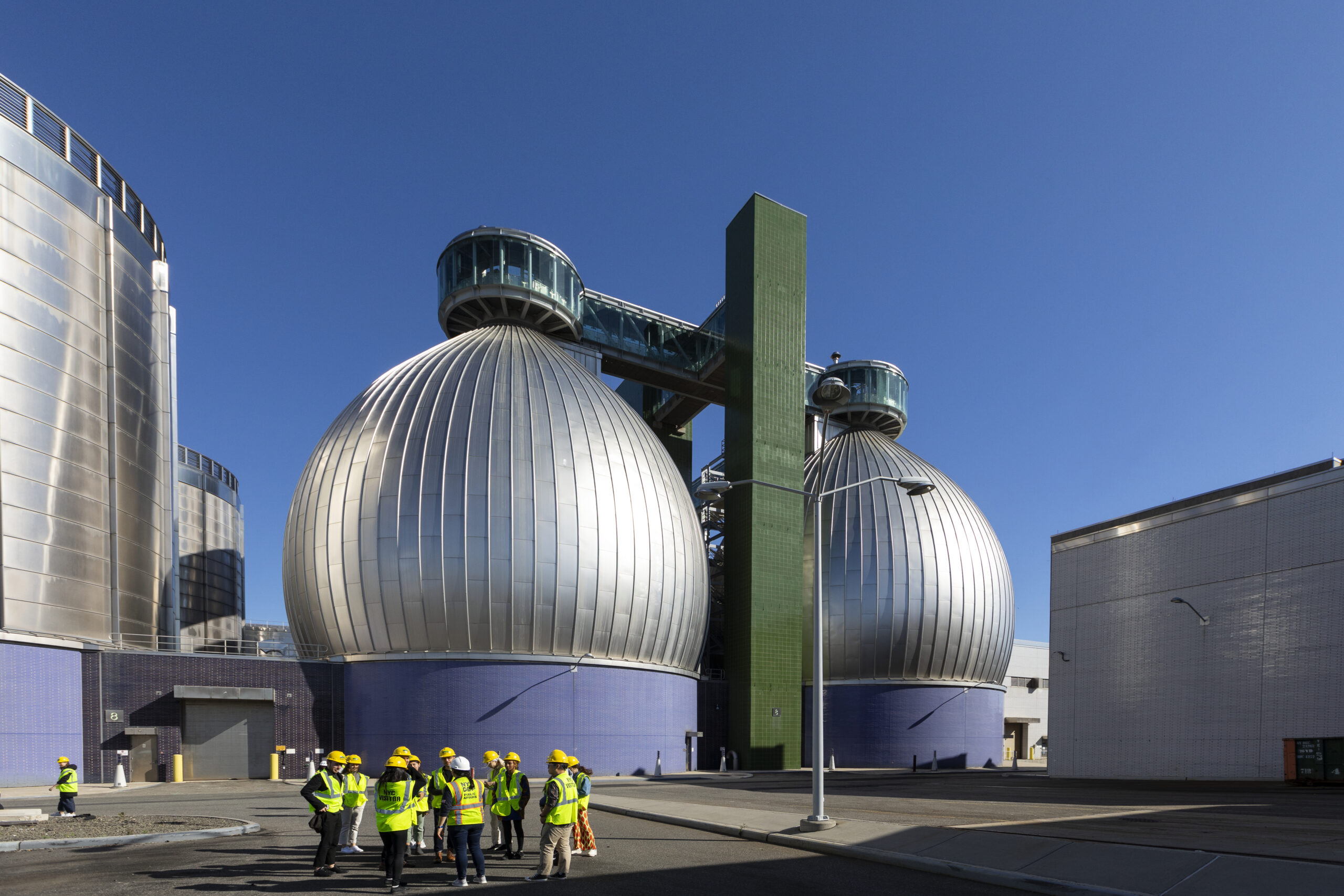
The new program combines engineering fundamentals with interdisciplinary exploration. Students complete 128 credits across core science and math courses, experiential labs, and a wide range of electives. Areas of study include air pollution control, hydrology and water resources, environmental chemistry and microbiology, and treatment technologies to prevent and mediate environmental contamination. Furthermore, students explore policy, sustainability, and the public health impacts of environmental challenges. Case studies are drawn from real-world issues such as water contamination and the energy demands of artificial intelligence.
Silverman and Butler highlight three brand-new course offerings designed for undergraduate and graduate students: Waste Management and Resource Recovery, Sustainable Systems Engineering, and Microbiology and Biological Treatment Processes. The program culminates in a senior design capstone and a lab-based design project that integrates engineering, policy, and sustainability.
Interdisciplinary Learning
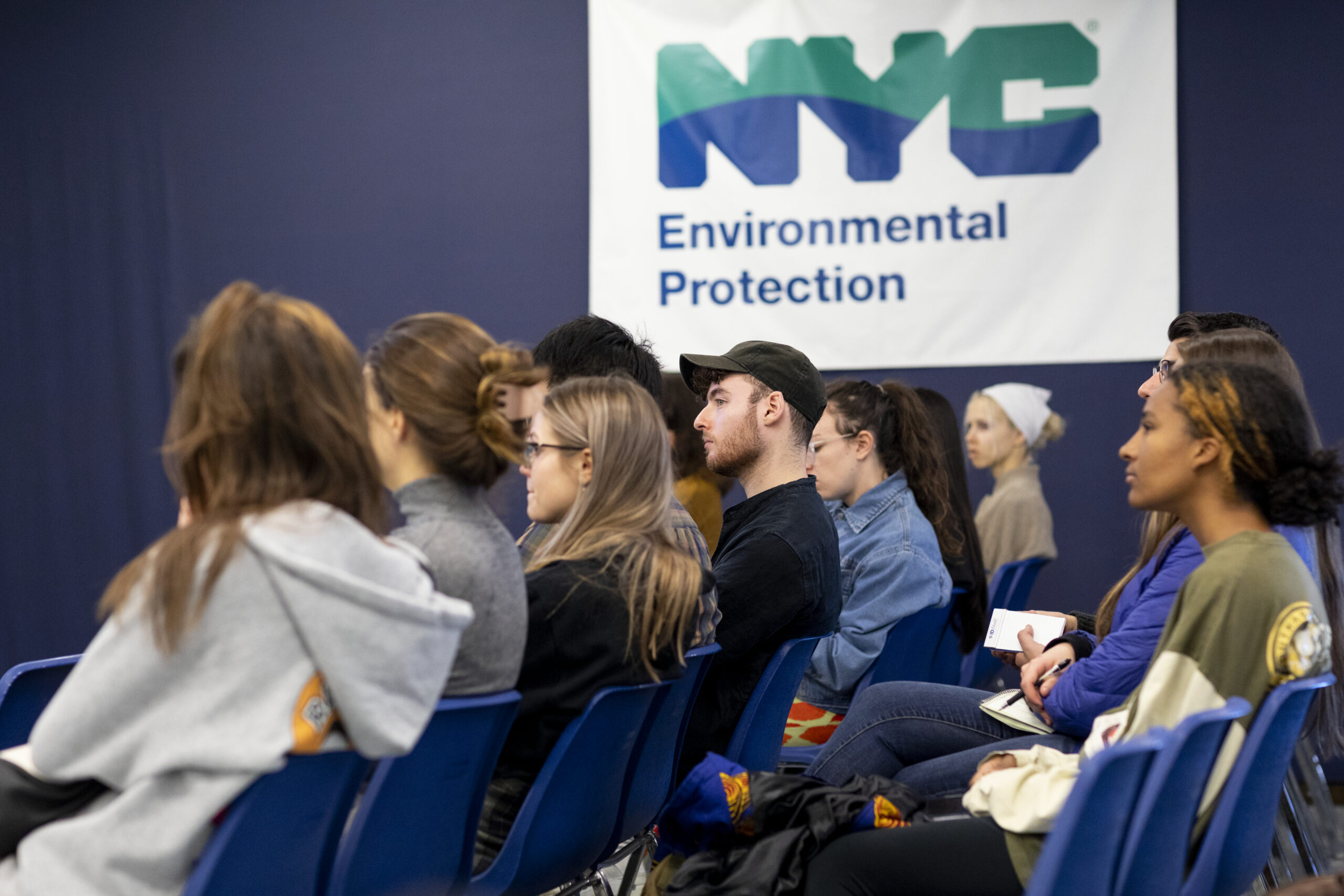
At its core, environmental engineering is about protecting both people and the planet. “We use concepts from the natural world and the physical sciences to protect human health and the environment,” Silverman explains. She emphasizes that “every field of engineering has a responsibility to the environment and to sustainability.”
Because of that responsibility, the program cultivates collaboration across disciplines. Environmental engineers not only address water quality or air pollution but also help other engineers understand the trade-offs and downstream effects of their engineering designs. This makes the major a natural fit for any student who is eager to apply their knowledge in pragmatic, real-world ways.
Looking Ahead
With a new program comes fresh opportunities for the University to adapt, incorporate current events, and respond to student interests. The new major also offers students access to internships and connections with leading companies, like the Urban Future Lab, which are engaged in environmental engineering initiatives. As Butler notes, the degree will not only prepare future professionals but also energize NYU faculty. “It will keep us all fresher and closer to student activities and lab activities,” he says. “It will only make us better as a faculty.”
And while the major is designed for students deeply invested in the environment, it also welcomes anyone who is curious and committed. “I’m excited to have a degree where we can officially have a cohort of excited, energetic young people who want to work on these issues,” Silverman says. With students, faculty, and researchers working together, the program promises new ideas, new collaborations, and, ultimately, a more resilient world.
Related
Training the Next Generation of Environmental Stewards
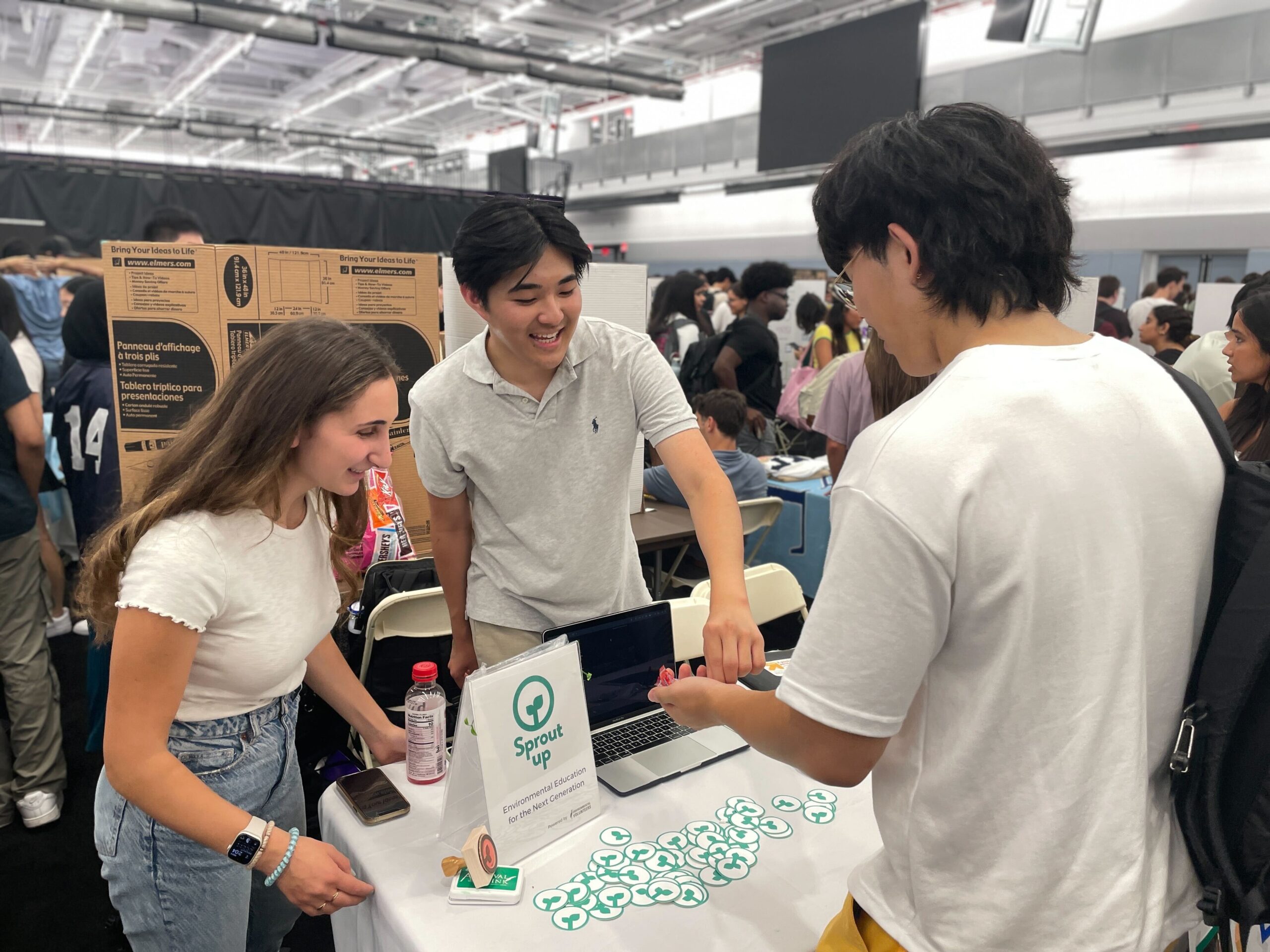
At NYU, Sprout Up student volunteers spend time in New York City classrooms where they introduce children to the impact of environmental studies.
Undergraduate Engineering Research: You Can Do It
Tandon offers rigorous practical engineering research opportunities for all undergraduates.
NYU Sustainability: On Campus, in the Classroom, and Beyond
NYU’s chief sustainability officer talks about what NYU and its students are doing to contribute to a sustainable future.