Published September 15, 2026
Medicine, Literature, Arts, Oh My: A Look into the Medical Humanities Minor
The TL;DR
- Want a minor that combines literature, arts, and healthcare?
- Here's a deeper look into the minor from someone who's completed it.
Many people like myself, came into NYU on the pre-med track but after college level general chemistry, you knew immediately it wasn’t for you anymore. Fear not! This underrated minor, Medical Humanities, keeps your ear to the medical world while combining history and social sciences!
What Exactly is the Medical Humanities Minor?
Medical Humanities is a minor offered through the English department in the College of Arts and Science. It interestingly overlaps narrative, social science, biology, and human history. There are multiple classes that focus directly on illness or considers birth and death as a synonymous concept. The field itself is emerging within healthcare to promote empathy and encourage self-reflection amongst medical students and practitioners. The broad range of classes explores different perspectives, and research of the human body and the way the mind tells those stories.
This minor requires completion of four courses (16 credits): two required courses and two chosen from a list of approved electives. The two main courses are Introduction to the Medical Humanities MHUM-UA 101 (offered in the fall), and Pandemics and Plagues MHUM-UA 102 (offered in the spring).
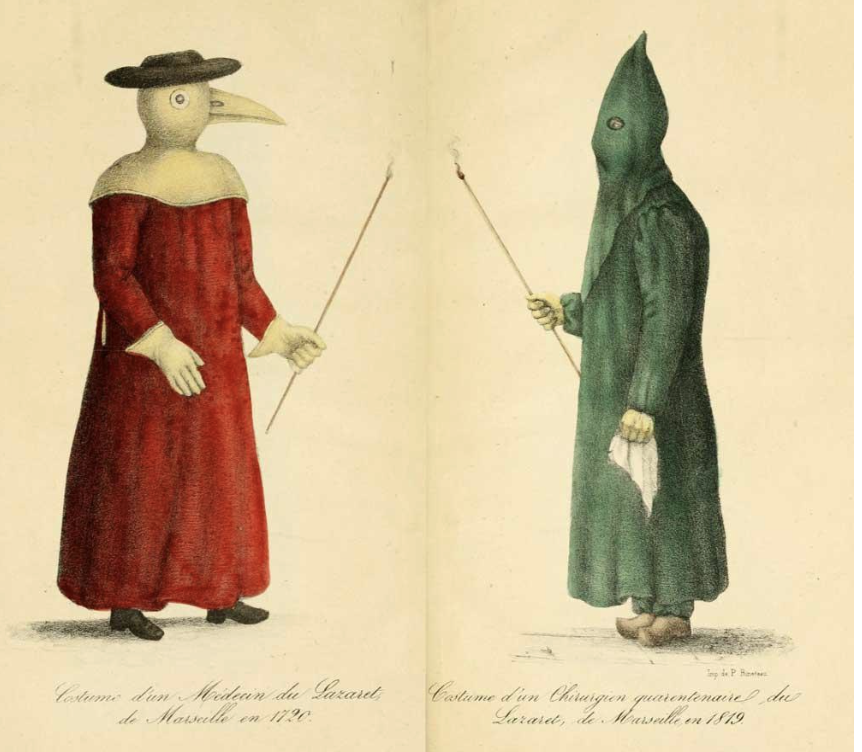
Pandemics and Plagues
My Presidential Honors Scholar professor introduced me to this minor my first semester at NYU. Professor Patrick Deer briefly mentioned a newer minor that he was a faculty advisor for. My ears perked up after I had spent that Monday morning in the Skirball Center for an introduction to chemistry course, contemplating if I really wanted to be a doctor of medicine. I immediately searched up “medical humanities nyu” and bookmarked the page so that I could do a deep dive later. By the time course registration rolled around, I found the minors’ section on Albert and signed up for “Pandemics and Plagues.”
In the spring term, I walked in at least seeing a familiar face, Professor Deer. In addition, there was Dr. Klass and professor Chad Hegelmeyer. I thought, this is the most amount of professors I’ve ever had in one room, but they flowed really well together. We looked at many narratives of pandemics such as the bubonic plague, tuberculosis, cholera, malaria, HIV/AIDS, and COVID-19. The stories were written by musicians, performers, artists, scientists, writers, healthcare workers, philosophers, playwrights, and every-day people. We would read the progression of pandemics and the impacts on responses, war, film, race, gender and class. Classes were mostly discussion based where the students shared their perspectives on the readings after the professors gave a mini history lesson. Biology was definitely not my favorite subject, however, it came in hand during the crash courses on the viruses and the cause of the pandemics.
Playwrights as Historical Bookmarks
As a theatre kid and history-lover at heart, I found myself loving the stories told through playwrights. For example, Eugene O’Neil’s Long Day’s Journey into Night (1956) and Larry Kramer’s The Normal Heart (1985). This is where the aspect of art comes into play for this minor. We discussed how each individual story tells us the mistakes of the past and the scientific improvements that had been made since.
Long Day’s Journey into Night showed the complex dynamic of a dysfunctional family that deals with resentment, blame, pain, and illness. O’Neil focused on tuberculosis and addiction as being two sides of the same coin. Each illness deeply affected the families ability to communicate with one another while they ignore each other’s cry for help. Books at this time reflected social hardships people and lack of medical knowledge.
The Normal Heart explored the HIV/AIDS pandemic by humanizing those who contracted the virus in contrast to the media’s take during the 80s. The epidemic was left in the hands of the queer community to fight for their health and voices to be heard. In class, we discussed how an illness became a cultural and political movement. It not only exposed governmental neglect but also the national silence surrounding the early epidemic. I appreciated learning about history that I had previously come across in pieces, as the play explained the condition of New York City.
How I Tied my Major to my Minor
Medical Ethics
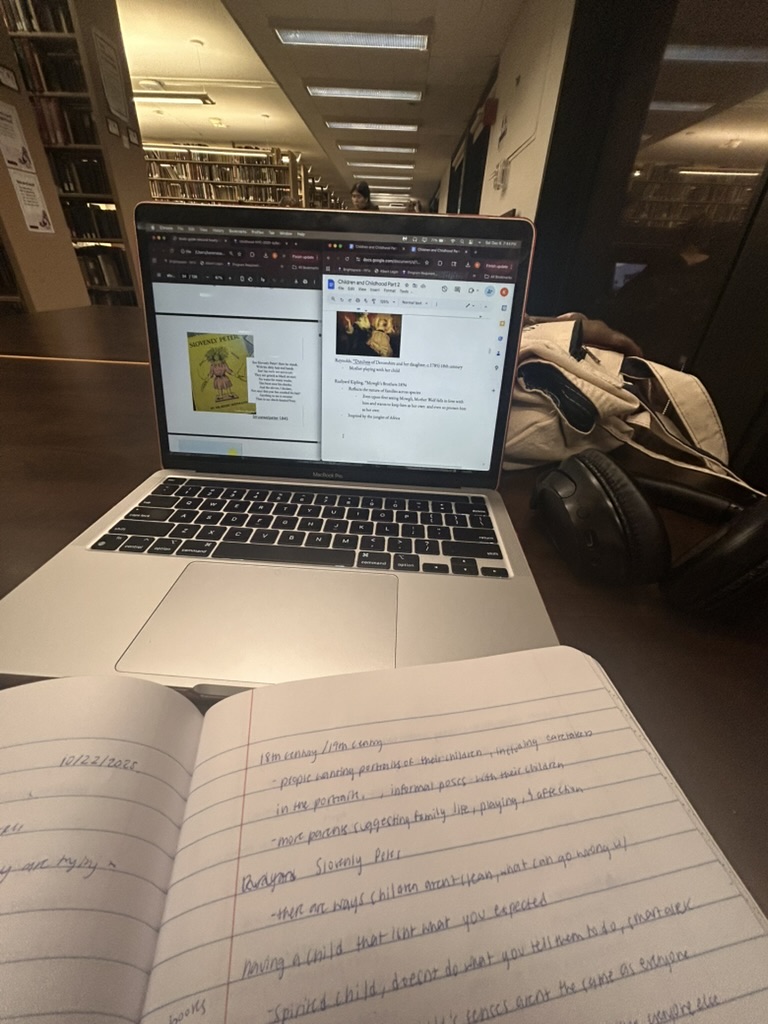
I grew in love with Medical Humanities and decided to continue taking more courses. I took Introduction to the Medical Humanities; Texts and Ideas: Children and Childhood: Medical, Historical, and Cultural Perspectives; and Medical Ethics.
Medical Ethics was offered through the school of Global Public Health and the College of Arts and Science. I loved the freedom this class provided for the final project. I had already been exploring medical mistrust and mistreatment for my research project in the Presidential Honors Scholars program. This gave me the push to collect studies and information to strengthen my knowledge. Office hours became my best friend because I would always rely on Professor David Wills, to get a sense of the ethical impacts.
Run, Don't Walk to Declare your Minor!
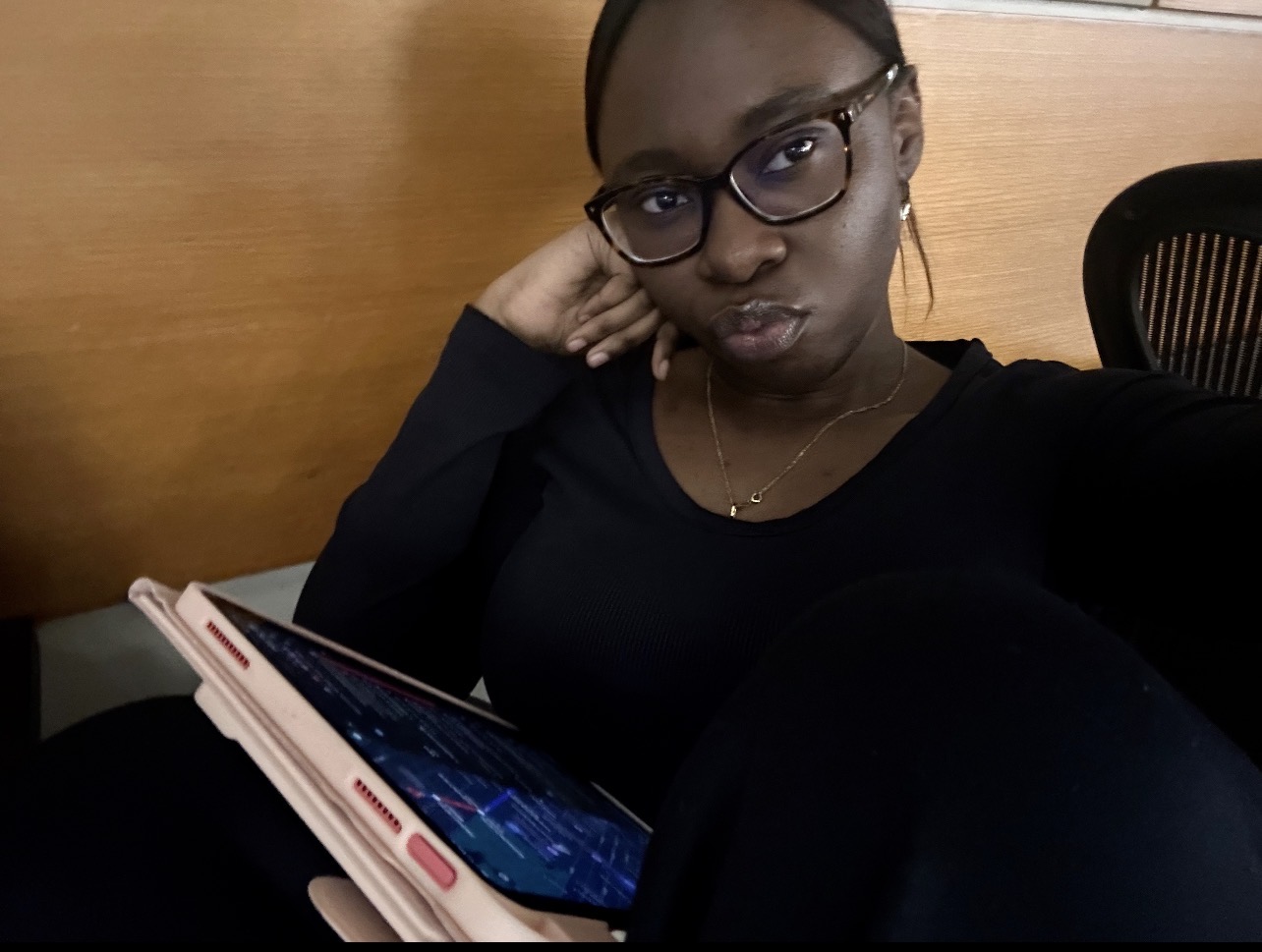
Personally, I chose to be pre-med because I wanted to reconstruct the healthcare system. I thought the only way to do that is to become a doctor. At the same time, I didn’t want to feel like I was giving up on my dreams of advocating and providing resources for underserved communities. Through Medical Humanities, I learned a lot about health promotion through other career paths while getting some background knowledge about medicine.
Related
A Social Work Minor at NYU Is Anything But Minor
Students across the University make community awareness and action part of their academic path.
The NYU Tisch Community Celebrates the Arts
Students, faculty, and community members share engaging experiences, ideas, and art during the Tisch Week of Community.
BEMT Minor: A Look into the Most Popular Minor at NYU
The BEMT Minor is one of the most popular cross-school minors at NYU, combining coursework from three different schools. Discover what makes it special!