

Conducting research as an undergraduate student is a great way to develop new skills, explore your interests, and build on what you learn in the classroom. At NYU, you’ll find many opportunities to join fellow students and esteemed faculty on research projects with real-world impact. The REACH (Research and Education in Advancing Community Health) program in the School of Global Public Health (GPH) is an excellent example. REACH matches students who have a GPH co-major or Public Health minor with faculty mentors doing research in the field. Faculty get help advancing their science, while students gain practical research experience, compensation for their work, and valuable professional connections.
Research That Benefits Urban Well-Being
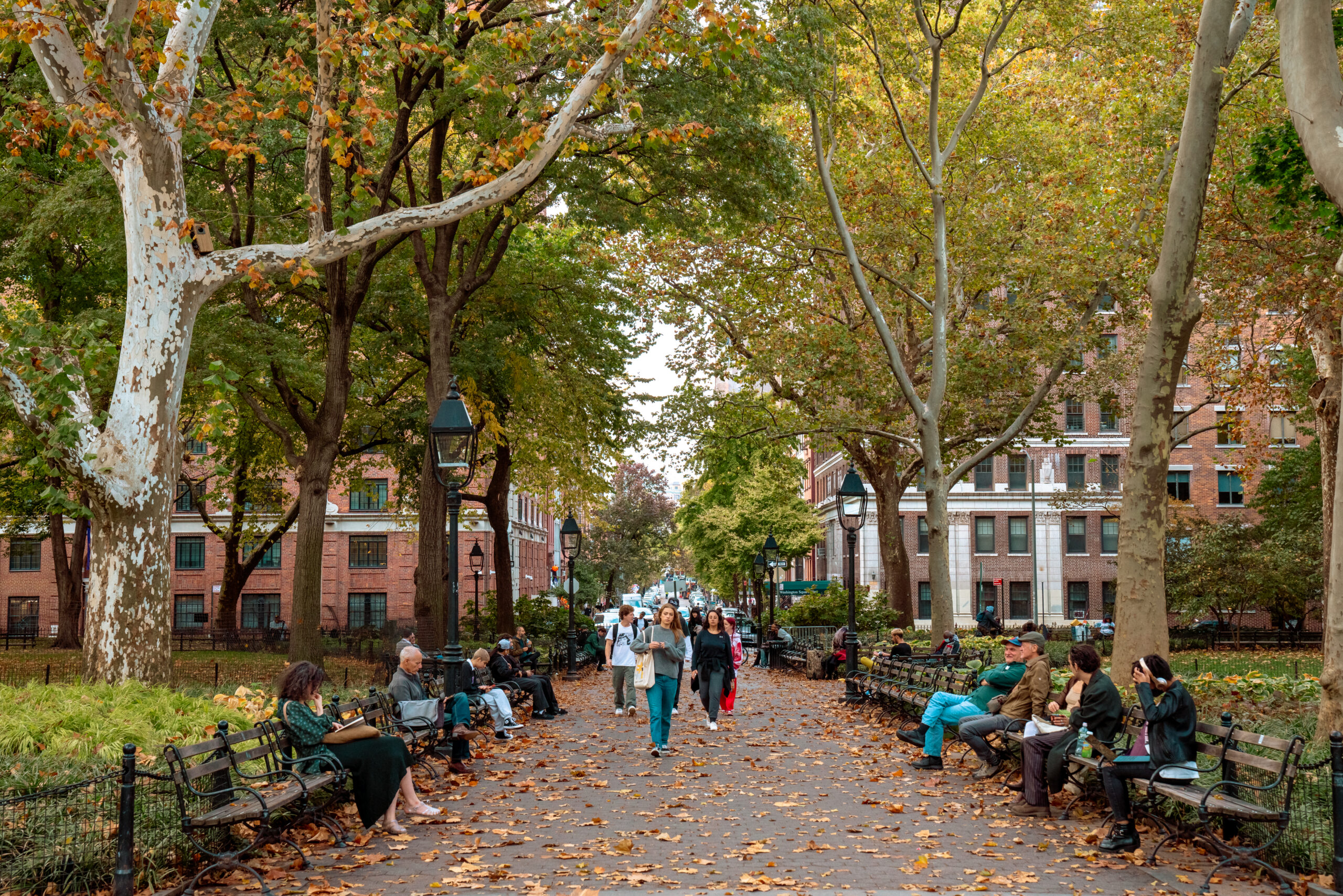
For Mayri Clemente, a Global Public Health/History co-major, REACH provided a structured introduction to the research process and helped her understand the work that happens behind the scenes. Mayri is partnering with GPH Assistant Professor Prince Amegbor to study how various types of urban parks and waterfront spaces impact mental well-being.
“Different parks have different functions,” Amegbor explains. “Take Washington Square Park. There are a lot of activities going on. There’s often social interaction. Then, other parks are more about relaxation or other forms of leisure. They may even have a conservation function. We want to categorize these different spaces and look for differences in their restorative benefits.”
To gather data, the team uses a mobile app to survey users as they enter and leave New York City parks and waterfront areas. The app tracks their activities, time spent in the space, and their pre- and post-visit mood.
“Growing up in New York City, I have seen how access to these spaces varies across neighborhoods,” Mayri says. “Researching this topic feels personally meaningful. It also connects directly to my academic and professional goals in public health.”
Mayri’s primary project role has been reviewing past research to ensure their work addresses gaps in the existing literature. With guidance from Amegbor and the GPH librarian, she learned tools and techniques to narrow their search from 9,000 to 90 relevant articles.
“Working with my faculty mentor has been a very positive experience. He is approachable, supportive, and always willing to answer questions,” says Mayri. “Research can seem intimidating at first, but it is one of the best ways to develop your critical thinking, problem-solving, writing, and information analysis. Even if you are unsure about pursuing research long term, those skills are useful in any academic or professional setting.”
Research That Makes Communities Safer
Inspired by her own college research experience, GPH Assistant Professor Kate Guastaferro is committed to working with students. As an undergraduate, she had the space to explore her own interests and to fail safely. “It made me fall in love with research as both a creative and scientific outlet. That’s the environment I want to create,” she shares. “My job as a mentor is to help you find what you love, but also what you don’t love. You have to try to know.”
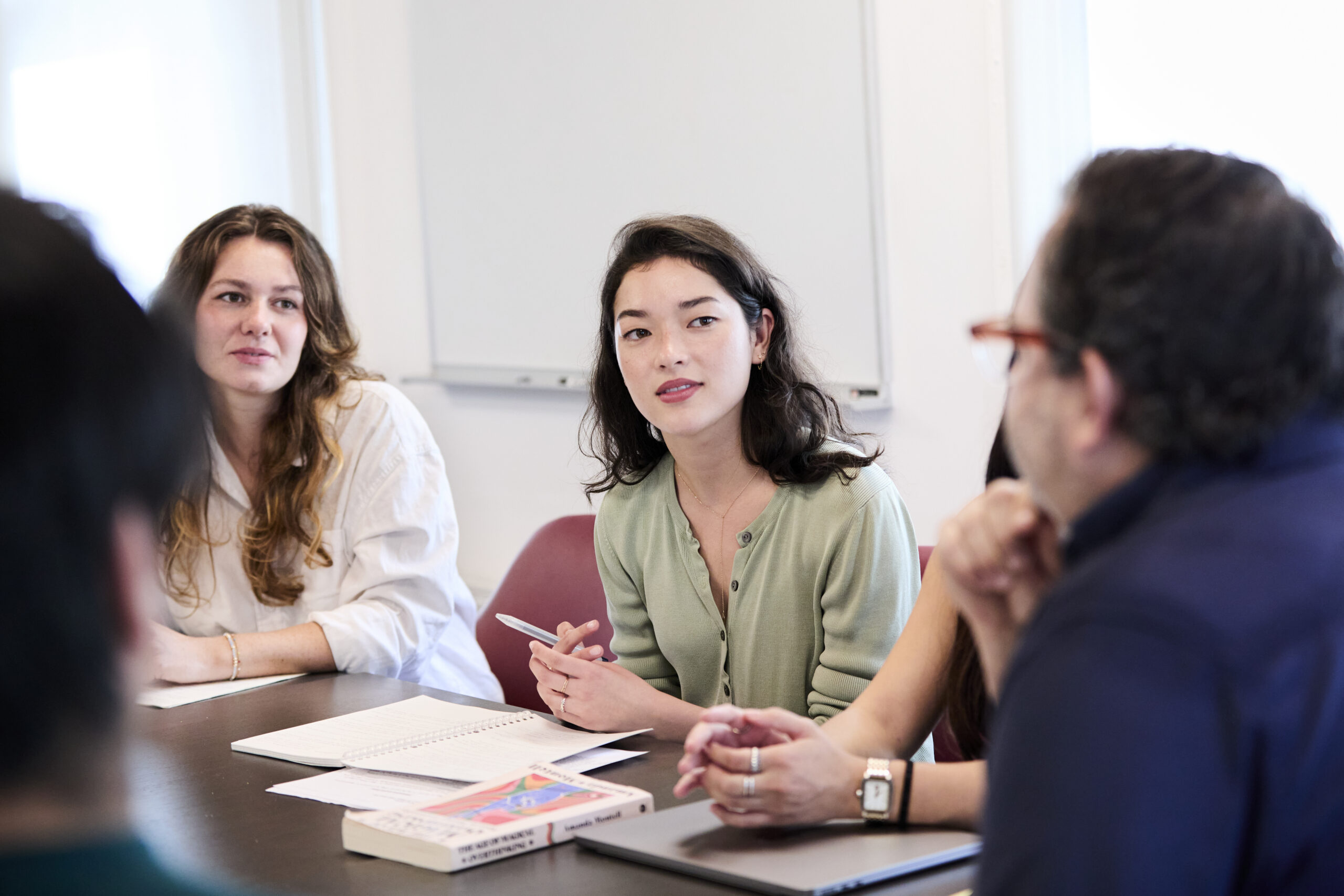
One of Guastaferro’s projects is a child sexual abuse prevention program that includes partners who lead educational workshops in elementary schools. NYU students Aminata Tourè and Ndeye Khady Samb helped process data from those workshops, assessing student learning and how well program guidelines are followed. The pair also join Guastaferro’s recurring lab meetings alongside graduate and doctoral students. “They get to hear about the whole universe of work that we do,” Guastaferro says. “They can learn from each other and see the trajectories other researchers take. Plus, they get a lot of peer mentorship.”
Ndeye is a premed student who completed a Psychology degree with a Public Health minor this spring. She had previously spent time in chemistry and biology labs but had never done research in public health. The REACH program was the perfect opportunity to expand her skills. “One of the most valuable parts of my involvement has been gaining hands-on experience working with large amounts of research data,” she says.
For Aminata, a Nursing/Global Public Health major, a big draw was learning how research can be used to address real-world health challenges. She wants to become a pediatric nurse, so she appreciates that the project increased her awareness of issues affecting children’s health and safety. “I’ve enjoyed learning how different pieces of a research project come together and how findings can be used to make a meaningful impact,” she says.
Related

In the Know: The Dean’s Undergraduate Research Fund
A steady support system makes independent research possible at NYU.

A More Sustainable World, One Research Project at a Time
Through experiential research projects, NYU undergraduates are exploring global challenges and building a more sustainable future.
Improving Care and Well-Being, One Experiential Research Project at a Time
At NYU, undergraduates are improving human health, well-being, and care across the globe through hands-on research projects.