Published April 30, 2026
Visit City Art Galleries and Museums in This NYU Class

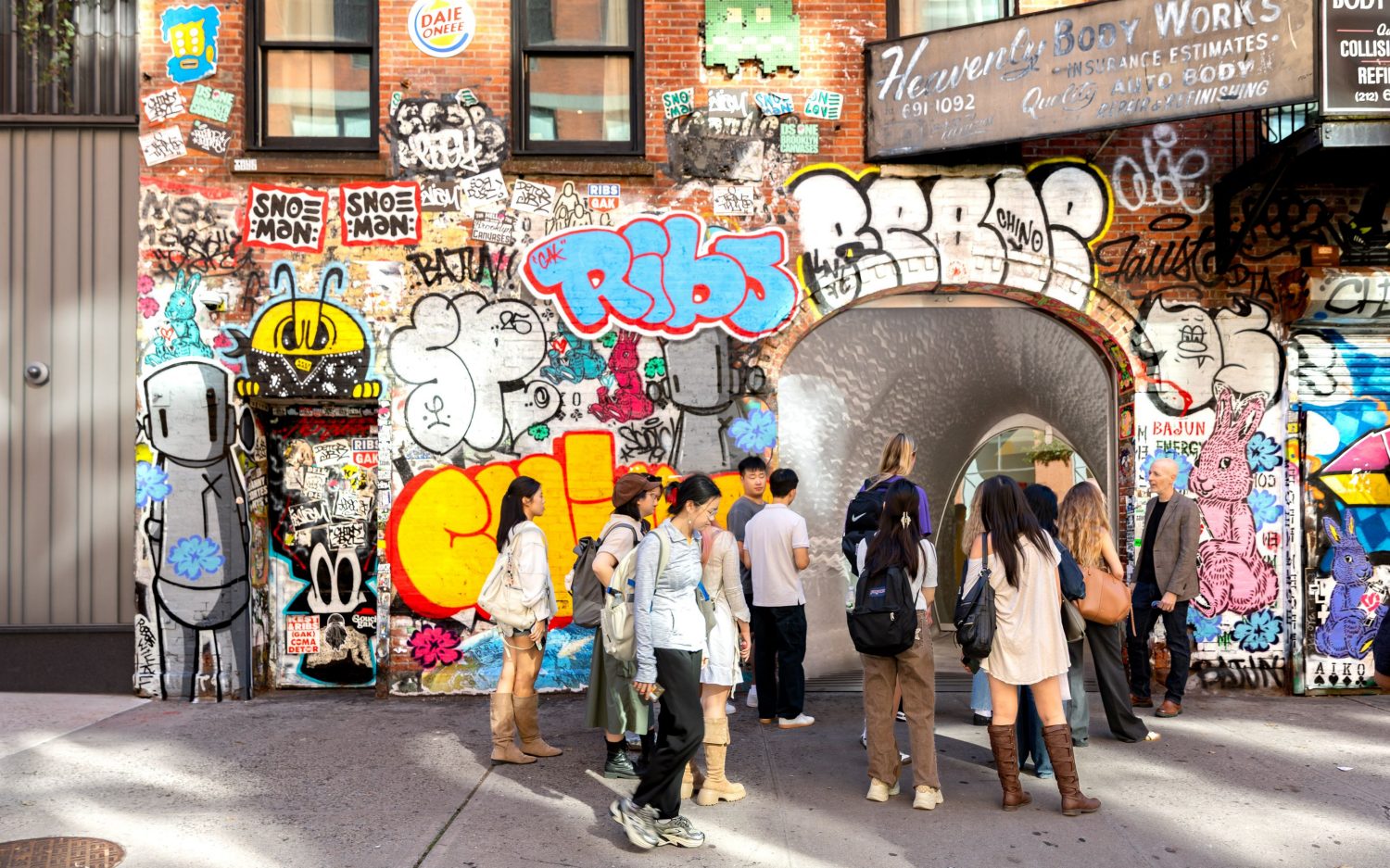
NYU classes take you beyond campus buildings and into the incredibly diverse, culturally rich metropolitan landscape surrounding us. Here, opportunities abound to get up-close, personal experience with everything from international relations and sustainability to engineering, urban studies, and art of all kinds. The Introduction to Galleries and Museums of New York course is a perfect example. Offered through the NYU Steinhardt School of Culture, Education, and Human Development, the class is a favorite not only for Studio Art majors but also for students across the University who are excited to discover the city’s thriving art scene.
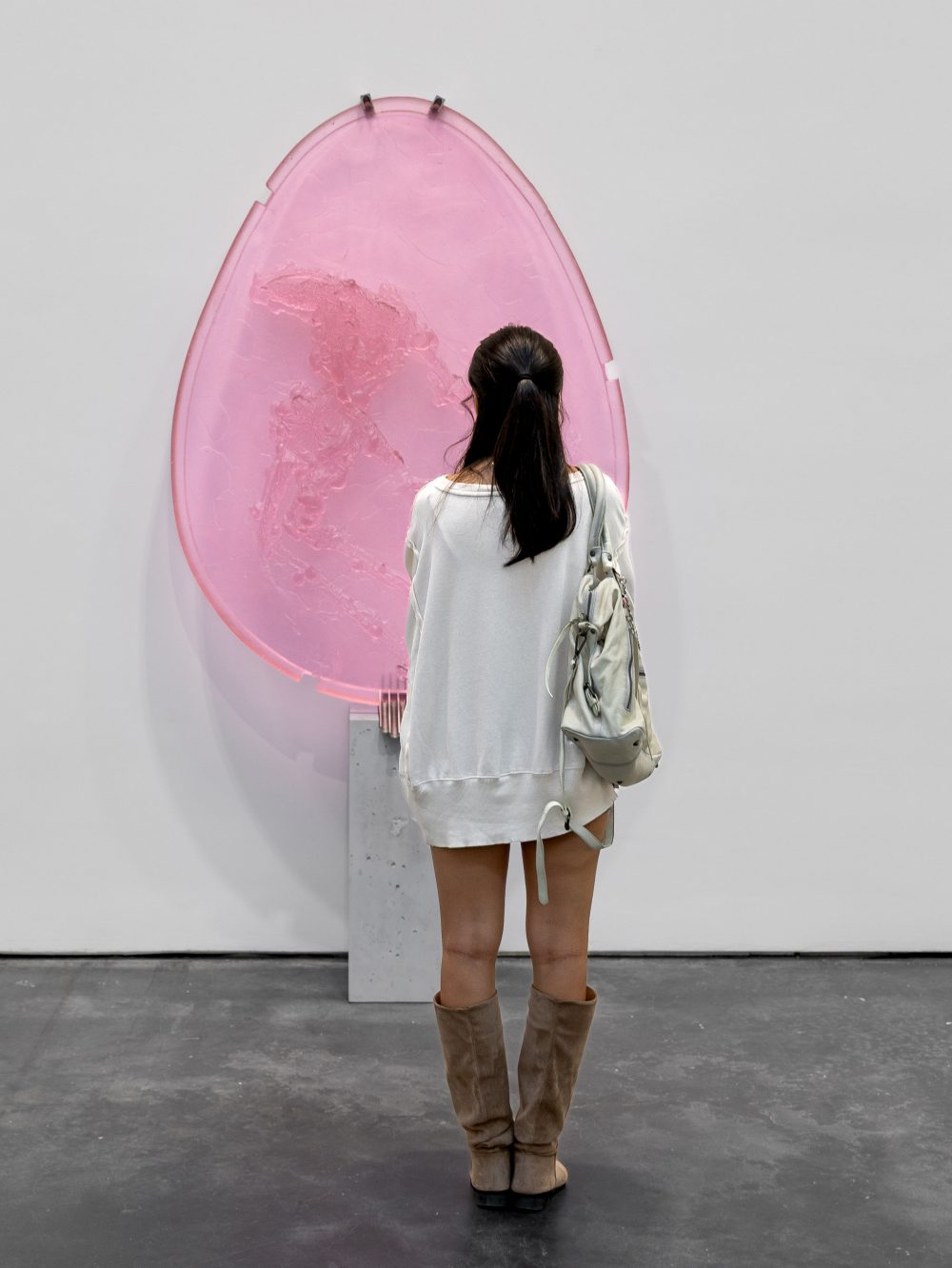
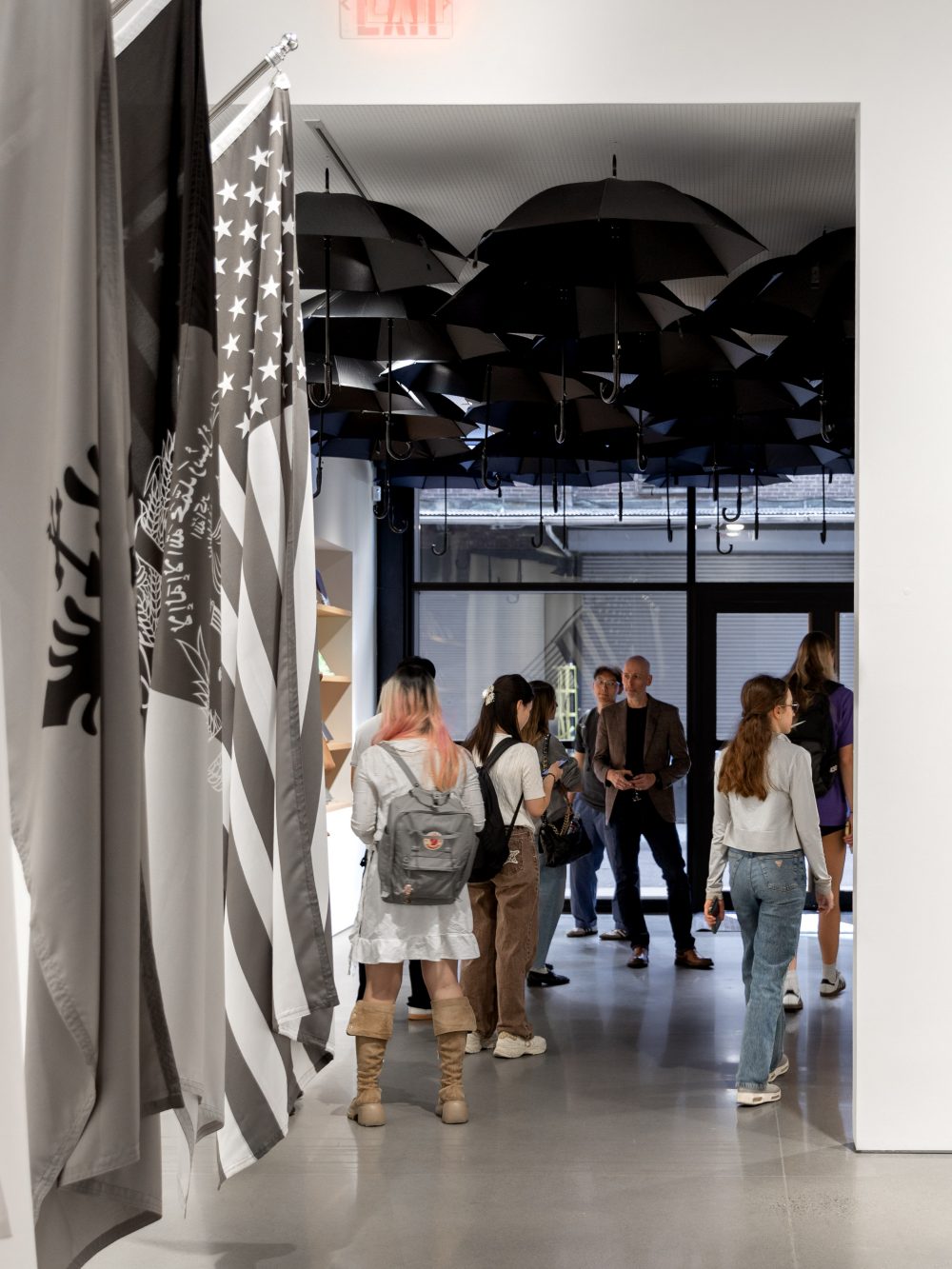
Learn the Language of Art
Introduction to Galleries and Museums of New York offers a taste of the various institutions that make up the city’s vast arts ecosystem. Students visit commercial galleries and small nonprofit museums, in addition to famous landmarks like the Metropolitan Museum of Art, Whitney Museum of American Art, Museum of Modern Art (MoMA), Cooper Hewitt Smithsonian Design Museum, Brooklyn Museum, and more.
Each class session begins with a short discussion about an institution’s history, mission, and noteworthy pieces. The group then moves through the galleries together, with their instructor occasionally pointing out specific themes or inviting discussion. Sometimes, the works they see unite multiple forms, such as an exhibit that combines sculpture, music, and dance.
“We focus on contemporary art, which is something that New York really showcases,” explains David Darts, global network associate professor of the arts at NYU. He leads the class. “The course provides a language to discuss art. So, students can stand in front of a work and talk about it. They can ask questions about it and form an opinion about it.”
While some students have studied art or art history, many are complete novices. Throughout the semester, they build close observation and analytical skills, learning how curation and exhibition design can shape a viewer’s encounter with a piece. Beyond technical skills, students are also encouraged to expand their definition of art.
“They won’t necessarily like all the work, but they may develop a taste for it. Or, they may hate it. That’s okay,” Professor Darts says. “Questions about why you don’t like it or what about it upsets you—those can be very interesting too.”
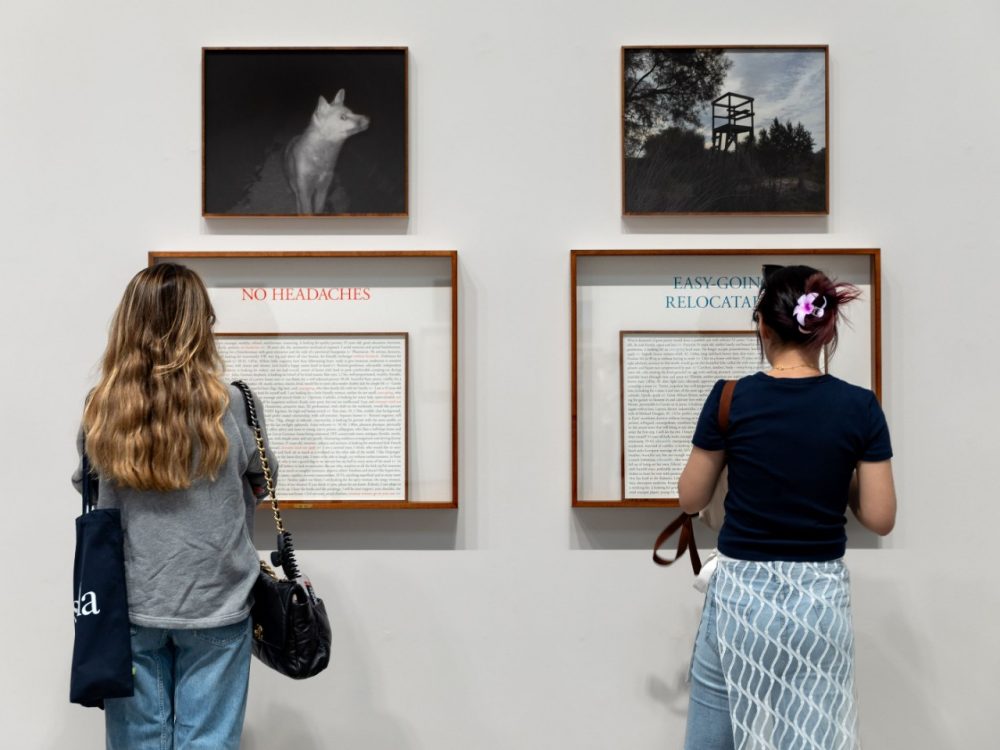
See the World in New Ways
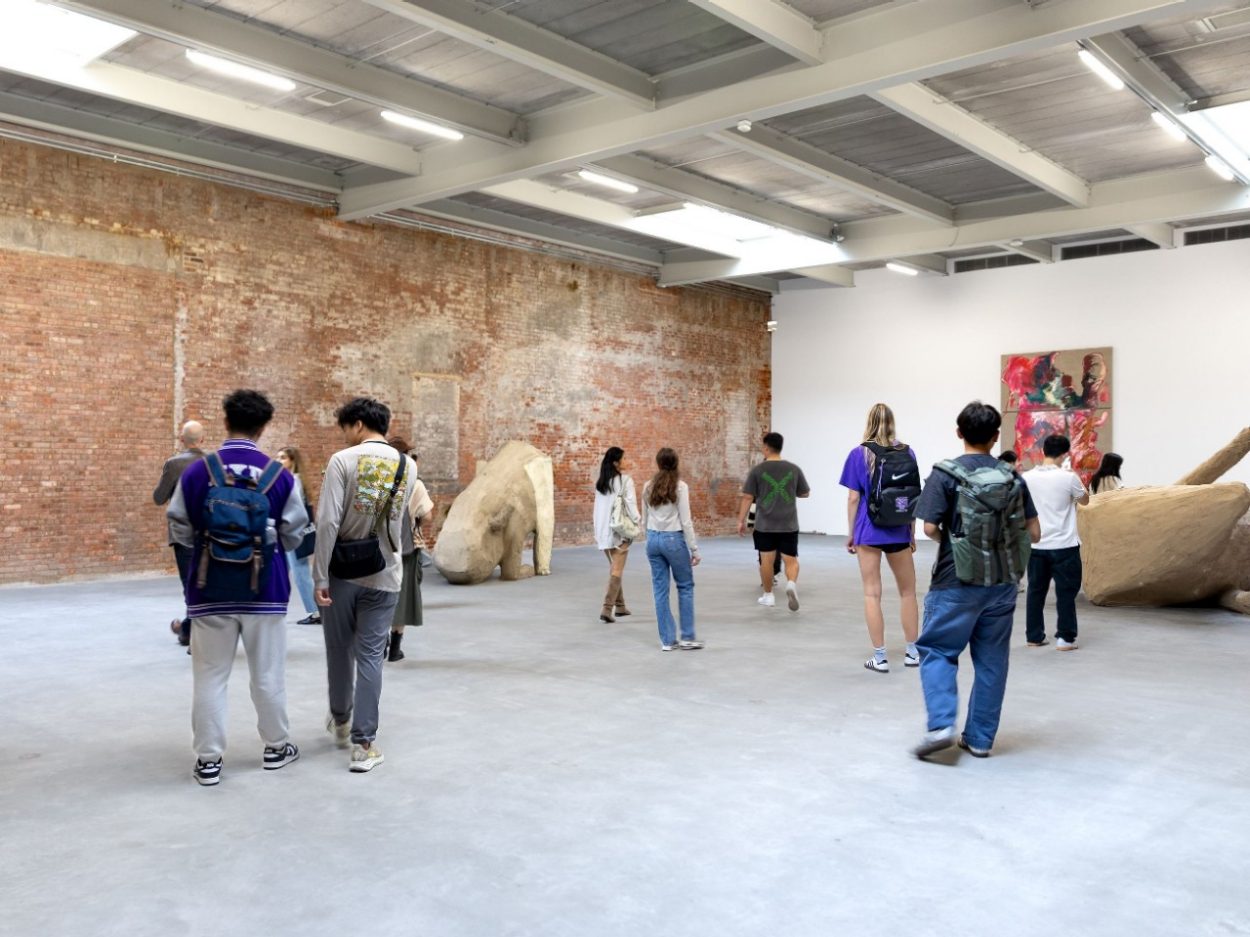
Last fall, students visited PS1, a former public school in Queens now affiliated with MoMA. In one gallery, they explored a discarded urban environment. Broken pieces of computers sat in a corner. Another area held an old electrical box, a street sign, and a predigital billboard. Stopping in front of an upside-down junkyard claw, Professor Darts waited as the bud-shaped hunk of metal clunked open, petal by petal, resembling a flower. “Try to look at it as an aesthetic object,” he said. “It’s cool to find beauty in what is otherwise used for demolition.”
These recycled and reclaimed objects are part of The Gatherers, an exhibition of sculpture, assemblage, painting, and video. At the exhibit, the class considered how the artists transformed familiar material into something new, evoking ideas about consumption, waste, and excess. Nicoleta Jantoan, an NYU Abu Dhabi Art and Art History major who took the class while studying away in New York City, responded strongly to the exhibition.
“I saw The Gatherings as a reflection of our society, of the waste we unconsciously produce and the ways we try to dispose of it. We simply cannot. And funny enough, the waste never stops chasing us. It follows us even in the museum,” Nicoleta says. “It might seem challenging and not ‘beautiful’ to see ‘garbage’ in a museum, but I think it is necessary.”
Explore the Culture of New York City
Each week, students must get themselves to a different assigned institution, an experience that is itself educational. “It gives them a rich understanding of the cultural landscape of New York City, the effects of gentrification, the changing nature of the city, and the role of artists in it,” Professor Darts explains.
For Nicoleta, a first-time visitor to New York, seeing both the art and the city was a primary reason to take the class. “I am beyond grateful that I got the chance to become more familiar with the arts scene in the Big Apple,” she says. “While I am trying to make the most out of my time here—going to performances, musicals, and exploring other states—this course represents a hands-on experience of what I have been studying in my art history classes.”
This story was originally published in NYU News, you can read it in full here.
Related
Student Artists Thrive at NYU Berlin
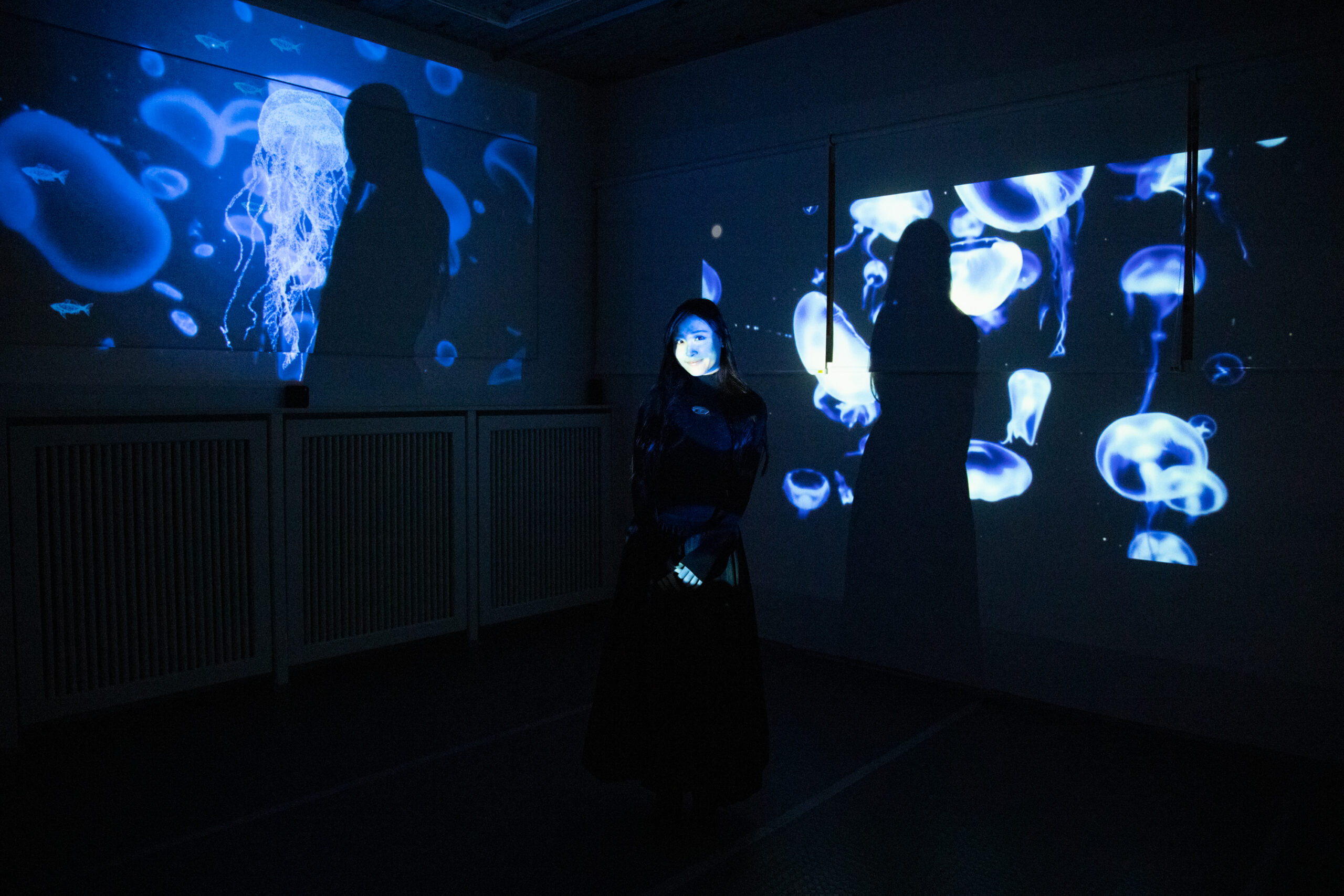
Study away student artists at NYU Berlin prepare for Open Studio, a public showcase of artwork spanning mediums.
Celebrating 60 Years of NYU Tisch with Dean Rubén Polendo
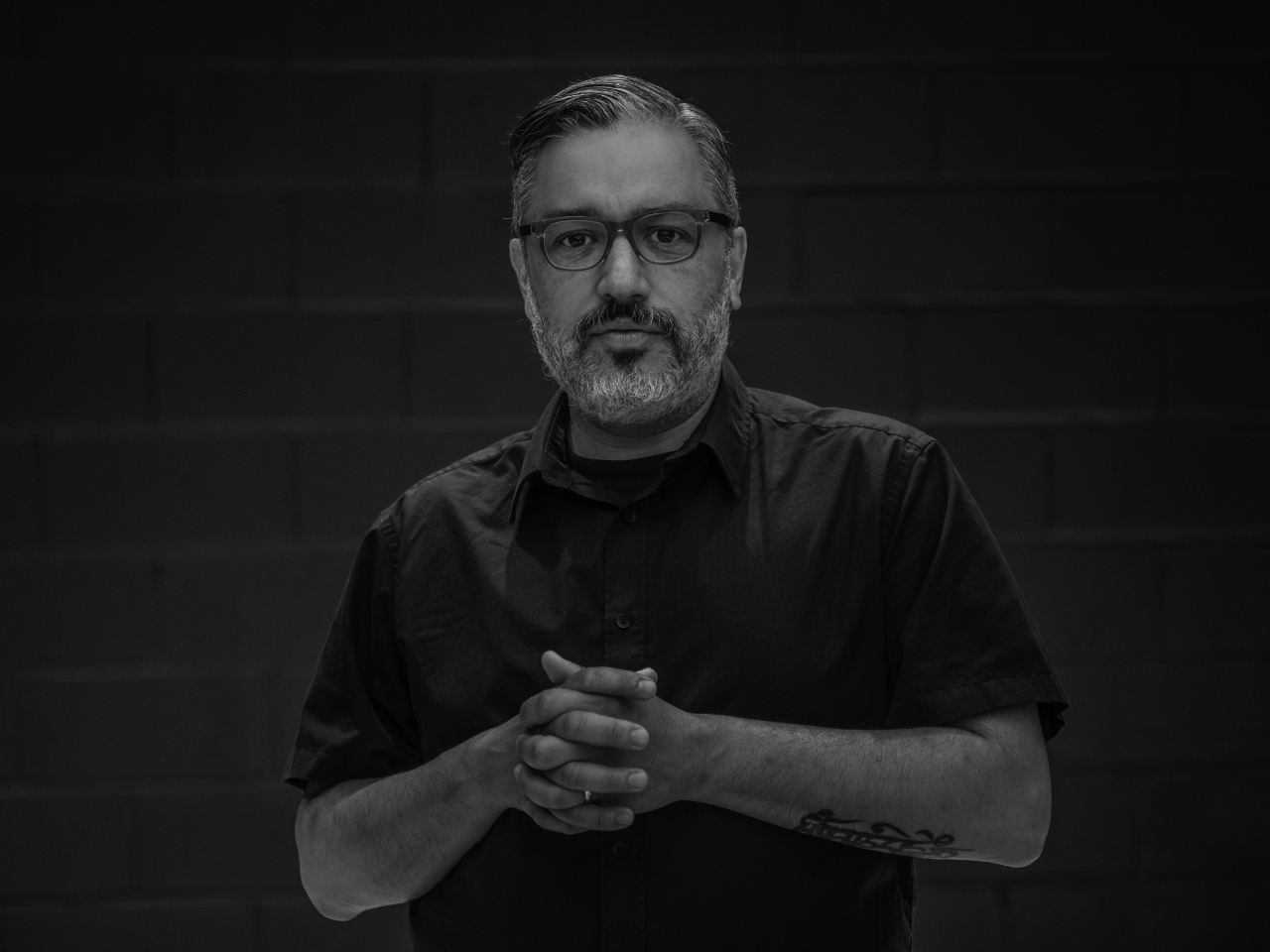
In celebration of NYU Tisch's 60th anniversary, Dean Rubén Polendo talks about envisioning the future of art and embracing its unknowns.
Discover Urban Studies at NYU
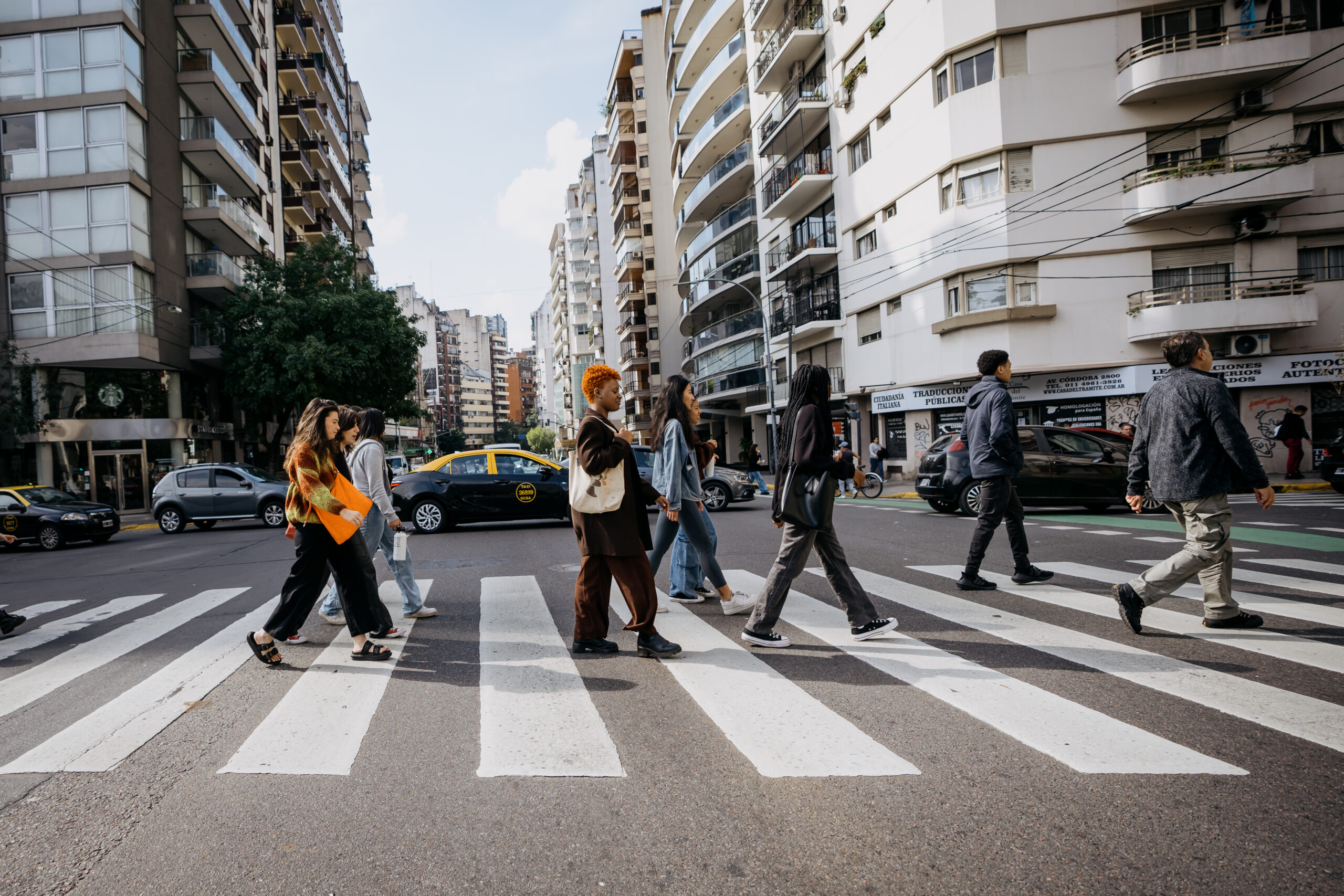
Experience the city as your classroom and learn how to shape the future of urban life with NYU's new Urban Study majors.