Published October 23, 2025
The Professor Down the Hall: Faculty Fellows in Residence at NYU


Living in New York City is an undeniably great benefit of studying at NYU. But for many students, NYU residential life marks their first experience living independently. While New York City is exciting, it can be overwhelming—especially for new students far from home.
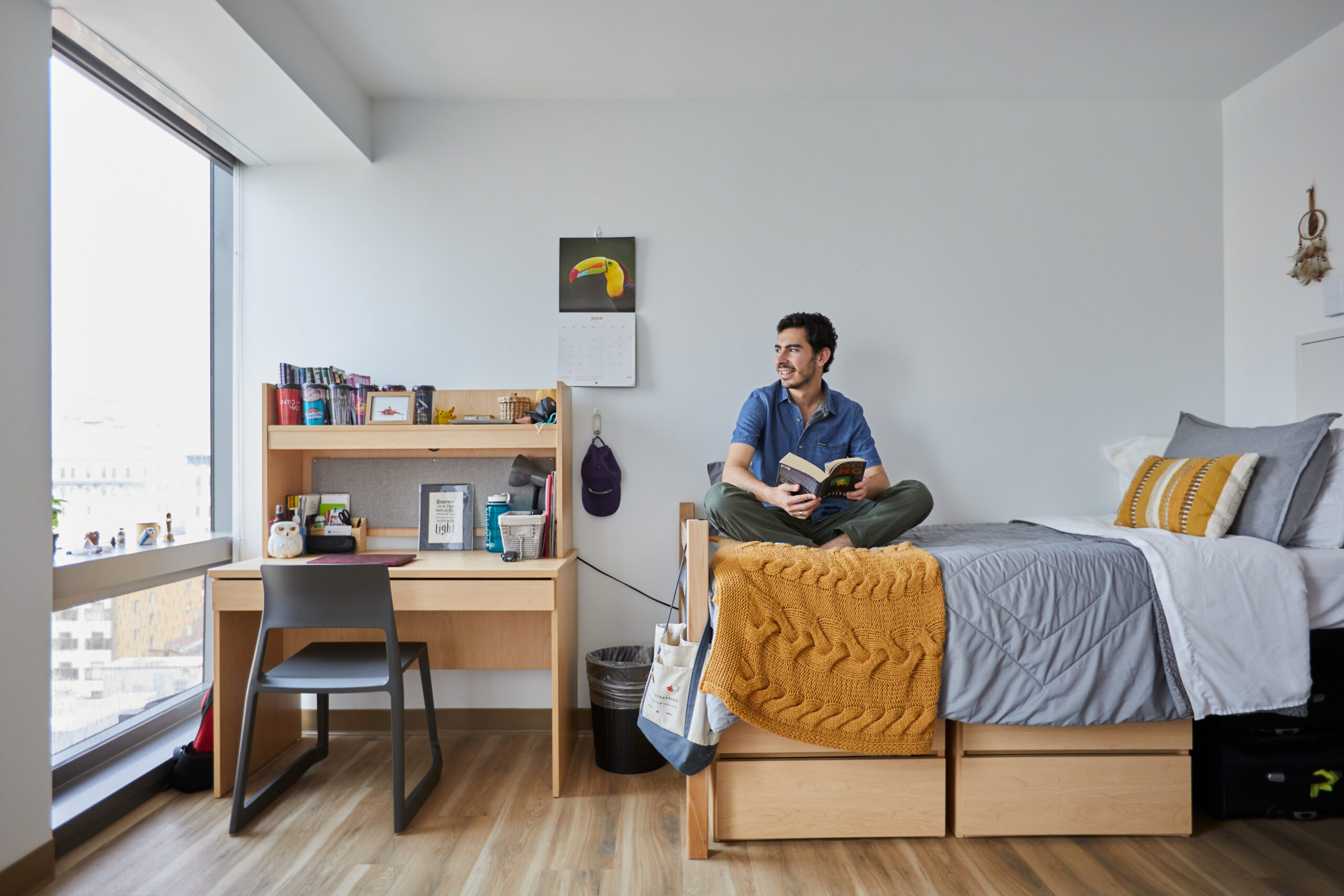
NYU residence halls are one place students go to escape the hustle and bustle of the city. There, on-site staff serve as valuable resources for new students. Administrators, security teams, and resident assistants (RAs) are available year-round to answer questions and help students navigate challenges. However, there’s also a lesser-known residence hall resource most incoming students don’t know about: Faculty Fellows in Residence.

Building Connection on Campus
Faculty Fellows in Residence (FFIRs) are faculty members who live in NYU residence halls right alongside students. Fellows have their own apartments where they live with their families, including partners, children, and pets. FFIRs serve as friendly faces and helpful resources for students when they’re far away from home. At the same time, they’re designated community builders, planning and hosting events and activities for students throughout the year. “The idea is to humanize professors and to help build belonging for students,” says Dr. Stephanie Cook, a professor at the School of Global Public Health and an FFIR at the Paulson Center.
Each residence hall has two FFIRs who work with RAs to design inclusive, engaging events and activities. “Many students are new to the city,” explains Ida Chavoshan, a Liberal Studies professor and FFIR at Lipton Hall. “We take them out and create opportunities for them to get to know each other and the city.”

Something for Everyone
Like the city itself, NYU residence halls are diverse communities with a range of opportunities for exploration and connection. Every FFIR hosts three to five events or activities per month. Events vary widely—everything from weekly run clubs to field trips to tours of cultural landmarks. “My husband and I do monthly movie nights,” says Chavoshan. “I also host a series called ‘Iconic New York,’ alongside my fellow Lipton FFIR Jordana Mendelson. We go to iconic places in New York City, like Yankees games or the Met Opera.” Other FFIR events are more low-key, like drop-in doughnuts and coffee during midterms or afternoon crafting projects. FFIR events are free for students and open to all—you just need to sign up.
A Friendly Face at Home
Whether or not students participate in FFIR events, the presence of an FFIR and their family can make a residence hall feel more like home. “Students miss their families,” says Joseph Esposito. He’s a professor at the Courant Institute of Mathematical Sciences and FFIR who lives in Othmer Hall in Brooklyn with his family, including two small children. “A lot of students gravitate toward my kids and will bake them snacks,” he adds. Cook also has small children—and a (very popular) dog. “My kids come to some activities, and they run around the building,” she says. “It is so hard to walk my dog because every student wants to pet the dog on the way out.”
Having on-site faculty can help students with another life skill: building relationships with adults in other phases of life. “You know, faculty are just people,” says Chavoshan. “We’re in the classroom some of the time, but other times, we’re just living our lives.” For many FFIRs, showing up for students means hosting events in their homes—which are right down the hall. For example, Esposito hosts pasta-making classes. “Students come into my apartment, I play Italian music, and we make pasta,” he says. “I make a big pot of sauce and then they cook it, and we all eat together. They get to eat what they just made.”
In a place as big as New York City, finding a welcoming community is a rare and special treat. In NYU residence halls, Faculty Fellows in Residence help make it happen. “I love being a part of the community here,” says Esposito. “It’s not just the students. It’s also the faculty, the maintenance crew, the security guards. I get to see the same people all the time, and it feels like one big family.”
Related
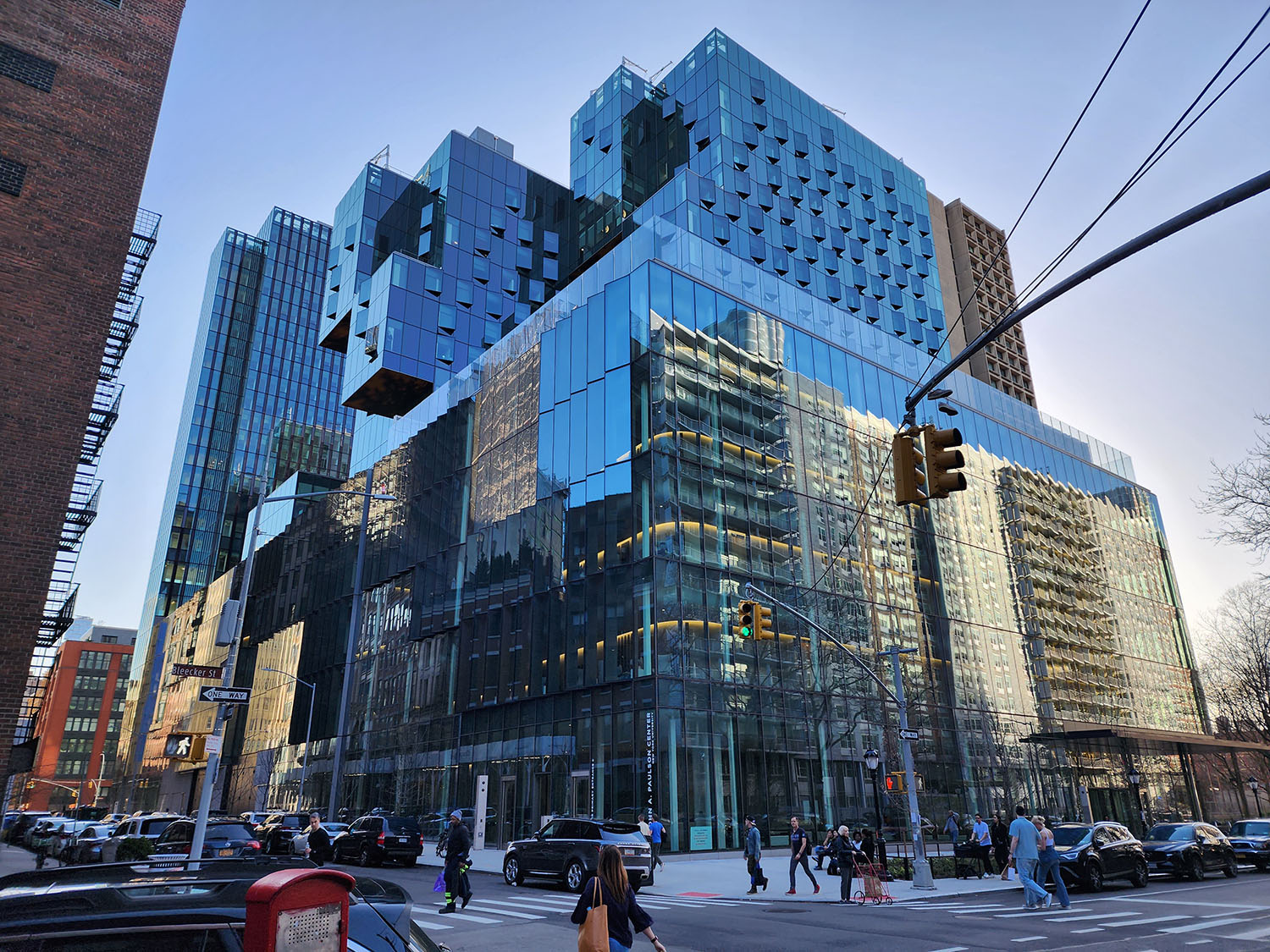
Life in NYU’s Paulson Center: A Paul-pular First-Year Residence Hall
Follow NYU student Celina Jia inside NYU's brand new Paulson Center -- a residence hall that features everything from cafes to classrooms.
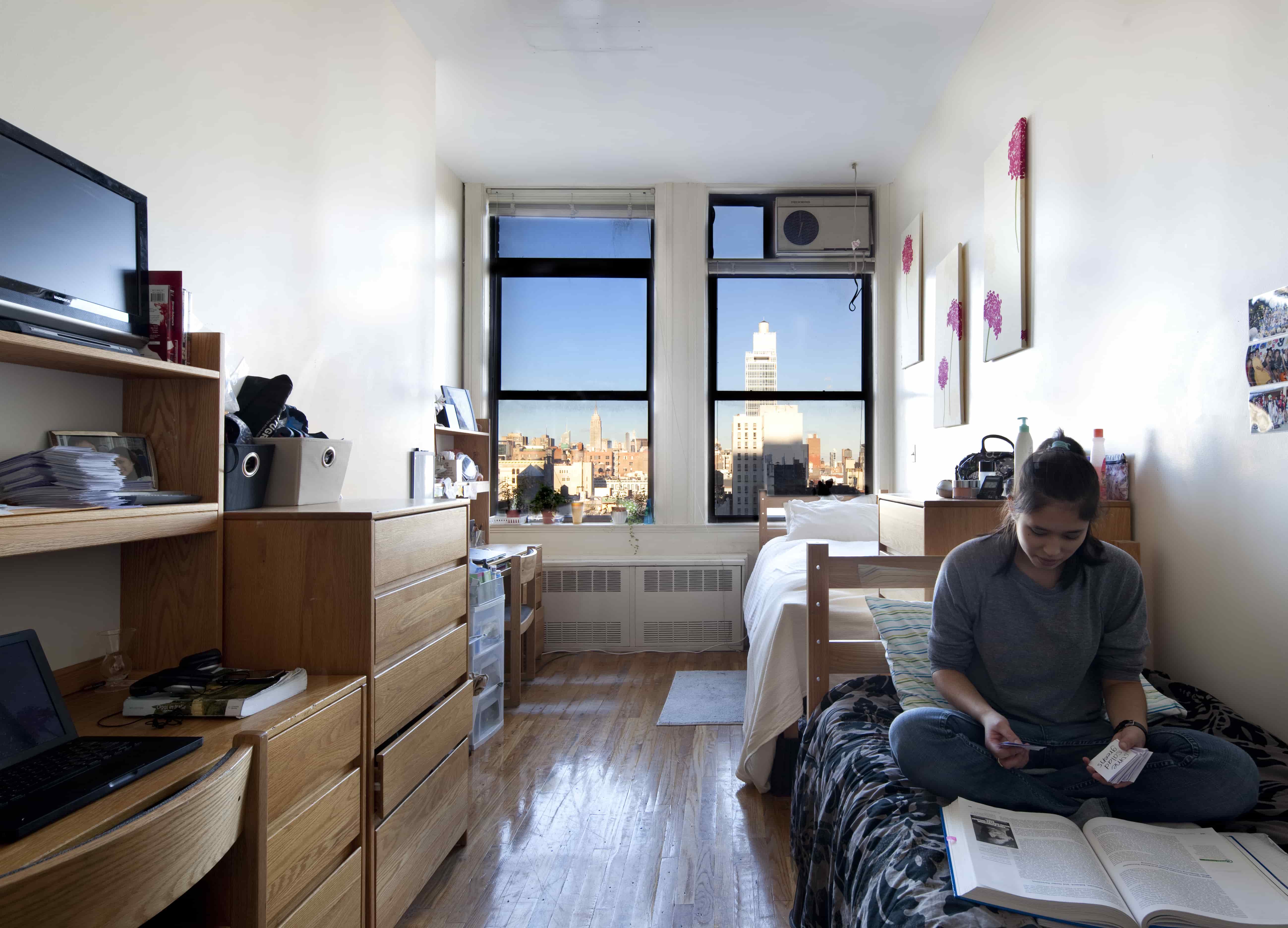
NYU Residence Halls Help Students Find Their Home Away from Home
NYU residence halls are a great place for students to live, learn, and find community on campus.
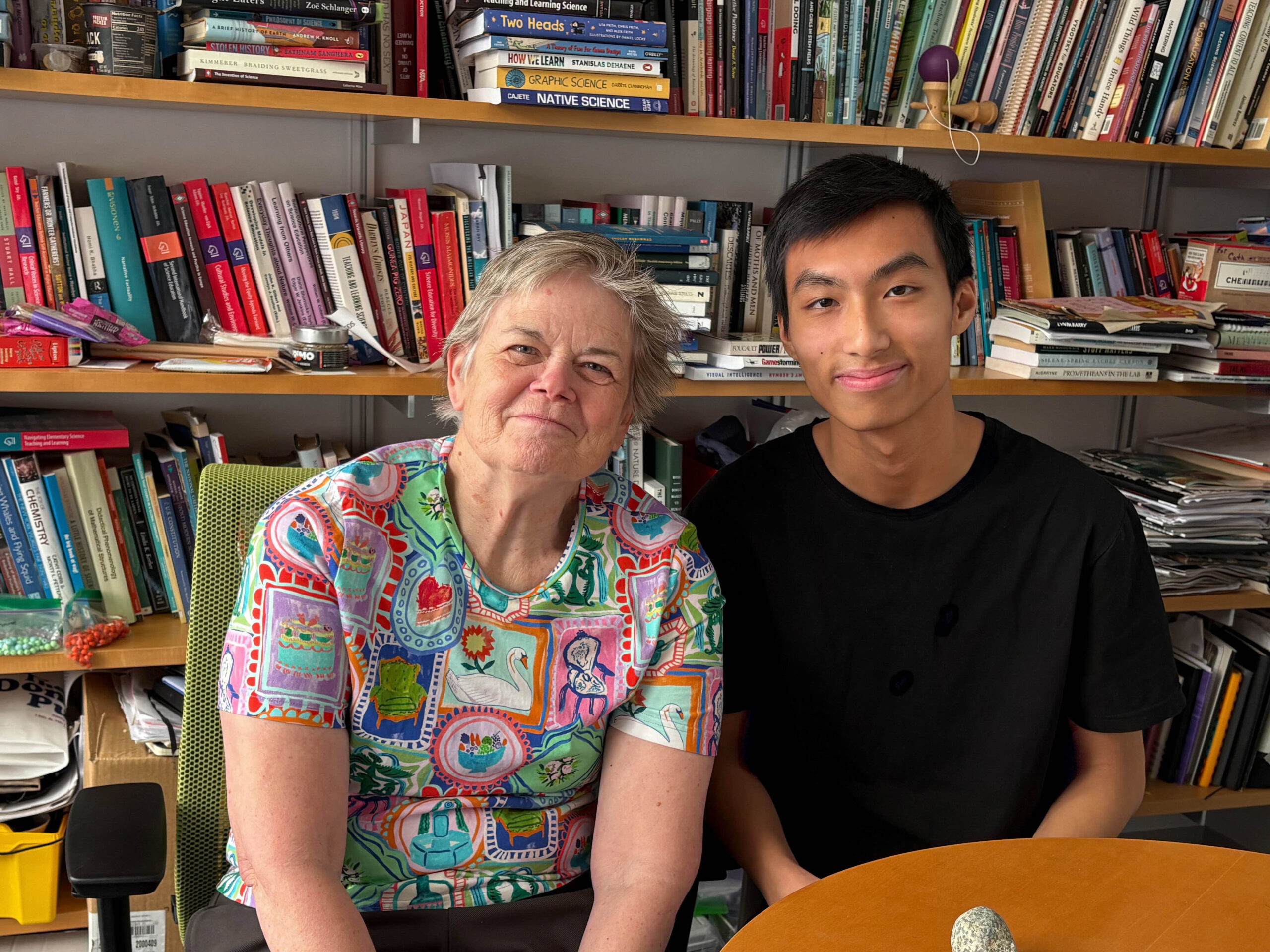
Faculty Mentorship at NYU Takes Students Further
Since his first semester, NYU Steinhardt junior Pei Lin Lu has gained invaluable faculty mentorship from Professor Catherine Milne.