Published July 07, 2026
Your Roommate May Not Be Your Best Friend (And That’s Okay!)

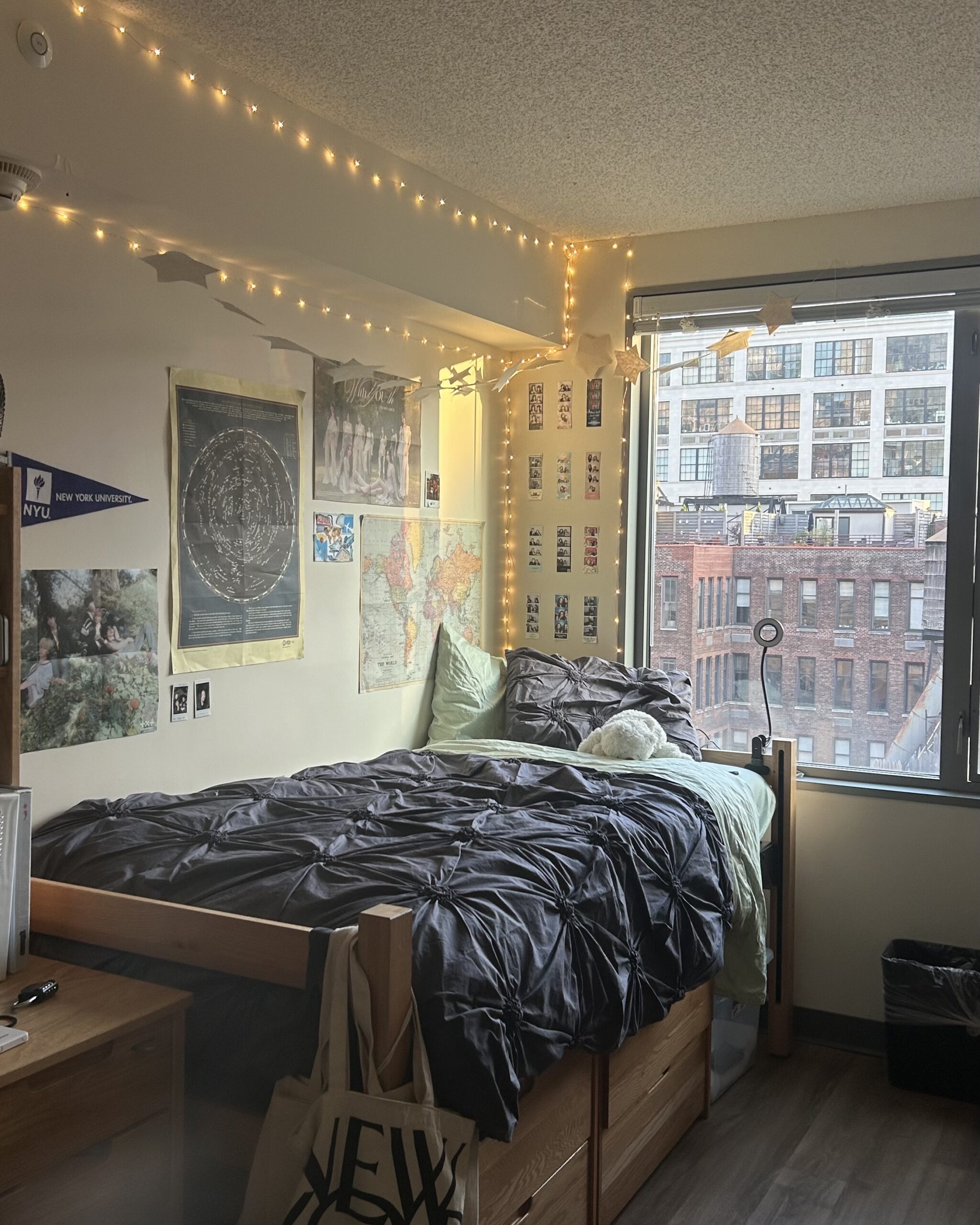
My original first-year room in University Hall
The TL;DR
- Learn about roommate selection, the basics of cohabitation, and living agreements at NYU.
- Just in case problems arise, get practical advice on how to address them and how to swap rooms if necessary.
Moving to college often comes with a very big adjustment—sharing your living space with someone new. Whether you knew each other already, met on Instagram, or let the University assign you a roommate, it’s easy to hope you will be best friends. But the truth is that’s not always the case, and that’s perfectly okay. As someone who has experienced multiple “random” roommates, swapped rooms, and now lives with my good friend, there are pros and cons to every situation. Read on to learn how NYU’s roommate system works, cohabitation 101, and what to do if things don’t go as planned.
How Are Roommates Assigned?
At NYU, you have two options for roommate assignments. First, you can request up to one roommate. So, this could be a family friend, someone you knew from high school, or someone you met on Instagram. Or you can go “random.” I put random in quotation marks because it is not completely random. You fill out a living style survey about your habits, such as what time you wake up, how clean you are, whether you bring guests into your living space, and more. Additionally, NYU has something called geographic diversity, which ensures that when you’re matched with a “random” roommate, they will not be from the same zip code as you.
Cohabitation 101
Living with roommates can be tricky, especially when everyone comes from different backgrounds. As a result, there can be pros to living with someone you already know. You may already be familiar with each other’s living styles, making it a sleepover that never ends! However, it can also be a tough and awkward situation to have to confront your friend over disagreements, like taking out the trash or cleaning the bathroom. Disagreements are inevitable when sharing a room with other people. But NYU has systems in place to help you work through them.
Living Agreements
All residents must complete a living agreement for their room and the entire suite, if applicable. The living agreement covers everything from cleaning schedules and guest policies to room temperature and steps to take when someone is not fulfilling their obligations. While people often scoff at or speed through the agreement, it is the first line for conflict resolution. Taking it seriously helps prevent issues later by setting clear expectations early on.
Resident Assistants
Each floor in every NYU residence hall has a resident assistant (RA)—an upper-level student who supports residents’ transition to college life. Junior Madeleine Chan, an RA at Lipton Hall, explains that “most roommate conflicts stem from miscommunication or small misunderstandings that build up over time.” Her first advice: “Have an open conversation about how you feel.” Since conflicts rarely come from bad intentions, genuine curiosity and a willingness to understand can often resolve issues. If that doesn’t work, reach out to your RA for mediation. “We provide a neutral space for both roommates to share their thoughts and work toward a solution,” Madeleine says. RAs can also connect students to resources like NYU Wellbeing or residence hall directors. Here, you’re never alone; your RA can help.
Room Swaps
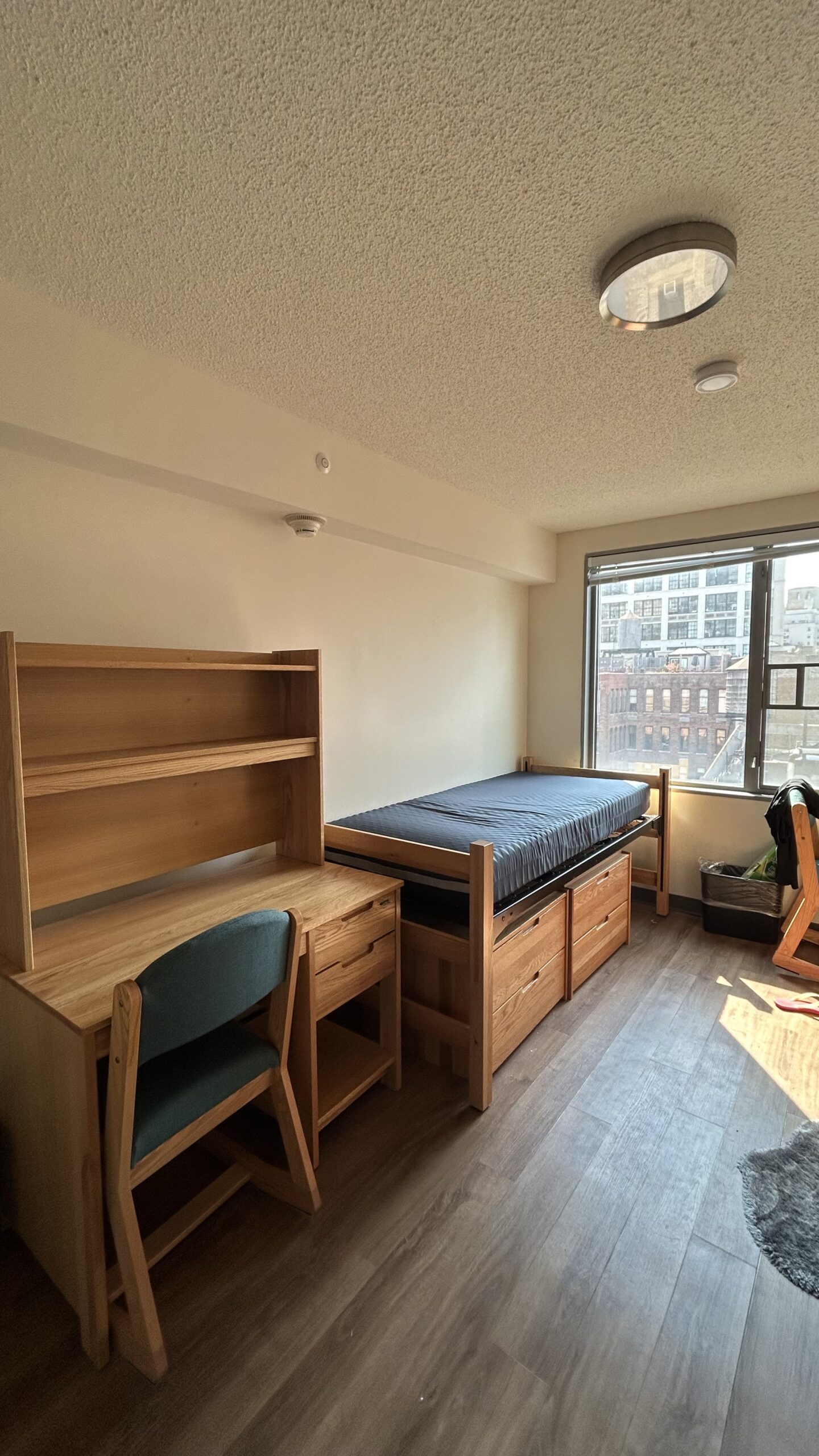
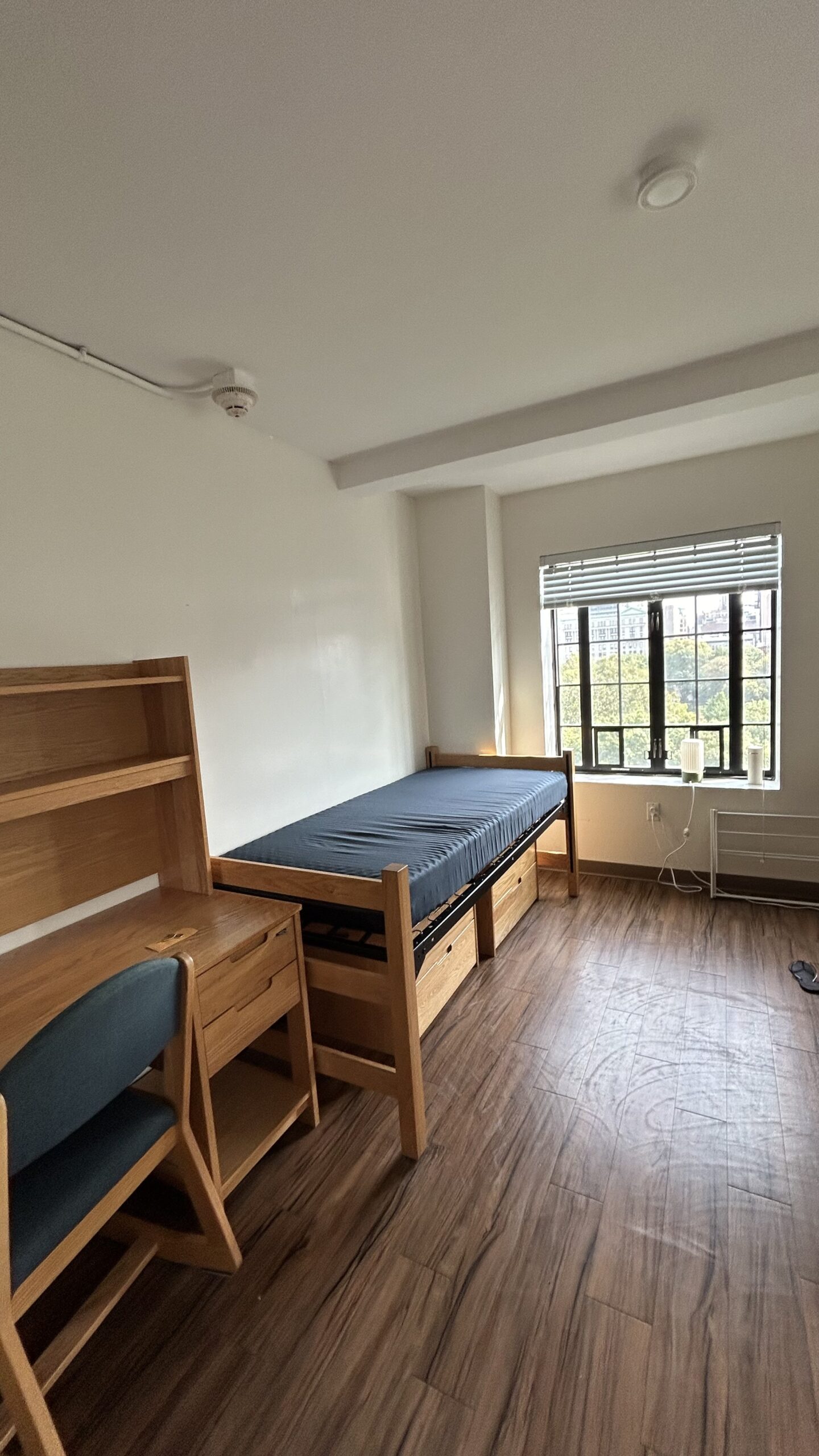
Ultimately, it is up to you whether your situation is livable/fixable. It’s not an easy decision to make a gamble on moving. But as someone who did take the risk, it was worth it for me. There are two options for swapping rooms: a room change request or a bed-for-bed swap. Both are located within NYU’s housing portal.
Room Change Requests
Room change requests are the much simpler option, but the housing office rarely grants them. There is a form where you can indicate why you want to change rooms and where you would be willing to be placed instead. Then, after an undetermined amount of time (and sometimes never at all), the office will email you with a room option, and you’ll have a limited time to accept the offer. I was able to move through a room change request, but other students have reported not having much luck.
Bed-for-Bed Swaps
The more common method is the bed-for-bed swap forum. You can access the forum through the housing portal and essentially “post” your room. You can see other room postings and message people through the platform or email them. This can allow for more control over where you move, allowing you to communicate with a potential roommate and possibly tour the room. That being said, it can be a difficult process to find the right match. Still, it could be worth it in the long run.
The Moving Process
The moving process is usually quick. Once your room change is confirmed, you often get less than a week to pack and move. My biggest piece of advice is to ask for help.
If you remember one thing from this article, it should be that you are not alone! Have someone to help you move out and someone else waiting at your new room to help you move in! While moving is a bittersweet experience, it is also a new beginning.
In the end, even if you aren’t best friends with your roommate, the experience can teach you valuable lessons about communication, compromise, and independence. That being said, if things aren’t going as planned, you are not alone! NYU has plenty of resources and options to help you find a better fit. So, you should never feel pressured to stay in an uncomfortable situation.
Related
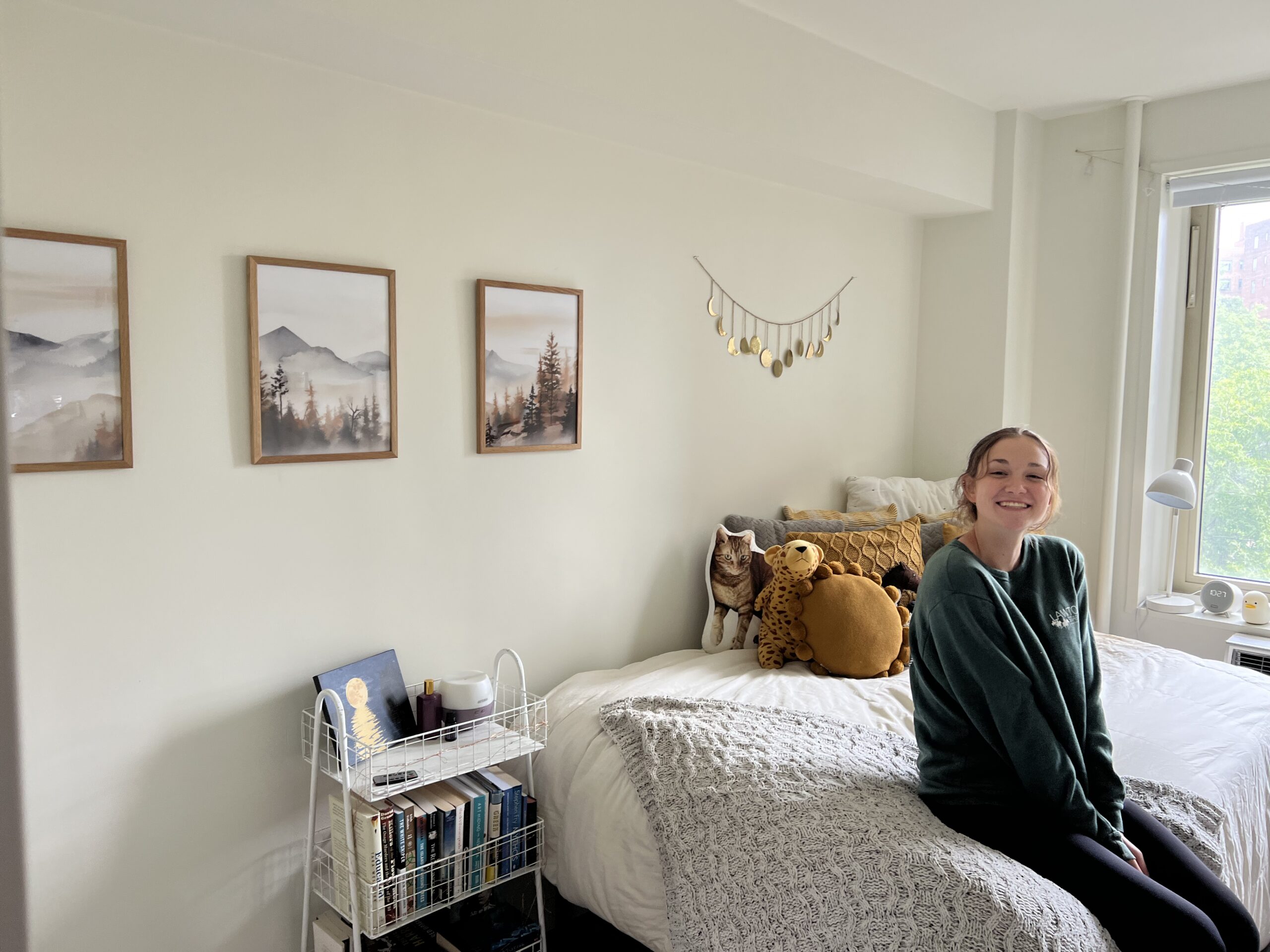
Living With a Roommate at NYU: The Good, the Bad, and the Awkward
From honeymoon phases to hard conversations, here’s what living with a roommate at NYU is really like and why it’s okay if it’s not perfect.

A Glimpse Into On-Campus Housing: Where Should I Choose to Live at NYU?
Admissions Ambassador Olivia offers a peek into on-campus housing to help you decide which residential hall is the best fit for you.