
NYU Tandon has long been known for its engaging work at the intersection of engineering and health. In fact, Tandon students create and shape innovations that change the future of health care. They collaborate with renowned Tandon faculty and their counterparts from NYU Dentistry, NYU Grossman School of Medicine, and beyond. From advanced assistive technologies to treatments for Alzheimer’s, cancer, and more, Tandon is tackling society’s biggest health challenges and engineering a new vision of tomorrow.

Identifying Signs of Disease
In her first-semester Engineering and Design course at Tandon, Aya Ibrahim, a Biomolecular Science major and Public Health minor, helped design a cane for the visually impaired that vibrated as they approached obstacles—the first of many health-related projects she joined and led. Currently, Aya is president of the Tandon Prehealth Student Board. What’s more, she is currently working on her senior thesis, which examines how mitochondrial DNA fragments in the bloodstream can serve as early warning signs for cancer, sepsis, and other conditions. This thesis emerged from a guided studies course—where students complete projects under faculty mentorship—on cell-free DNA and health. Meanwhile, she coauthored a book chapter on the topic with her professor.
“NYU is great at connecting everything in ways that you wouldn’t expect,” says Aya. She’s also done studies on measuring DNA damage with qPCR and the links between folic acid supplementation and cancer. “The most valuable thing I’ve learned is a different way of thinking.”
Engineering Solutions for Joint Health
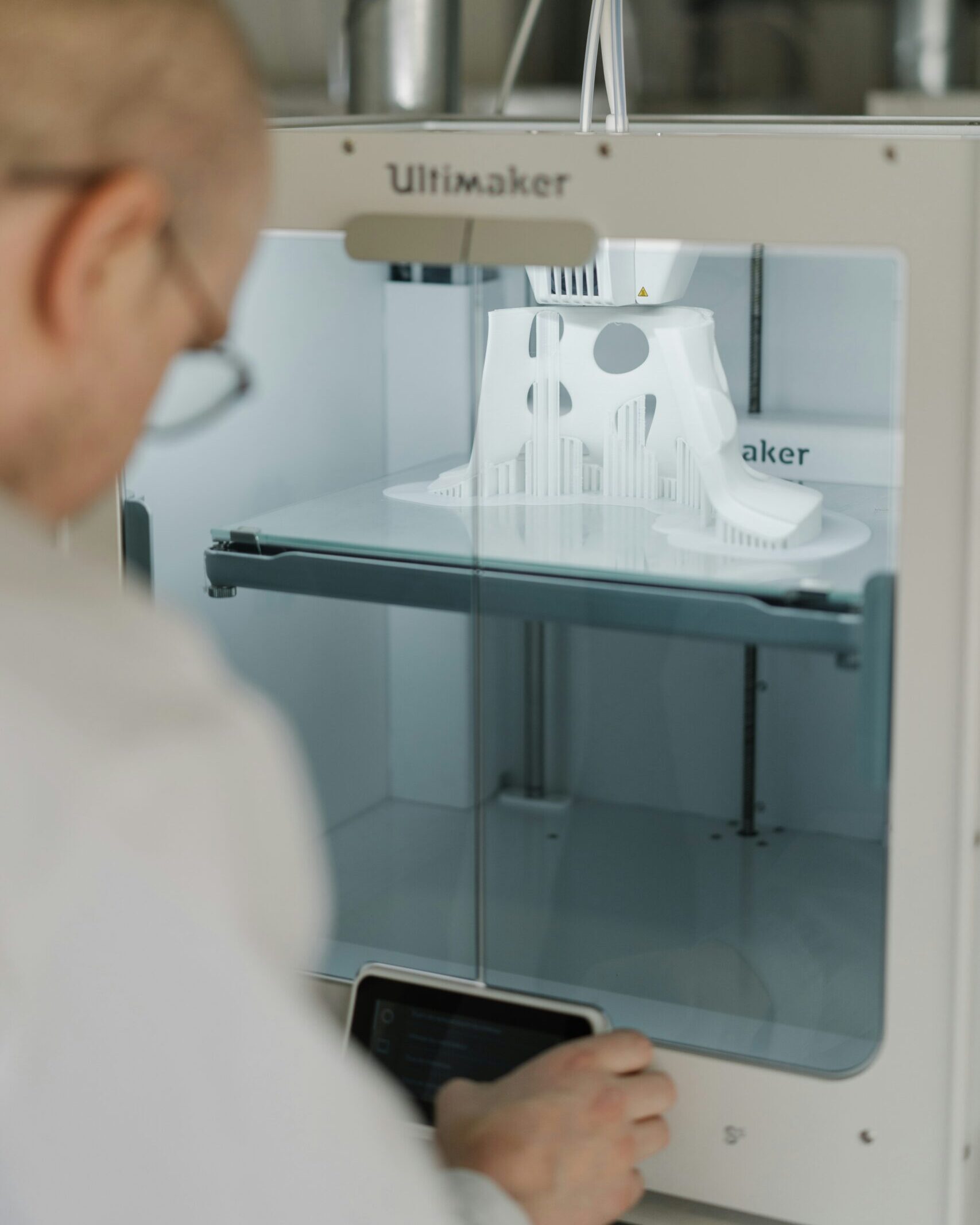
Tandon Class of 2024 graduate Kyra Chen studied Mechanical and Aerospace Engineering with a Biomolecular Science minor. Currently, she is working at NYU Langone Health during a gap year before applying to medical school. Like Aya, her first-year Engineering and Design project helped further her desire to combine engineering and health. The project was a prosthetic hand prototype with 3D-printed parts. Today, Kyra is researching psoriatic arthritis, an autoimmune disease that targets the joints. She gained experience in this area after studying cartilage repair and regeneration therapies for inflamed knee joints as a rising senior in the Undergraduate Summer Research Program.
Working alongside orthopedic surgeons and other doctors, Kyra witnesses engineering applications in medicine every day, including one project where a smartwatch analyzes patient biometrics to predict medication responses earlier and more accurately. “I’m very interested in how we can harness new technology for more efficient and effective care,” says Kyra. “An engineering background is helpful as medicine, and the world at large, becomes increasingly reliant on technology.”
Exploring Dental Research and Practices Worldwide
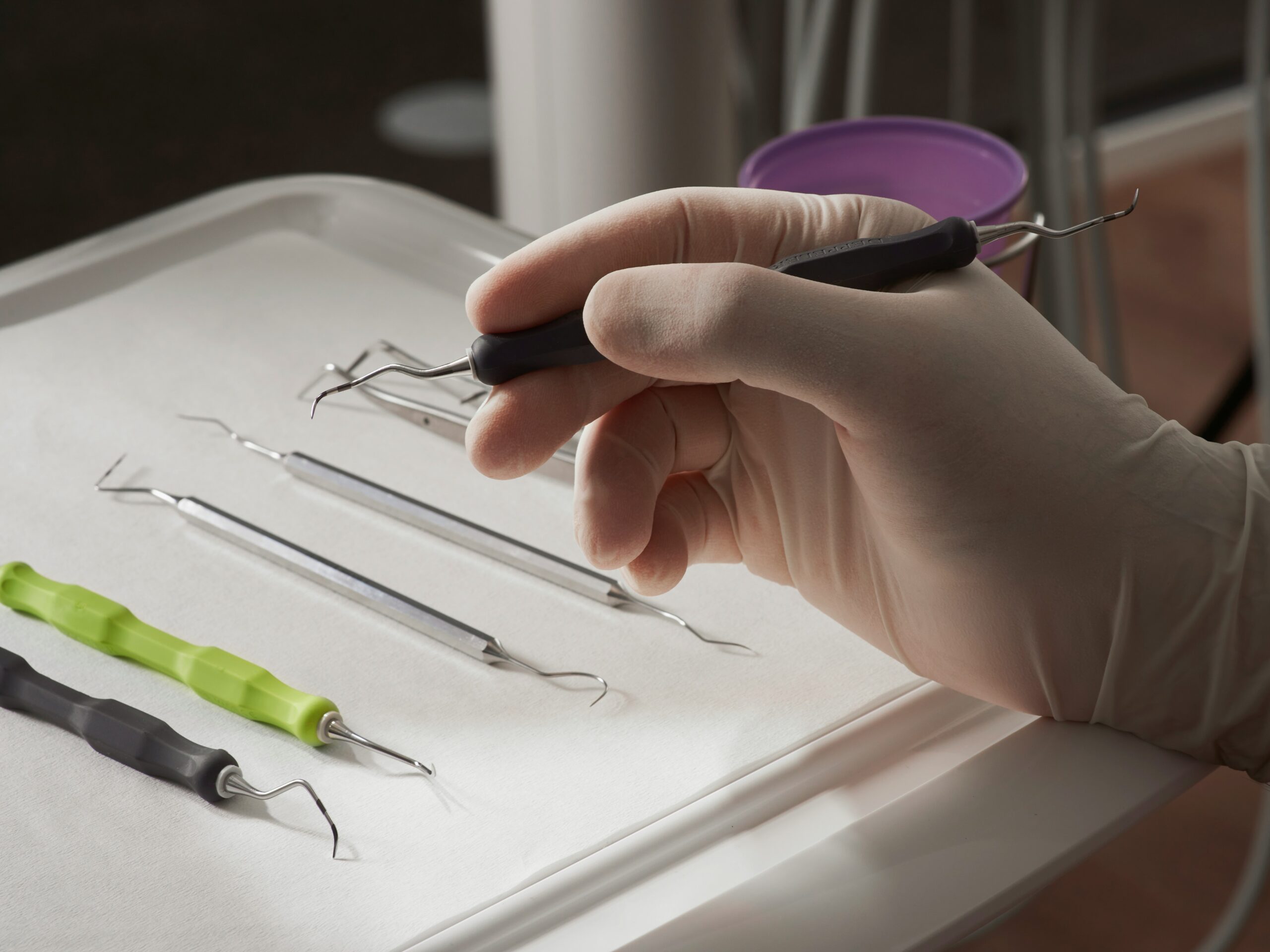
Likewise, opportunities abound for Tandon students drawn to dentistry. Take Fabiha Chowdhury, a Biomolecular Science major with a Public Policy and Management minor. Her research has ranged from analyzing the oral microbiome during a semester at NYU Abu Dhabi to studying novel treatments at NYU Dentistry. What’s more, in a Vertically Integrated Project (VIP), Fabiha is currently ideating sensory-friendly tools for the Oral Health Center for People with Disabilities. Possibilities range from reengineering dental cotton to modifying dental chairs to improve proprioception. “I love that the VIP lets me connect with so many other engineering students,” she shared. “I’ve learned from their expertise and seen how it can apply to health care.”
Through Tandon’s Global Leaders and Scholars in STEM (GLASS) program, Fabiha has also volunteered at dental clinics in Japan, Sri Lanka, and Kenya and attended the World Congress on Dental Traumatology. “This program prioritizes exposure. That’s something I appreciated from the get-go at Tandon,” she says. “I’ve been able to see dentistry in a whole new perspective.”
Advancing Pharmaceutical Innovation
Faris Gomaa, a Biomolecular Science major and Creative Writing minor, once preferred independent work. However, his NYU experience—from course projects to the summer research program to helping a professor write a scientific publication—changed his mind. “In engineering school, you learn that collaboration is a necessity. It makes things better, too,” he says. “Whether in a lab or a hospital, you need to realize that everybody is contributing something, and you can learn from all of them.”
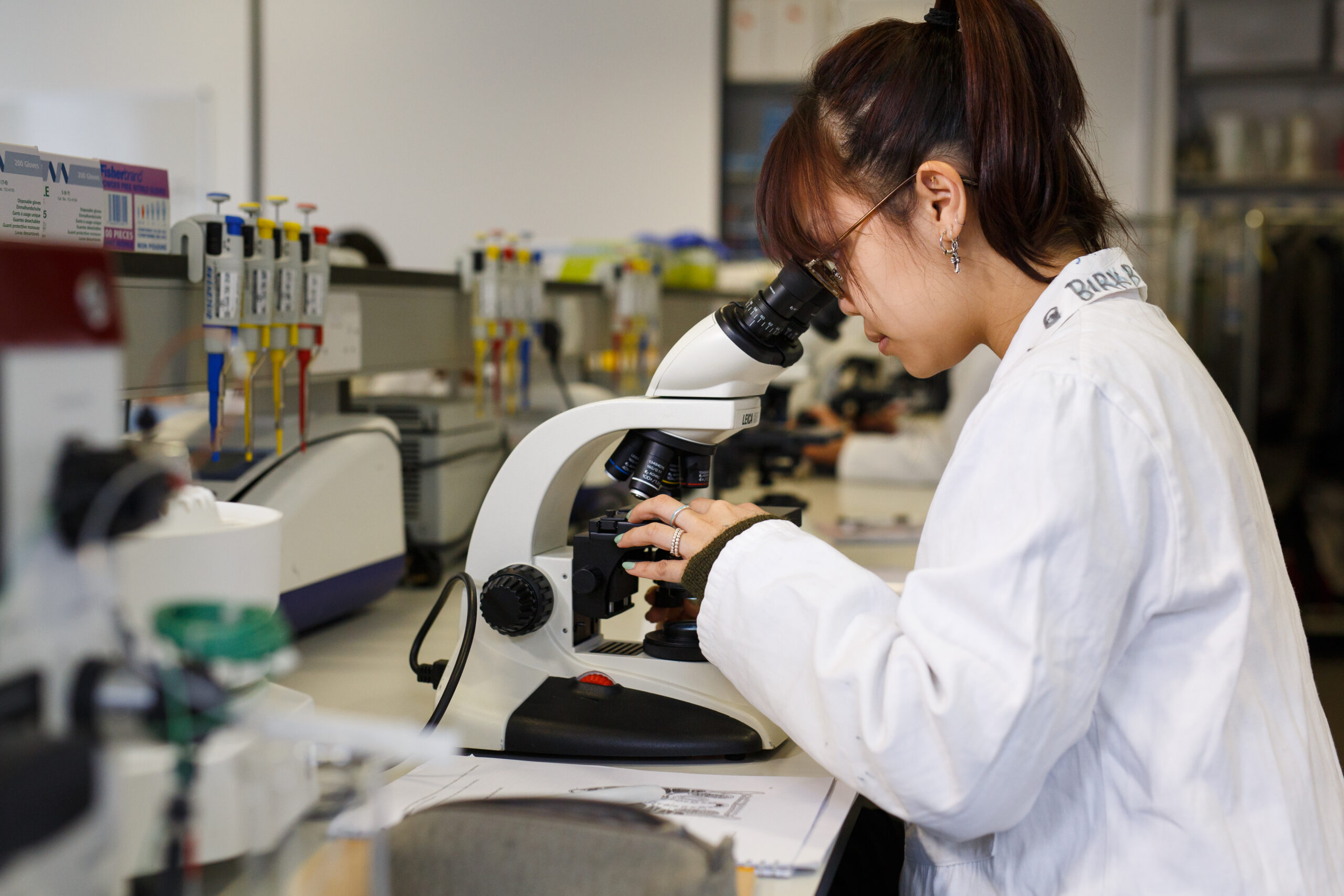
Over the summer, Faris collaborated with a PhD candidate on a project that used a laser to extract crystals from saturated solutions. The work merged chemistry, physics, health, and engineering, and could simplify pharmaceutical purification and production. Lately, Faris has also been thinking about how health care systems can leverage engineering principles like efficiency and waste reduction to benefit their patients and communities. “Tandon encourages a well-rounded education while pushing you past your comfort zone,” he says. “It is such a versatile school, and the engineering mindset applies to health in so many ways.”
Related
Exploring Engineering Pathways at NYU Tandon
Explore different engineering majors offered at NYU Tandon as well as diverse career paths offered in each field.
Meet the NYU Tandon School of Engineering
At NYU Tandon, engineering students can access the resources to create and innovate among some of the world’s most talented engineering faculty and peers.

Health Equity at NYU
At NYU, we believe that health care is a basic human right. We are preparing students to become outspoken advocates for health equity through education, research, policy work, and outreach.