Published March 23, 2026
Connecting the Dots in Global Public Health and Nursing

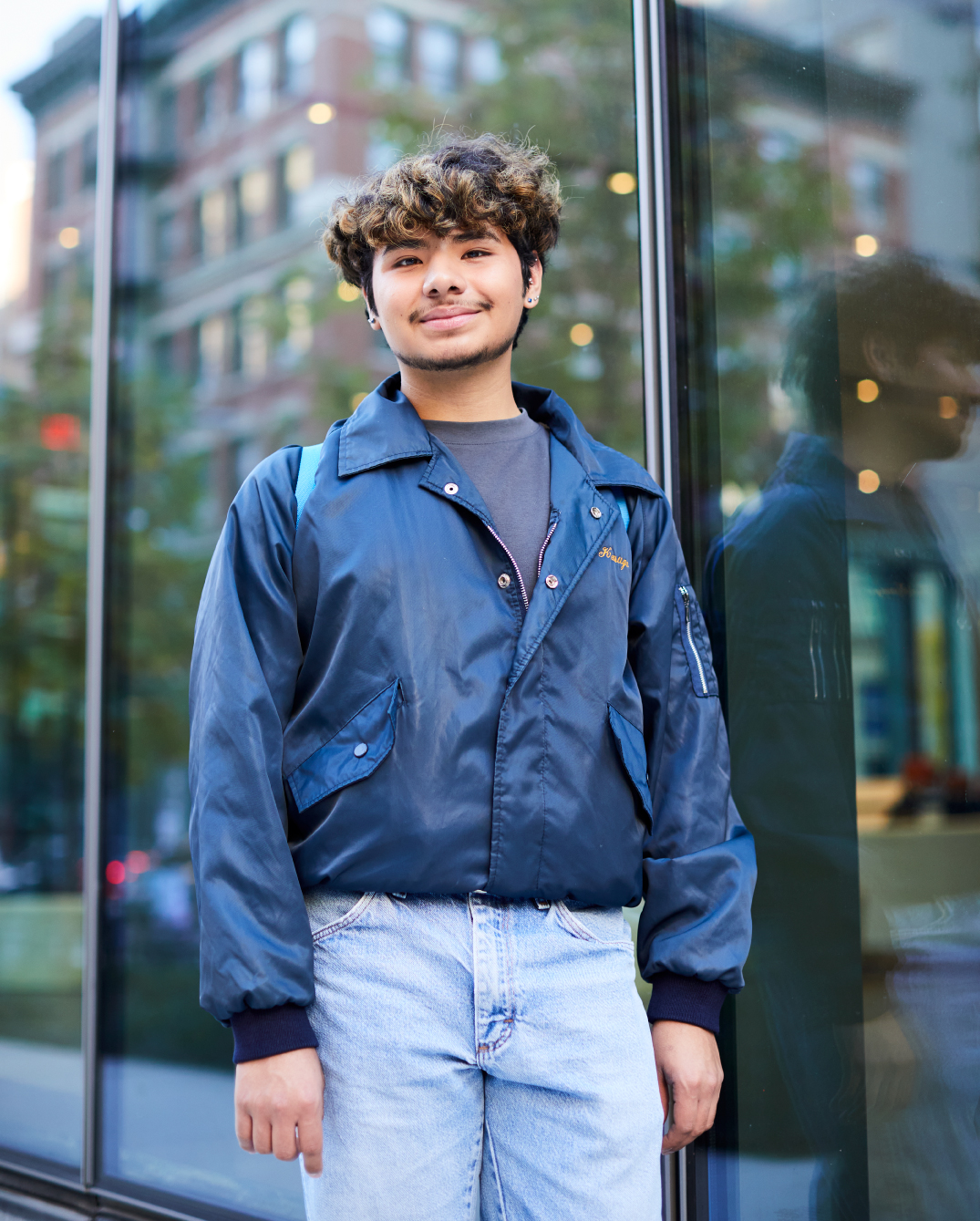
When Edgar Pio Gracia first came to NYU from New Mexico, he knew he wanted to study the environment. Edgar viewed college as an opportunity to expand his horizons. He wanted to explore the big city and “experience life outside of [his] little bubble.” He quickly looked for opportunities to get involved in improving the environment of the local community, wondering how he could take action and witness his impact.
Bridging the Environment and Health
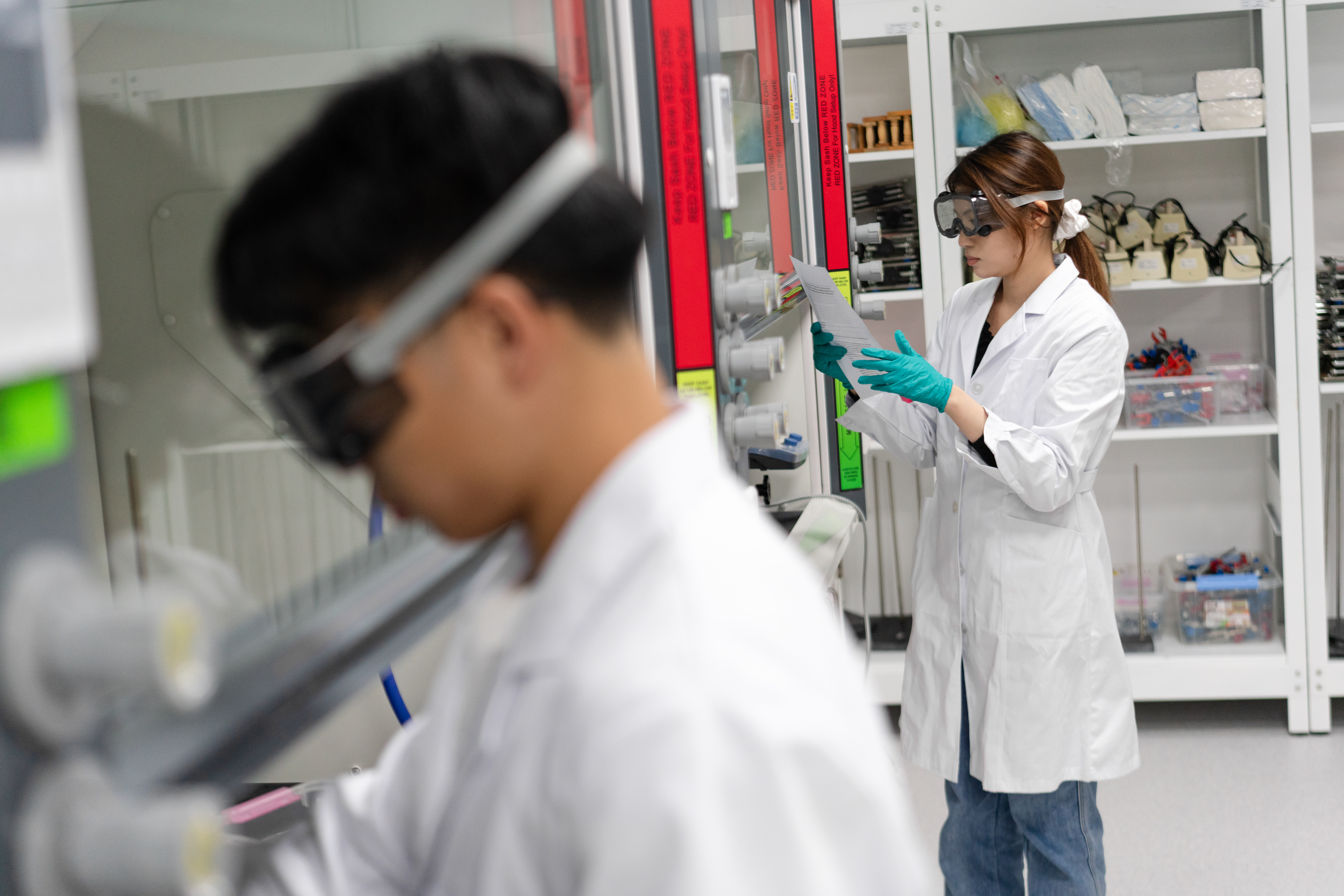
Edgar originally declared an Environmental Studies major. However, he changed his mind after taking part in an internship with the Bronx River Alliance. Here, he began to notice a correlation between environmental conditions and health outcomes.
“We did a project pinpointing combined sewage outfalls. We noted which ones were being reported to the state and which were not. A lot of times, we found sheer-looking water surfaces, which indicated that there was a contaminant present,” he says. “I realized there’s unexpected overlap between health outcomes and the environment. And that environmental contaminants affect a lot of communities.”
Discovering Global Public Health and Nursing
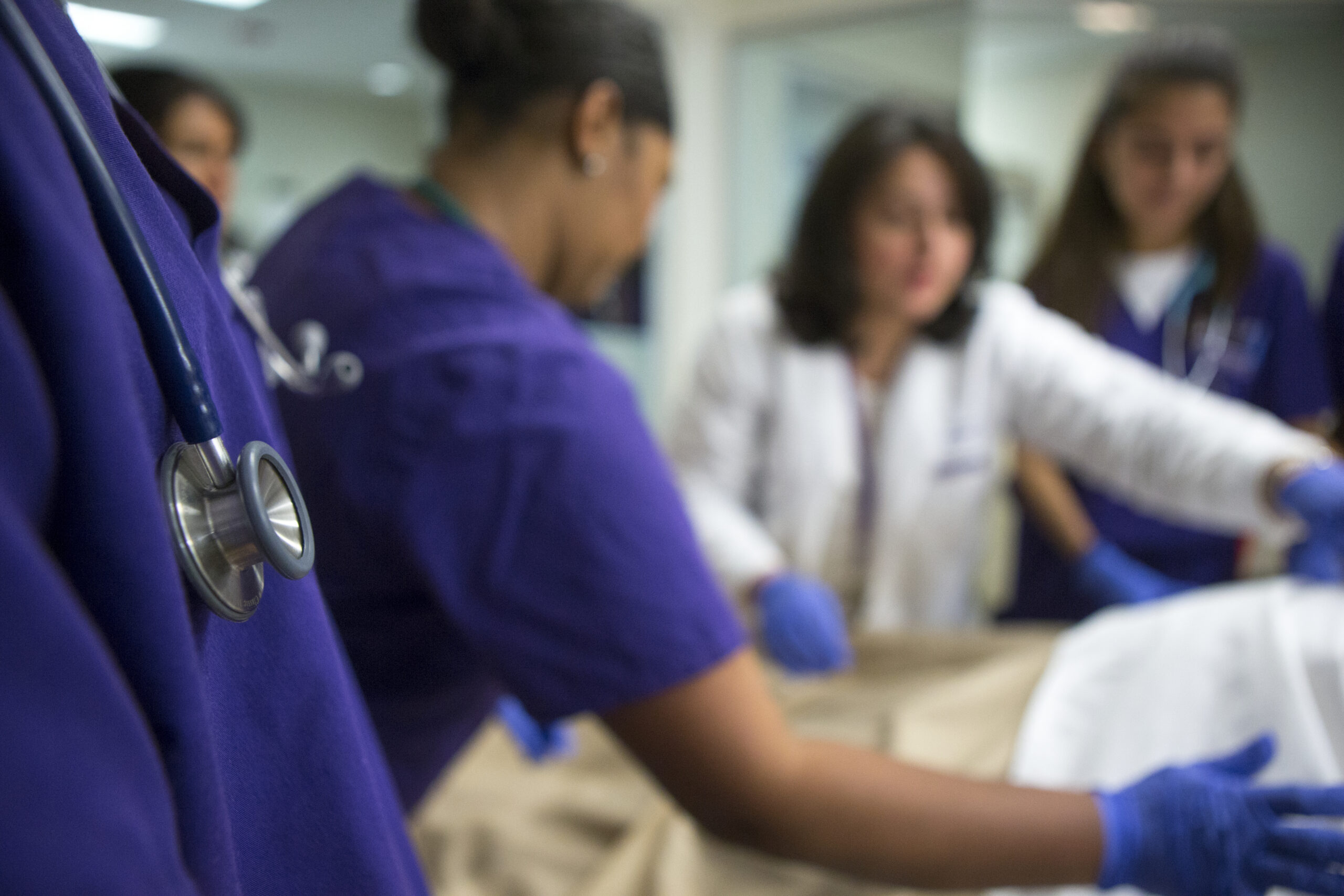
This experience inspired Edgar to change his major to Global Public Health/Nursing. In the Global Public Health program, students combine the study of public health with one of 13 majors. Through Global Public Health and Nursing, he says, “I’ll be able to take bedside care and translate that into the details we need to transform policy. What’s more, I’ll get direct experience of what it’s like to go through the system. I’ll learn how I can take the initiative to redesign it.”
Global Public Health/Nursing majors complete the same clinical hours and coursework as other Nursing majors at NYU. They also have access to world-class clinical education settings. This includes the 10,000-square-foot Clinical Simulation Learning Center. Here, nursing students practice their skills in a high-tech hospital simulation that includes state-of-the-art equipment such as computerized mannequins. Finally, they graduate with the prerequisites to take the National Council Licensure Examination (NCLEX) and earn their nursing license.

Gaining Global Public Health Experience in Buenos Aires
Even with rigorous clinical and academic requirements, Edgar, who is set to graduate in spring 2026, was able to study away for a semester at NYU Buenos Aires. He stayed with a local family and took courses toward his degree while also gaining real-world experience in global public health. Edgar worked at a public health internship translating documents on local cases of Chagas disease—an infectious disease common in warm climates spread by the triatomine bug. As a result, his work contributed to a critical step in establishing a global information network on the fast-spreading disease.
The semester was transformative: “NYU Buenos Aires is a very small, tight-knit community,” he says. “I made lifelong friendships there. And I realized more of my place in my career.”
Focusing on the Future
With graduation on the horizon, Edgar is balancing an internship at the New York Department of Health and Mental Hygiene with a heavy course load. He is preparing intensively for the NCLEX while thinking through his next steps.
“I would love to start off as a nurse, then slowly transition toward public health nursing and eventually work with agencies back home in New Mexico,” he says.
Though he switched his academic focus from the environment to health care, his path has underscored the vital connection between the two subjects. This has equipped Edgar to approach community outreach with a holistic approach that considers environmental factors in public health.
“I’d like to learn how to establish my own farm cooperative to help the people from home feel represented in the work they do,” he says.
After NYU, Edgar knows that anything is possible. “NYU has always been a university that allows you to take those risks, bridging what you thought was impossible into something that is actually possible,” he says. “At first, I didn’t think doing something environmental and nursing-related was an option, but being here really opened up those opportunities for me.”
Related
New Major Spotlight: Health and Wellbeing Studies
NYU Steinhardt’s new undergraduate major in Health and Wellbeing Studies is its most flexible degree yet.

Engineering the Future of Health at NYU Tandon
NYU Tandon students create and shape innovations that change the future of health care through an engineering mindset.
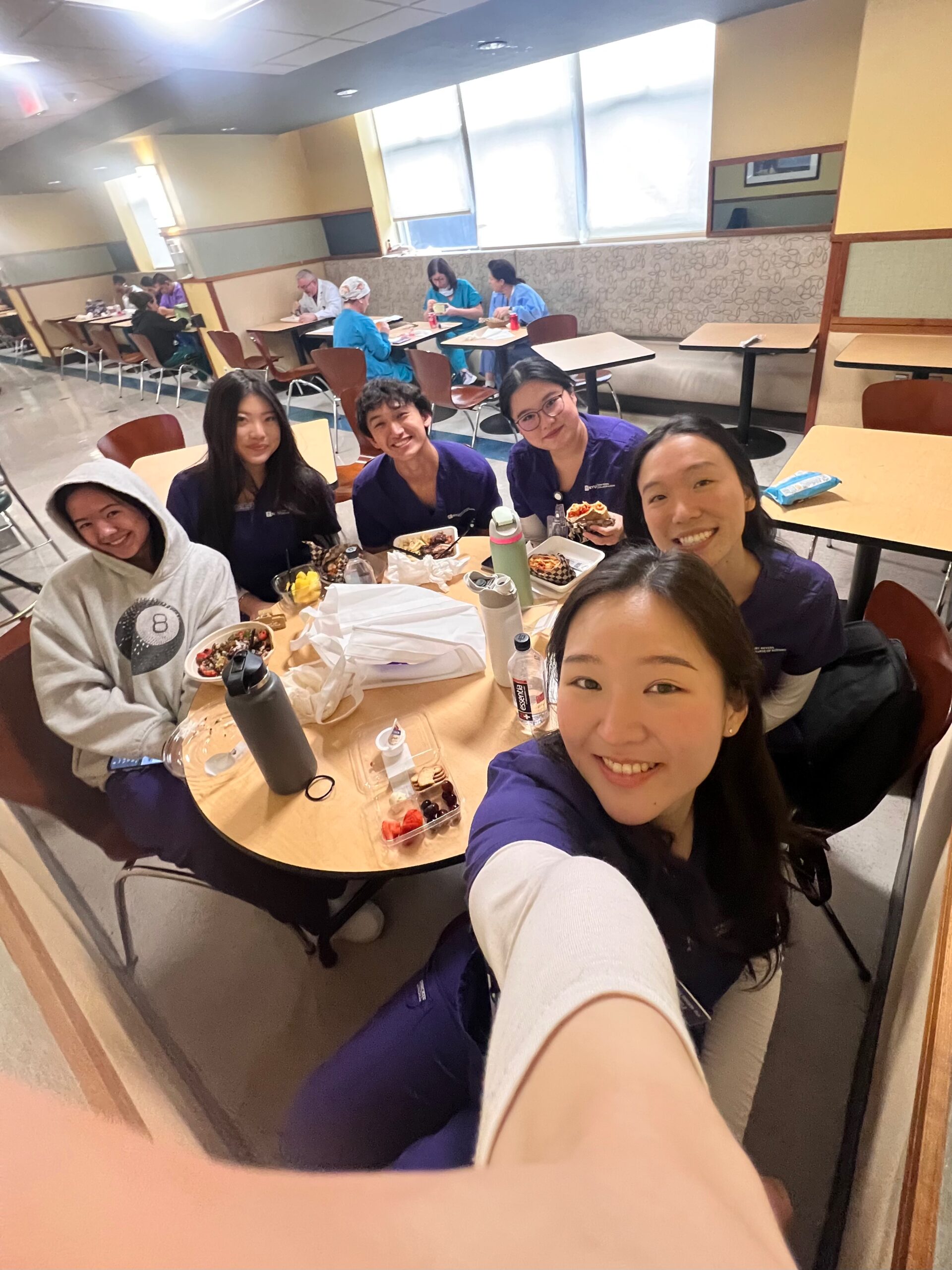
Building Bridges in Health Care: The NYU Meyers Interprofessional Education Scholarship
Learn how the NYU Meyers IPE Scholarship offers full financial support and clinical experience for junior nursing students.