
For more than three decades, NYU has been a constant in Matthew Campisi’s life. He first came to the University for his bachelor’s and master’s degrees in Electrical and Computer Engineering. There, he met his future wife (who was in the same BS/MS program) before classes even began. After graduating in 1996, Campisi started teaching at the NYU Tandon School of Engineering while simultaneously building his industry career. Today, he is an industry associate professor of electrical and computer engineering, teaching hundreds of students each semester. As both an educator and engineer, Campisi has a clear goal: to use his skills to make a difference and help others do the same.
Innovation with Purpose
Campisi’s approach to engineering was shaped by a deeply personal experience. His wife’s family carries a genetic mutation associated with breast cancer, and he watched many of her family members develop the disease at a young age. His wife lived with the constant fear that she, too, would face a breast cancer diagnosis. “It’s a horrible way to live,” he says.
To pursue a solution, Campisi quit his job. Rather than inventing something entirely new, he looked for existing technology he could adapt to screen young women like his wife. That work led to developing a handheld tool for early breast lump detection. The battery-powered device allows health workers with minimal training to identify lumps in minutes without pain or radiation. Today, nearly 3 million women in 12 countries have received scans.
For Campisi the experience reinforced his belief that finding practical solutions to real problems is what engineering is all about—a lesson he considers vital for the next generation of engineers. “There are parts of the engineering process you can’t get from textbooks or online resources,” he says. “What’s not online is how to identify problems, think critically, and use the tools in your toolbox to actually do something that has impact.”
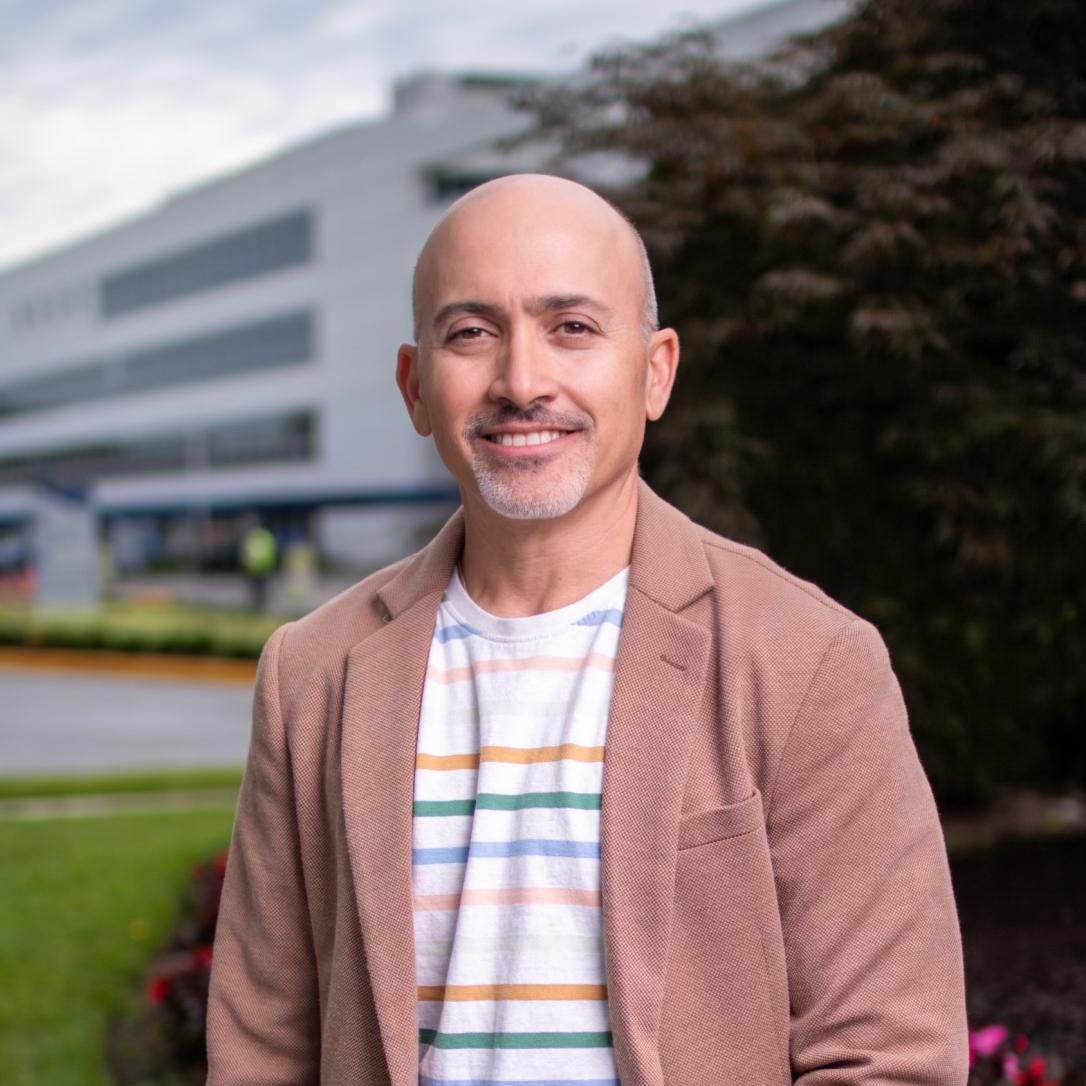
NYU Professor and STEM Center Mentor Matthew Campisi
Solving Problems That Matter
That focus on impact is at the center of Campisi’s teaching. Among his former students is Adam Simpson. When Adam was questioning whether Electrical Engineering was the right major for him, Campisi helped reignite his passion for the field. “His enthusiasm and the way he taught lit that fire again,” Adam affirms. “It wasn’t about just crunching numbers. It was about finding solutions to problems.”
Darren Kuo, a student in the BS/MS electrical engineering program, agrees that Campisi excels at showing students the practical side of their studies. “Professor Campisi brings experience from the entire engineering process, not just the technical design. He taught us to approach problems not only from an engineering perspective, but also from the perspective of the end user,” Darren says.
That real-world approach is also at the heart of the NYU Tandon Impact Innovation Lab, where Campisi helps seniors turn their ideas into reality during their two-semester design capstone. With many student projects inspired by issues facing loved ones, he sees those personal connections as a powerful source of innovation. “I like to teach students to pursue things that get you excited and keep you up at night,” he says. “You need the mathematical rigor and technical prowess, but there is more that goes into making something successful.”
Campisi brings that same philosophy to Computer Engineering for Good, a summer program through NYU Tandon’s Center for K12 STEM Education. Working with local high school students, Campisi helps them use engineering to address real-world challenges, from monitoring air quality during wildfires to helping caregivers track people with Alzheimer’s disease. “These students aren’t just learning how to code,” he explains. “They’re learning how to use electrical and computer engineering to make the world better.”
A Community of Collaborators
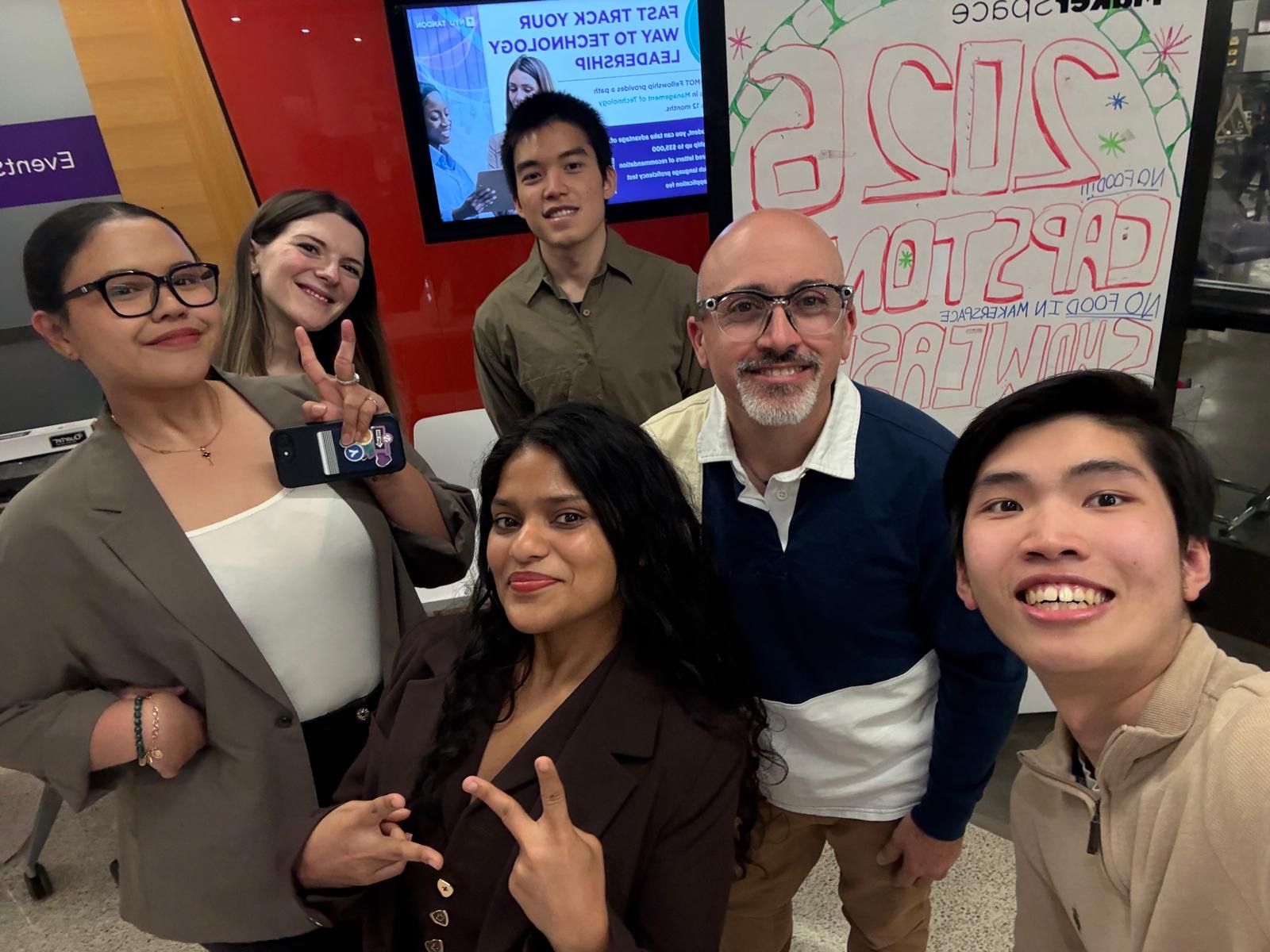
For Campisi, collaboration is essential. He frequently works with faculty from the NYU Grossman School of Medicine, including a recent project developing tools to help patients and caregivers manage Parkinson’s disease. Campisi also emphasizes teamwork in his classes, regularly bringing in clinicians and experts from outside Tandon to expose students to new perspectives.
“Doctors think of problems a certain way. Engineers think of problems in a very different way. To interact with them and understand what they’re thinking is so inspirational,” he says. “I really enjoy getting involved with all the different resources NYU has.”
After more than 30 years at NYU, Campisi has experienced the University’s spirit of collaboration and community from many angles. When he returned to earn his PhD, his advisory board included the same professors who had advised him during his master’s work decades earlier. “It was such a touching, full circle moment to be in front of professors that I used as models for almost my entire academic and industry career,” he says.
For Campisi, that experience was a reminder of how much NYU has shaped his life—and why he continues to invest in helping a new generation of students shape what comes next.
Related
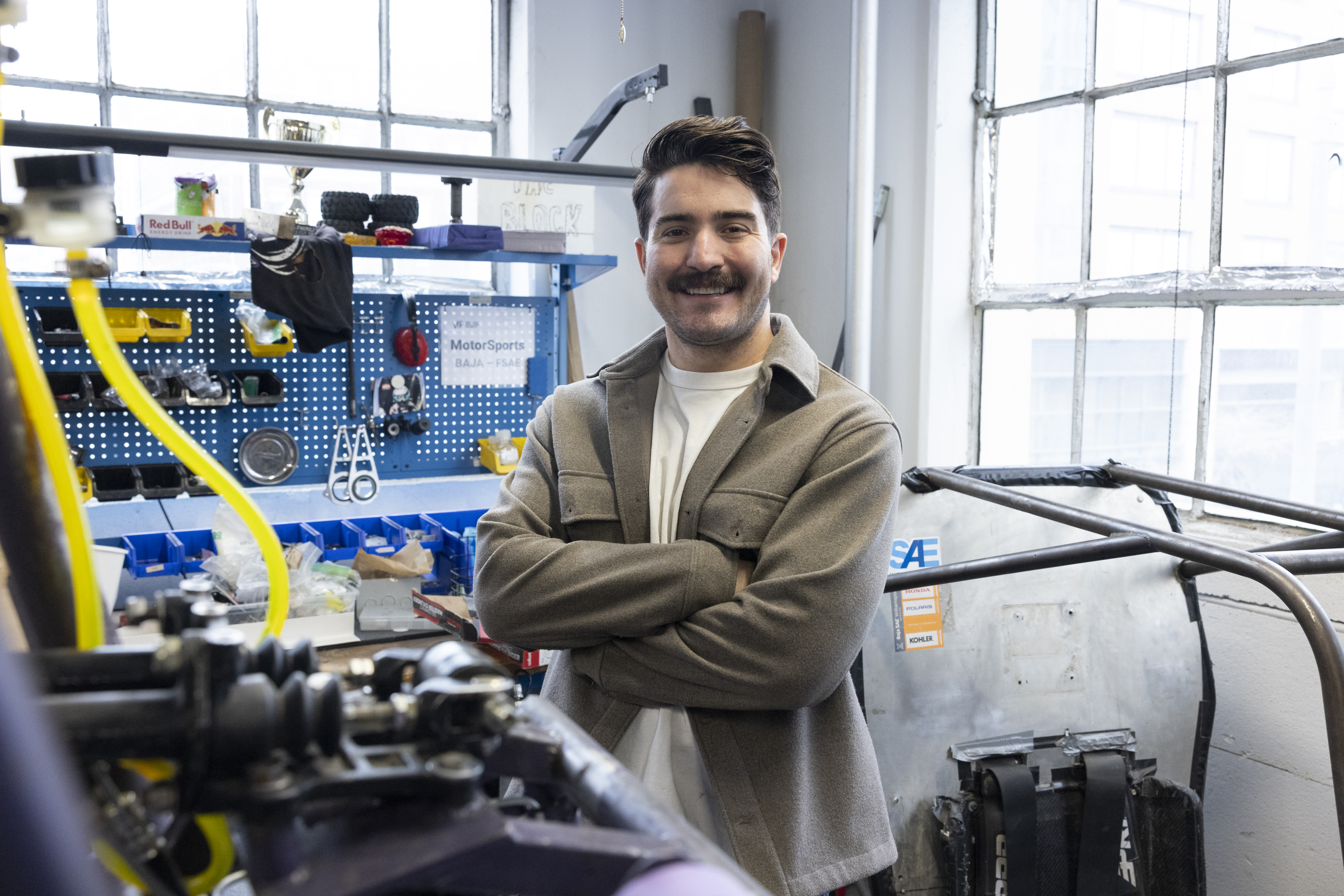
How an Air Force Veteran Landed at the NYU Tandon School of Engineering
For Vinnie Gallegos, NYU included nuclear fusion research, music production, and leading a team that built experimental racing vehicles.
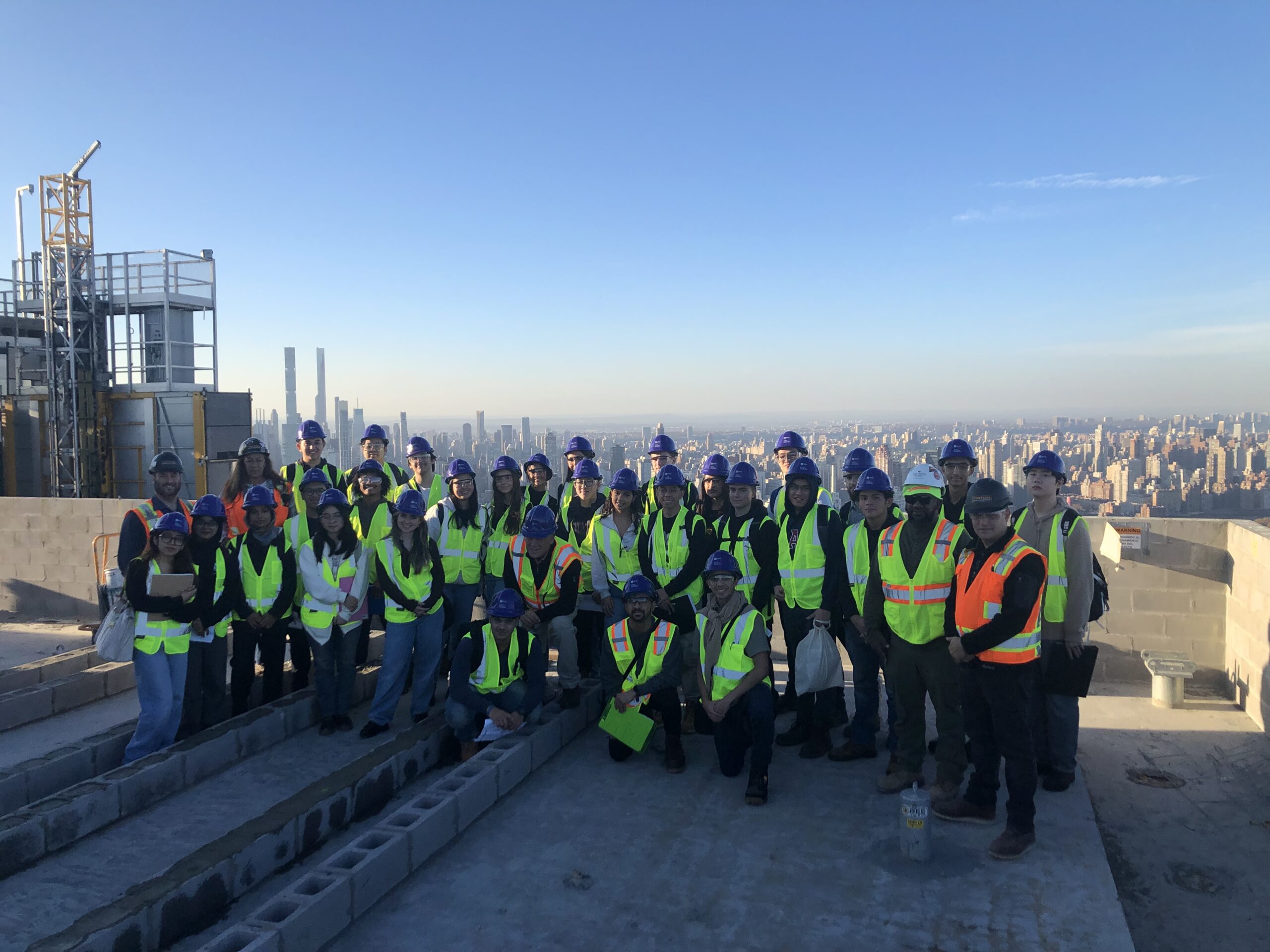
What It’s Like to Minor in Construction Management at NYU Tandon
Curious what it’s like to study Construction Management at NYU? Civil Engineering student Jennifer takes you inside her experience with a minor that connects engineering, design, and real-world building.
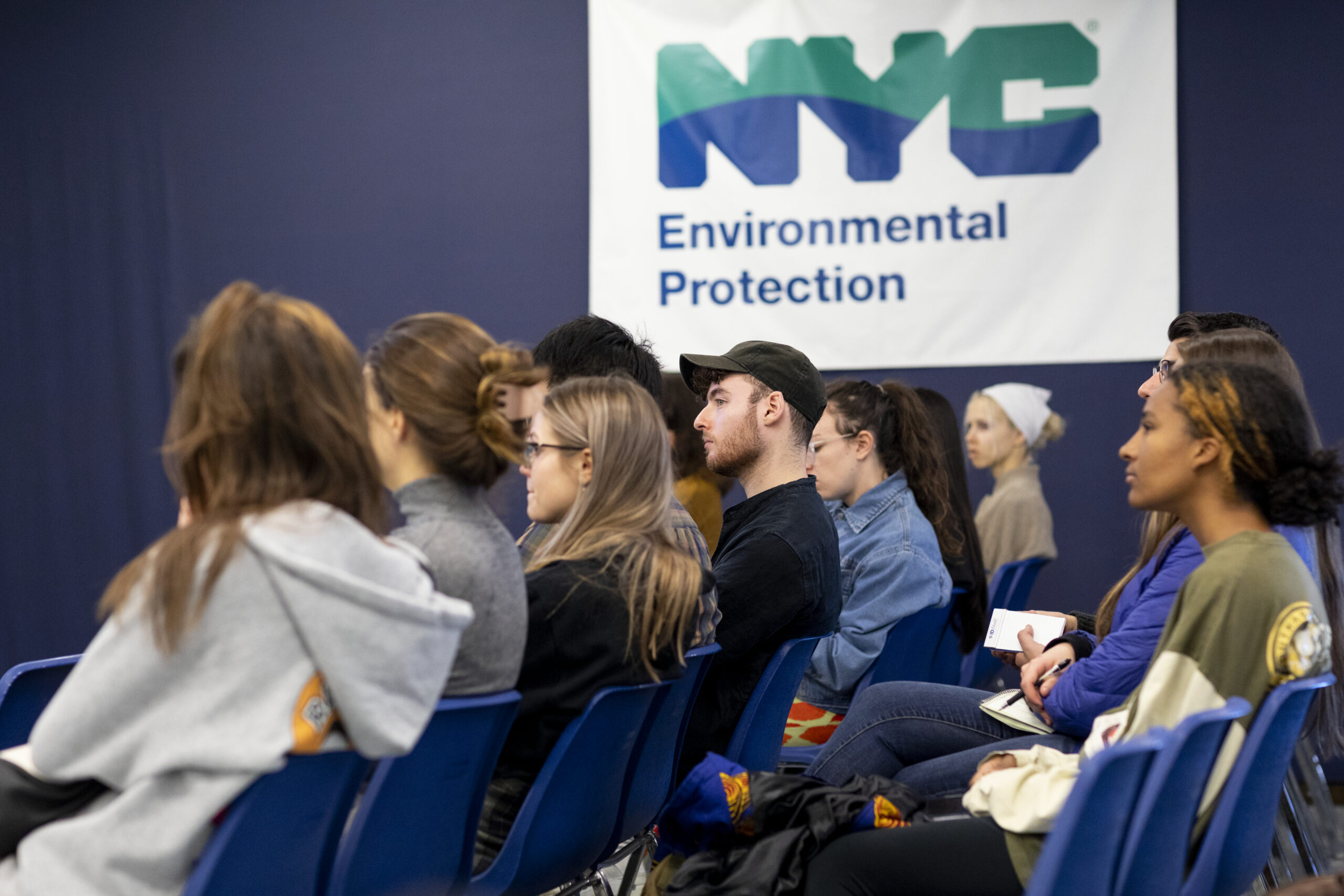
With NYU Tandon’s New Environmental Engineering Major, Ideas Meet Impact
NYU Tandon’s new Environmental Engineering major combines sustainability and policy to tackle today’s global challenges.