

Conversations about health and well-being dominate everything from mainstream media to podcasts to social media feeds. Everyone seems to be searching for the secret to a healthier life. But few people realize that health is shaped by much more than diet and exercise. As a result, NYU Steinhardt School of Culture, Education, and Human Development created a new major in Health and Wellbeing Studies. Through this program students learn about the complexity of health and the different factors that can influence the well-being of people and communities.

A Major That Brings Well-Being to Life
The World Health Organization defines the concept of health as “a state of complete physical, mental and social well-being and not merely the absence of disease or infirmity.” But what exactly does “well-being” mean?
“There isn’t a clear definition for the word itself or a singular definition being used across disciplines,” says Domingo Piñero. He’s a clinical professor of Nutrition and Food Studies at NYU Steinhardt. “People often associate well-being with work-life balance or feeling good about themselves. On the other hand, academics tend to discuss psychology or the economics of feeling good. However, Steinhardt’s new program highlights health and wellbeing as multidimensional concepts shaped by cultural, biological, psychological, and social factors. As a result, students who adopt this ‘big picture’ mentality will be able to pinpoint health disparities in different groups and communicate where they came from. Obviously, these are important skills for health professionals to have.”
Interdisciplinary Coursework
Steinhardt’s new major in Health and Wellbeing Studies is a 128-credit interdisciplinary, nonclinical major. Additionally, it blends coursework in applied psychology, nutrition and food studies, communicative sciences and disorders, media studies, and health and arts therapies.
Specifically, the program’s curriculum includes five main components:
- College CORE Curriculum
During your first two years at NYU, you’ll take courses that meet the core liberal arts requirements for undergraduates, including subjects like foreign language, expository writing, and foundations of contemporary culture and scientific inquiry. - Foundation Courses
Next, you’ll take two foundational courses to build the groundwork for future exploration in health and wellbeing. - Core Area Courses
In your junior and senior years, you’ll take advanced courses in each of three core areas: psychology and society, community and global health, and disability studies. - Concentration
After completing your core area courses, you’ll choose one area (or create a new one with your adviser) for deeper exploration through additional coursework. This will become your concentration for the program. - Culminating Experience
Finally, in your senior year, you’ll complete an internship or research project. It will allow you to apply everything you’ve learned throughout your academic journey. Your culminating experience will largely depend on your concentration.
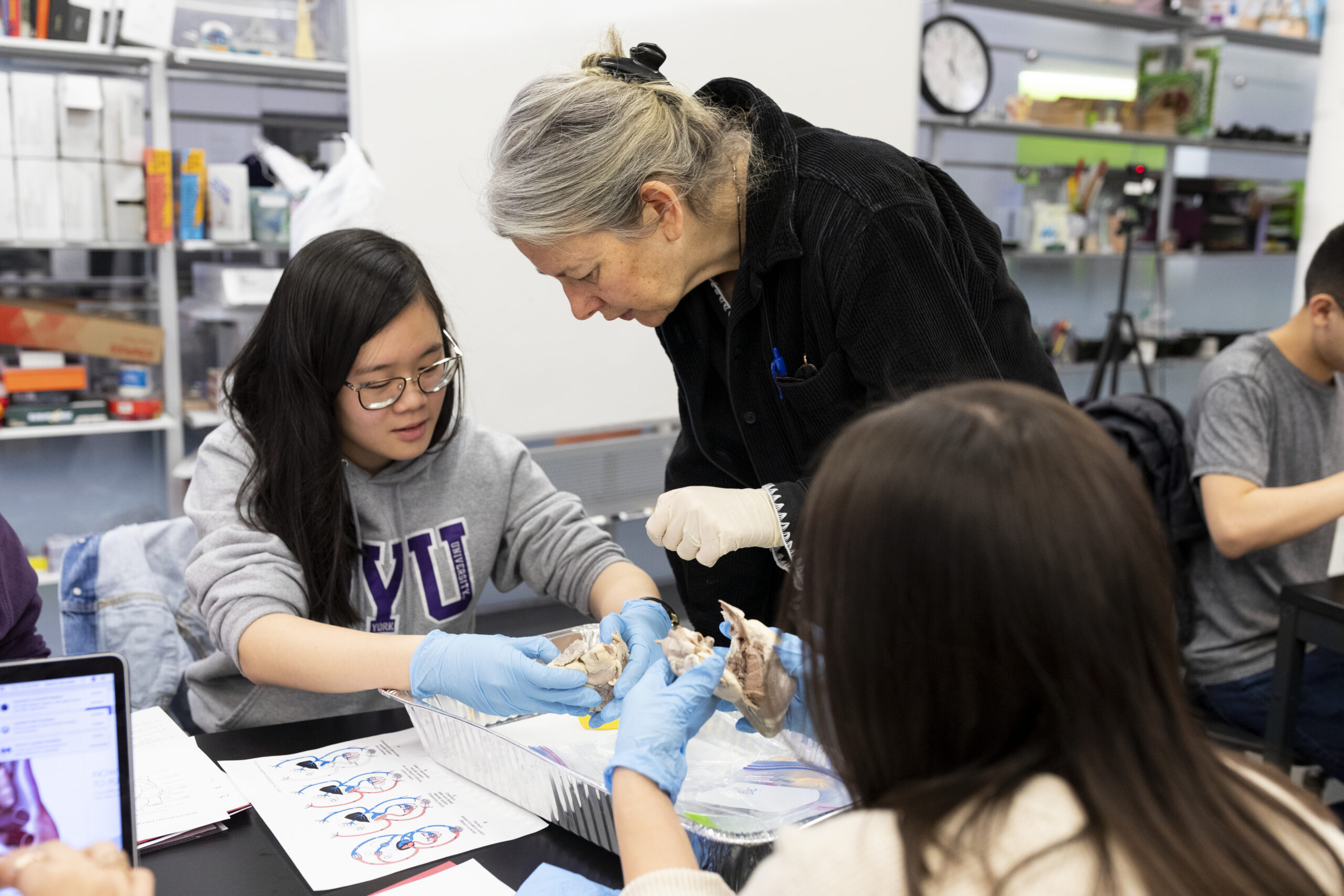
Room to Explore
Even with its program requirements, the Health and Wellbeing Studies major leaves room for 28 credits of unrestricted electives. This means you have the opportunity to explore other passions. Maybe you love art or want to pursue a minor in Philosophy. Or maybe you’re interested in literature, dance, or classical mythology. No matter your passion, you’ll have space to pursue your goals outside of health.
“The degree is designed to be flexible so students can pursue the things that interest them most,” affirms Professor Piñero. “So, you can be premed, predental, or prelaw. There’s room for you to fulfill those prerequisites while also gaining a broad understanding of health. This degree is very open, so students have a lot of choice when it comes to their coursework.”
Furthermore, regardless of your concentration, Steinhardt’s vast network makes it possible to find an internship in nearly any field. “We have a lot of experience placing students in internships and fieldwork with many different organizations,” says Lindsay Wright. She’s Steinhardt’s associate dean for institutional effectiveness. “We have connections in the arts, local community organizations, and the UN. The beauty is that we’re in New York City, so there are plenty of opportunities to connect students to an impactful experience.”
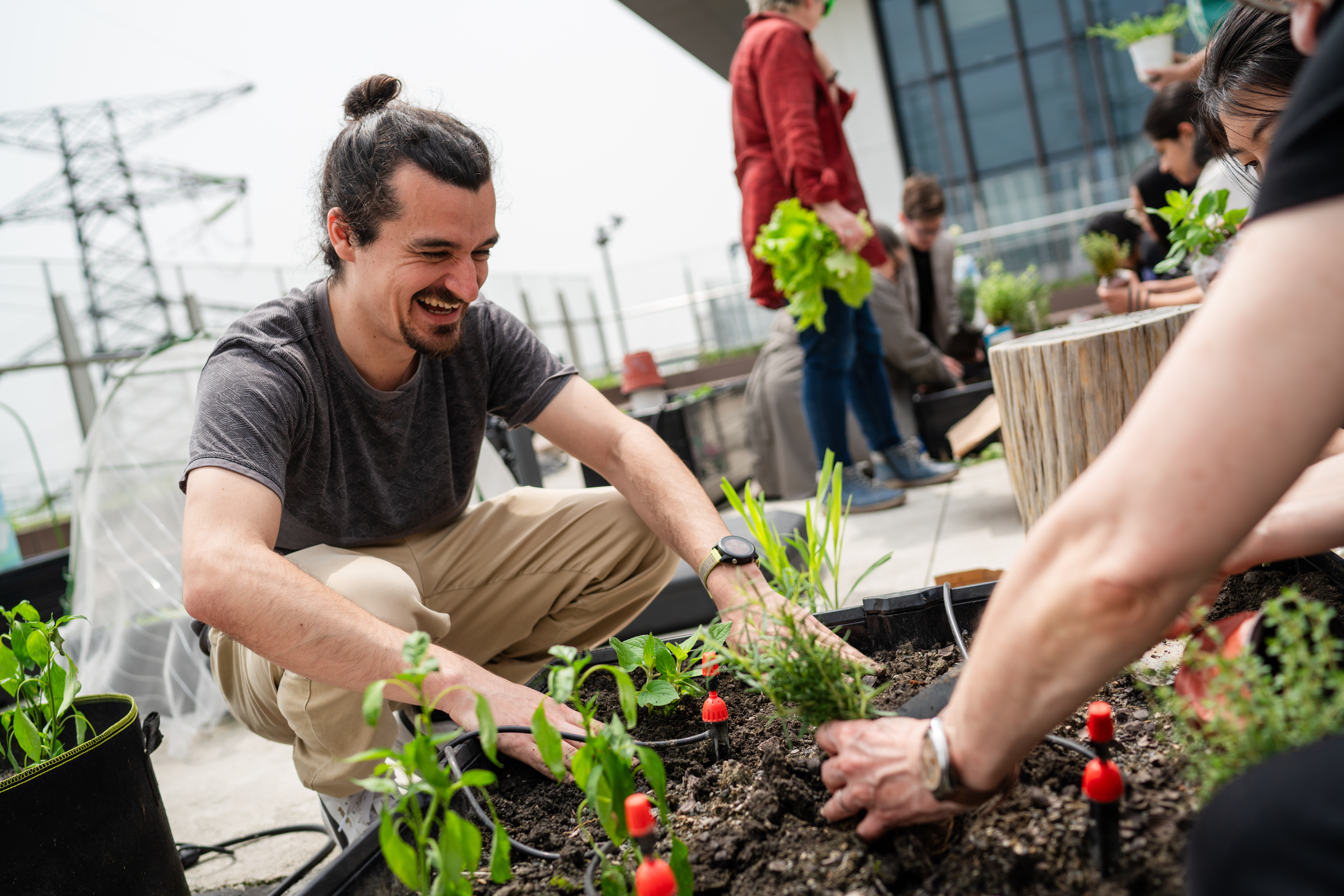
Prepare for Different Paths
The Health and Wellbeing Studies major prepares students to move forward in an industry that requires graduate degrees for many entry-level positions. For instance, even if you plan to pursue medicine, this degree can help you stand out from the crowd.
“Years ago, medical schools only looked for people who did premed, prehealth and chemistry, or something similar in college,” says Professor Piñero. “Nowadays, medical schools look for people with more diverse backgrounds. Our program gives students a strong foundation in health and well-being plus the flexibility to build skills in other areas, preparing them for medical school or whatever comes next. This program serves as a baseline for a lot of different paths.”
Related

With NYU Tandon’s New Environmental Engineering Major, Ideas Meet Impact
NYU Tandon’s new Environmental Engineering major combines sustainability and policy to tackle today’s global challenges.

Not Just a Cooking Major: What It’s Like to Study Nutrition at NYU
Studying nutrition at NYU comes with an exciting curriculum and many incredible opportunities that depend on which track you choose.

Changing Majors at NYU? It’s Possible!
Get an insider perspective on changing majors, and how to find your niche in college.