Published March 19, 2026
Engineering Reimagined: 5 Advantages of Studying at NYU Tandon


Image: © NYU Tandon School of Engineering – Contact Information and FAQ, Department of Technology Management & Innovation.
Engineering schools have a reputation for being intense, intimidating, and, honestly, a little bit scary. Before I got to NYU Tandon, I pictured long nights alone in the library, silent classrooms, and labs where you needed to already know everything before you walked in. But once I actually became a Tandon student, I realized how different the experience is here. Yes, the academics are challenging, but the environment is collaborative, supportive, and full of opportunities to explore your interests from day one. Tandon isn’t your typical engineering school, and that’s exactly what makes it so exciting.
1. A Culture of Collaboration, Not Competition
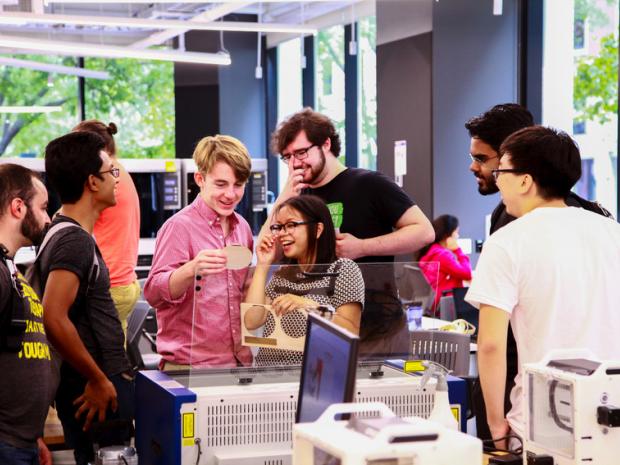
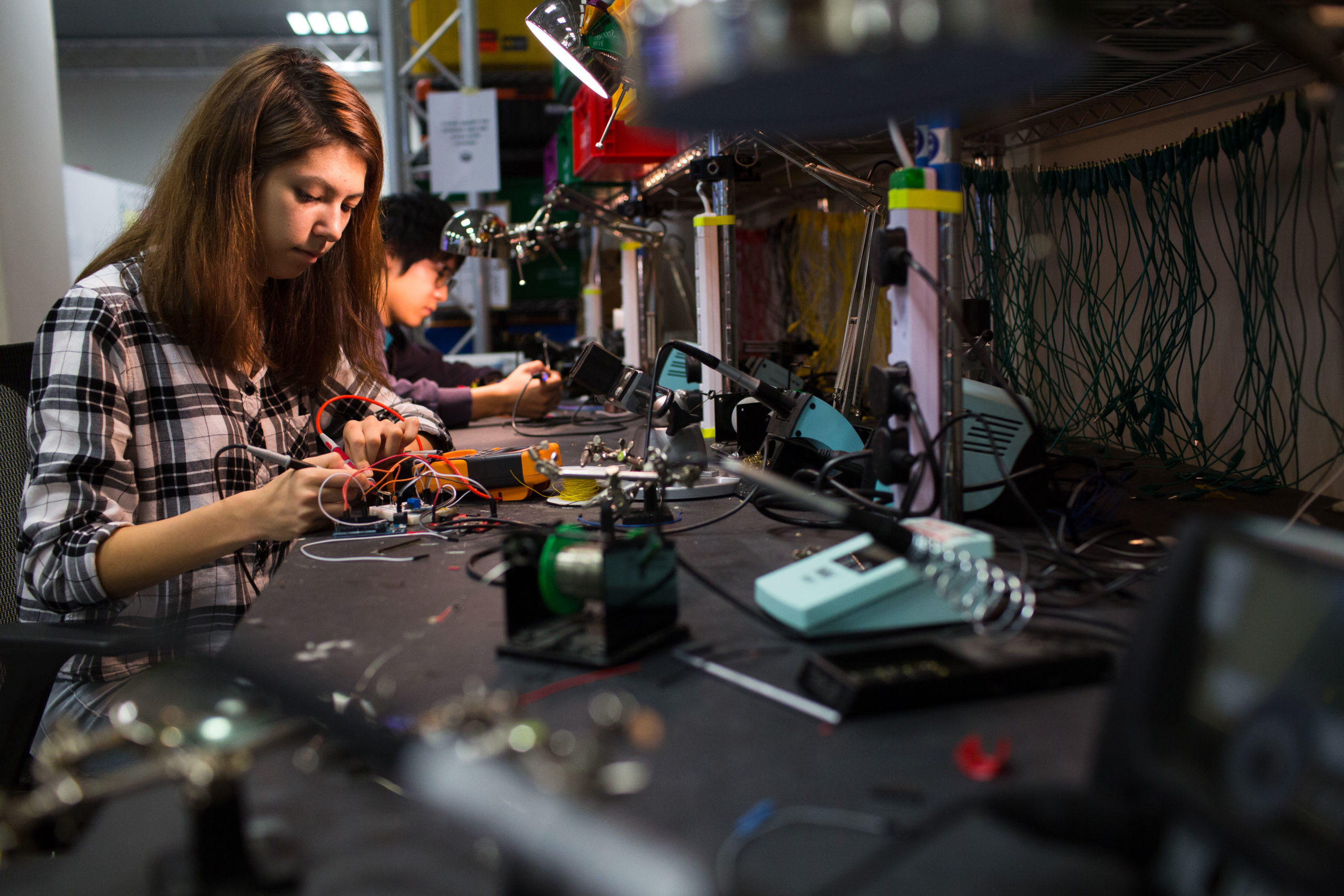
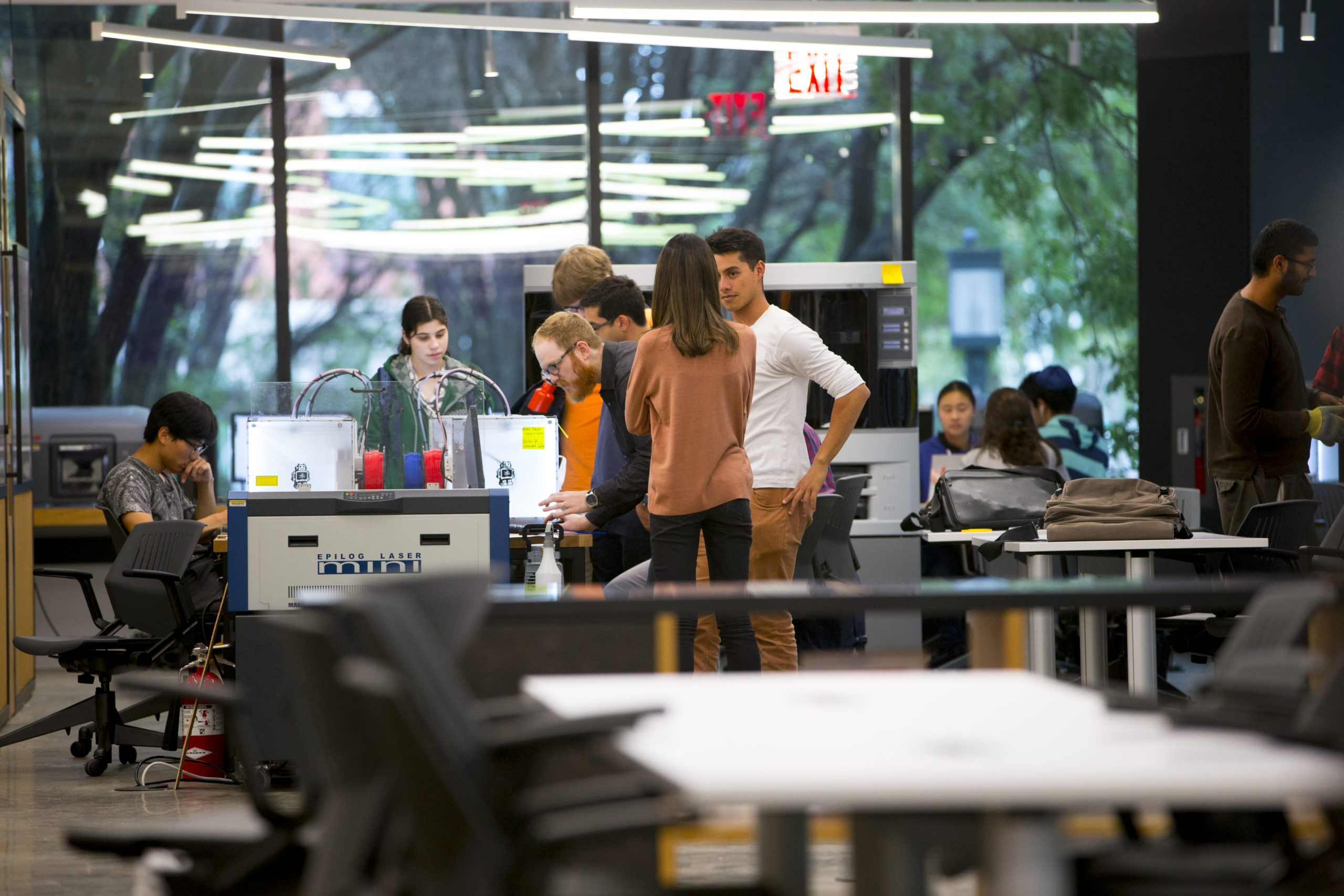
One of the first things you notice at Tandon is how much students genuinely help each other. Study groups form naturally, project spaces are always full of people working together, and professors and TAs actively encourage collaboration instead of competition. Many classes are project-based, so teamwork becomes second nature, especially once you get to your senior group design course. The mindset here isn’t “Who’s the best?” but rather “How can we figure this out together?”
2. Research Isn’t Gatekept: You Can Start From Day One

At Tandon, research isn’t something you wait years to get involved in. Programs like Vertically Integrated Projects (VIPs) invite students, especially first-years, to join long-term, professor-led research teams right away. You don’t need any prior technical experience; professors and grad students teach you as you go. This early exposure helps you build confidence, discover what fields excite you, and gain hands-on skills long before your upper-level courses.
3. Classes That Go Beyond Theory
Tandon classes don’t stop at equations, your assignments and projects are rooted in real engineering challenges. Professors regularly pull examples from NYC infrastructure, current global issues, and emerging technologies. You learn how to approach problems the way actual engineers do: by analyzing constraints, proposing creative solutions, and understanding the real-world impact of your decisions. In my Transportation Engineering course, for example, I worked on a parking lot design project. It wasn’t just about drawing layouts, we had to consider traffic flow, vehicle circulation, safety, accessibility, and local regulations. Running calculations and testing different designs made me realize how much planning goes into even seemingly simple infrastructure, giving me a hands-on sense of real engineering work.
4. Real-World Inspiration From Day One
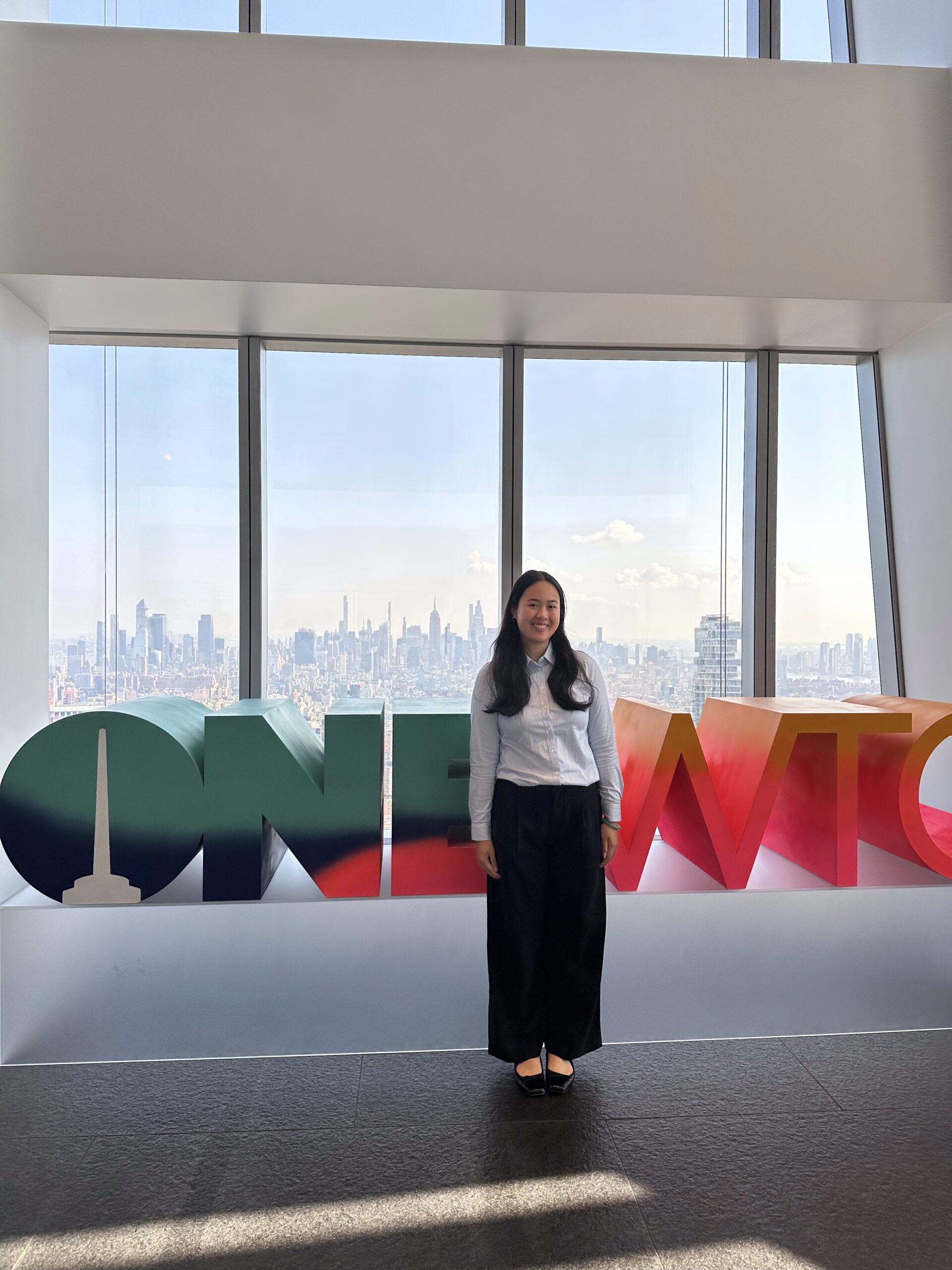
One of the moments that first pulled me toward civil engineering happened in my Introduction to Engineering course. We had a guest lecturer who had helped design the new World Trade Center, and hearing him talk about the engineering behind rebuilding such an iconic and meaningful site completely shifted something in me. I remember sitting there thinking, people actually get to design and build structures like this for a living, and for the first time, I could genuinely picture myself doing that kind of work. That lecture stayed with me, and the experience came full circle this past summer during my internship with the Port Authority. Every morning I commuted through the Oculus, walking past the very structures I had learned about as a freshman, and I even had the chance to tour One World Trade Center. Standing there years later, in a place I had once only heard about in class, felt surreal, it made the field feel real, tangible, and deeply meaningful, and reminded me exactly why I chose civil engineering.
5. Engineering with Purpose
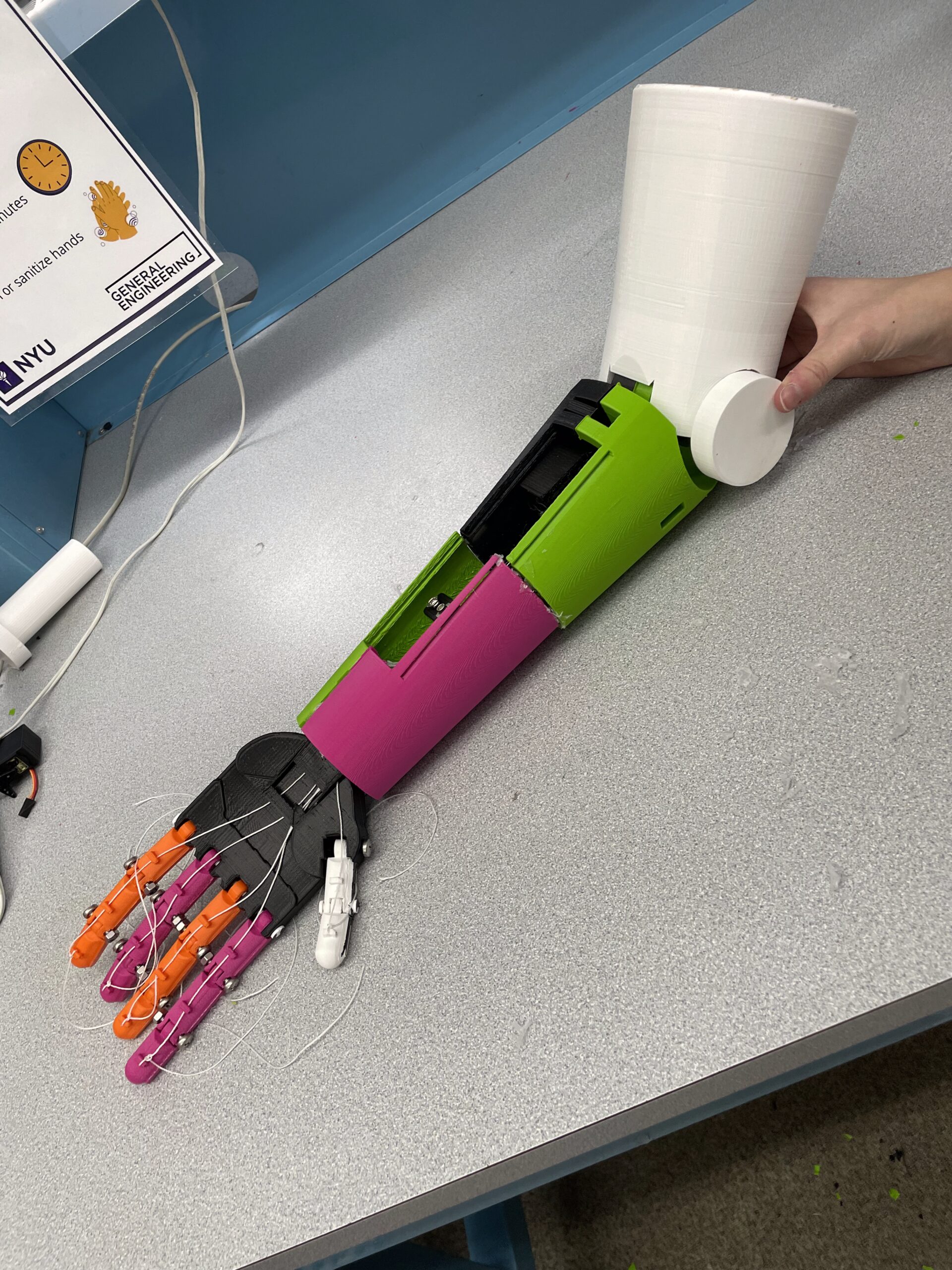
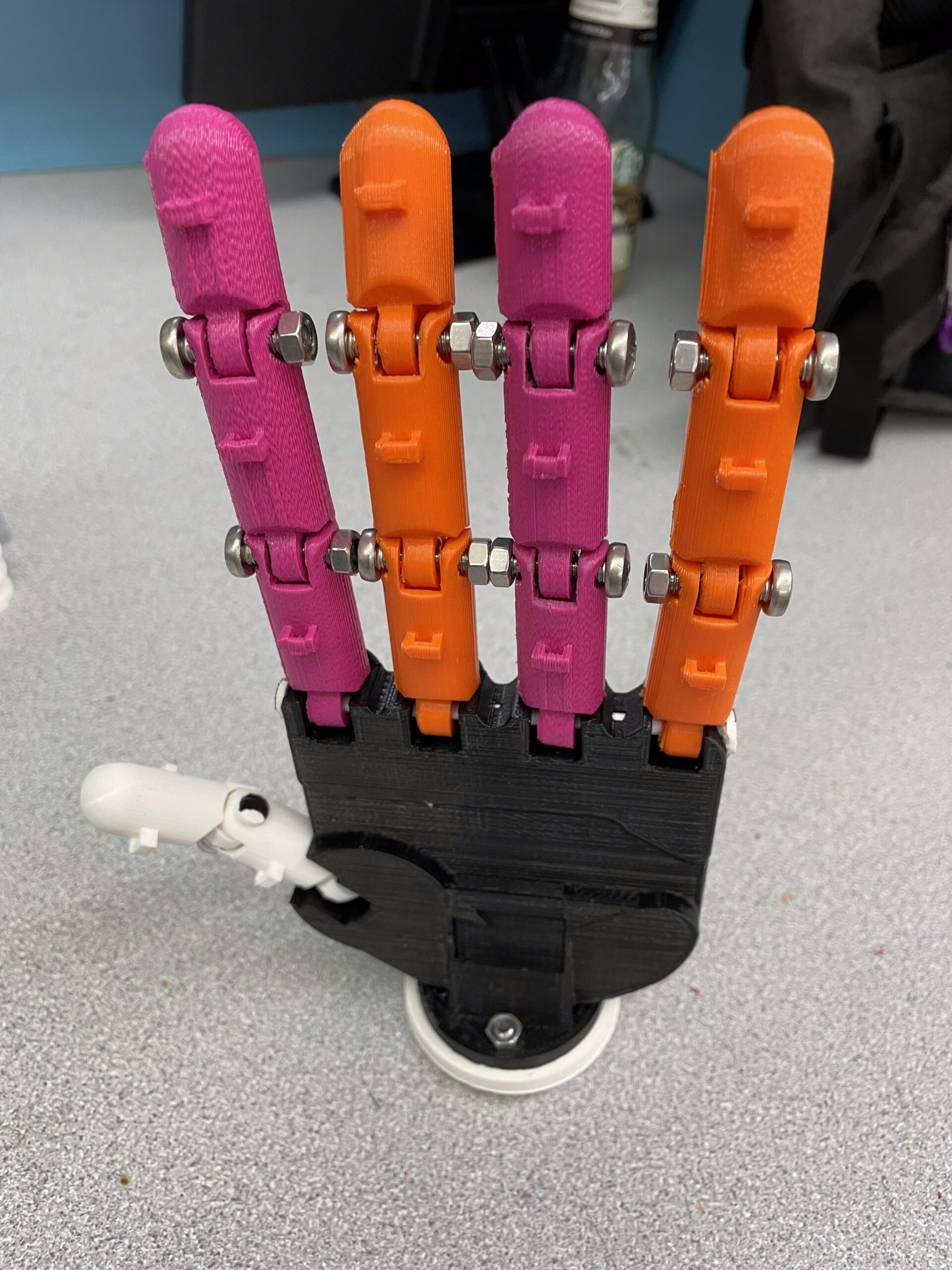
Tandon places a huge emphasis on engineering that genuinely improves people’s lives, and I felt that from my very first semester. In my Introduction to Engineering course, my team chose to design a voice-activated prosthetic arm, something far beyond anything we thought first-years could pull off. We spent weeks teaching ourselves how to combine sensors, simple mechanics, and basic programming. Most days, our “arm” barely twitched, but the moment it finally responded to a voice cue, we all froze and then started cheering. That tiny movement felt huge. It showed me that even as beginners, we were capable of creating something that could matter to someone in the real world. That experience set the tone for how I’ve come to see engineering at Tandon: collaborative, human-centered, and grounded in building solutions that actually make a difference.
Related
Exploring Engineering Pathways at NYU Tandon
Explore different engineering majors offered at NYU Tandon as well as diverse career paths offered in each field.
Meet the NYU Tandon School of Engineering
At NYU Tandon, engineering students can access the resources to create and innovate among some of the world’s most talented engineering faculty and peers.

Engineering the Future of Health at NYU Tandon
NYU Tandon students create and shape innovations that change the future of health care through an engineering mindset.