
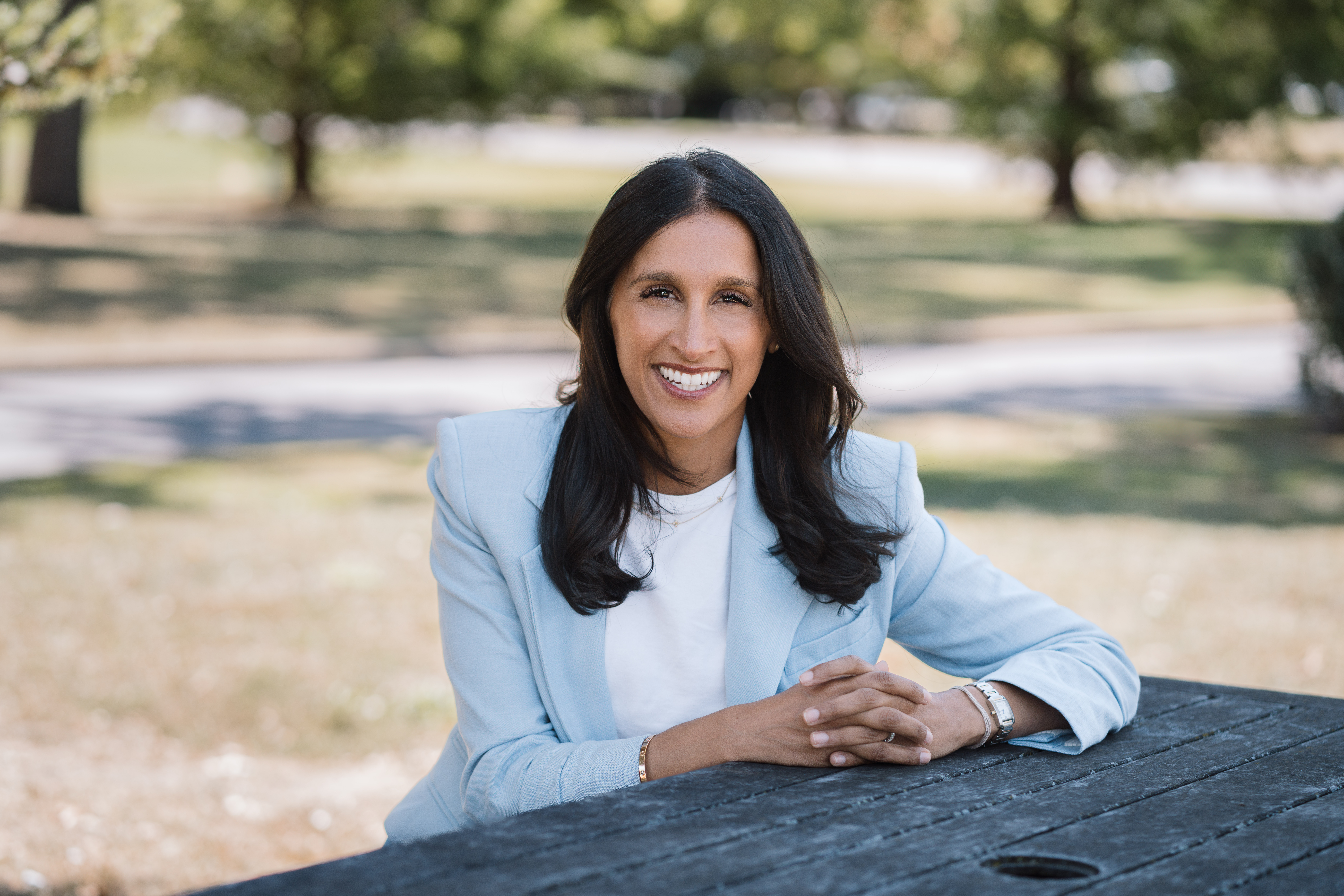
As innovation reshapes what it means to be a nurse, Tina Sadarangani is leading the way. An assistant professor at NYU Meyers College of Nursing, she has dedicated her career to bridging technology and caregiving to improve outcomes for older adults. “The nursing profession is such a welcome space for innovators,” she says, speaking from personal experience.
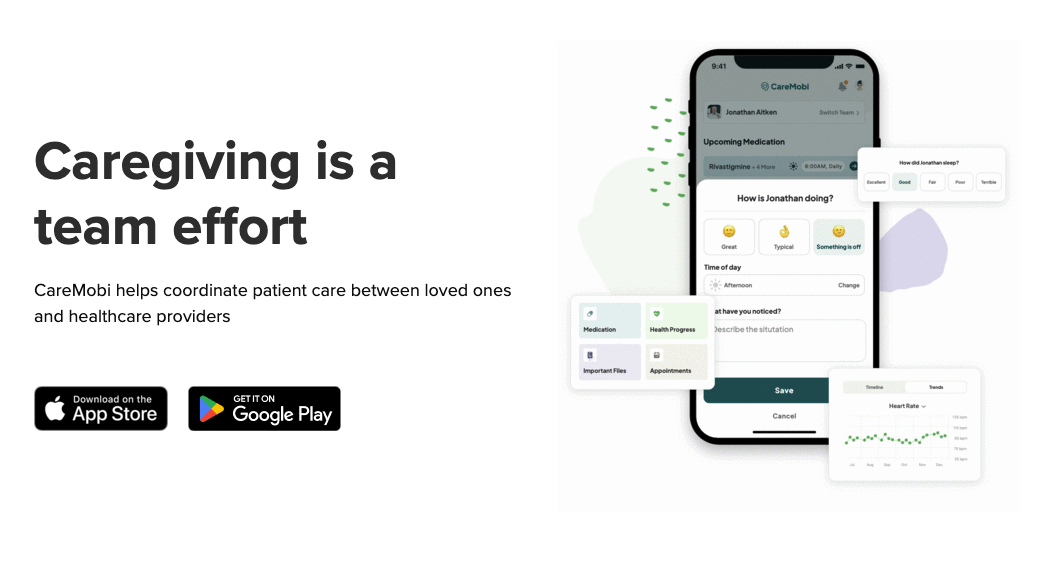
Sadarangani is a board-certified adult and geriatric nurse practitioner. Her research focuses on helping families—especially immigrant families—navigate the health-care system while caring for chronically ill loved ones. Her award-winning app, CareMobi, facilitates this mission by strengthening communication and coordination between caregivers, providers, and community services.
A Personal Lens on Aging
Sadarangani’s journey began when a college sociology course called Death and Dying opened her eyes to the realities of aging in the United States. The course explored how Americans are living longer—but they are not necessarily living better or healthier lives.
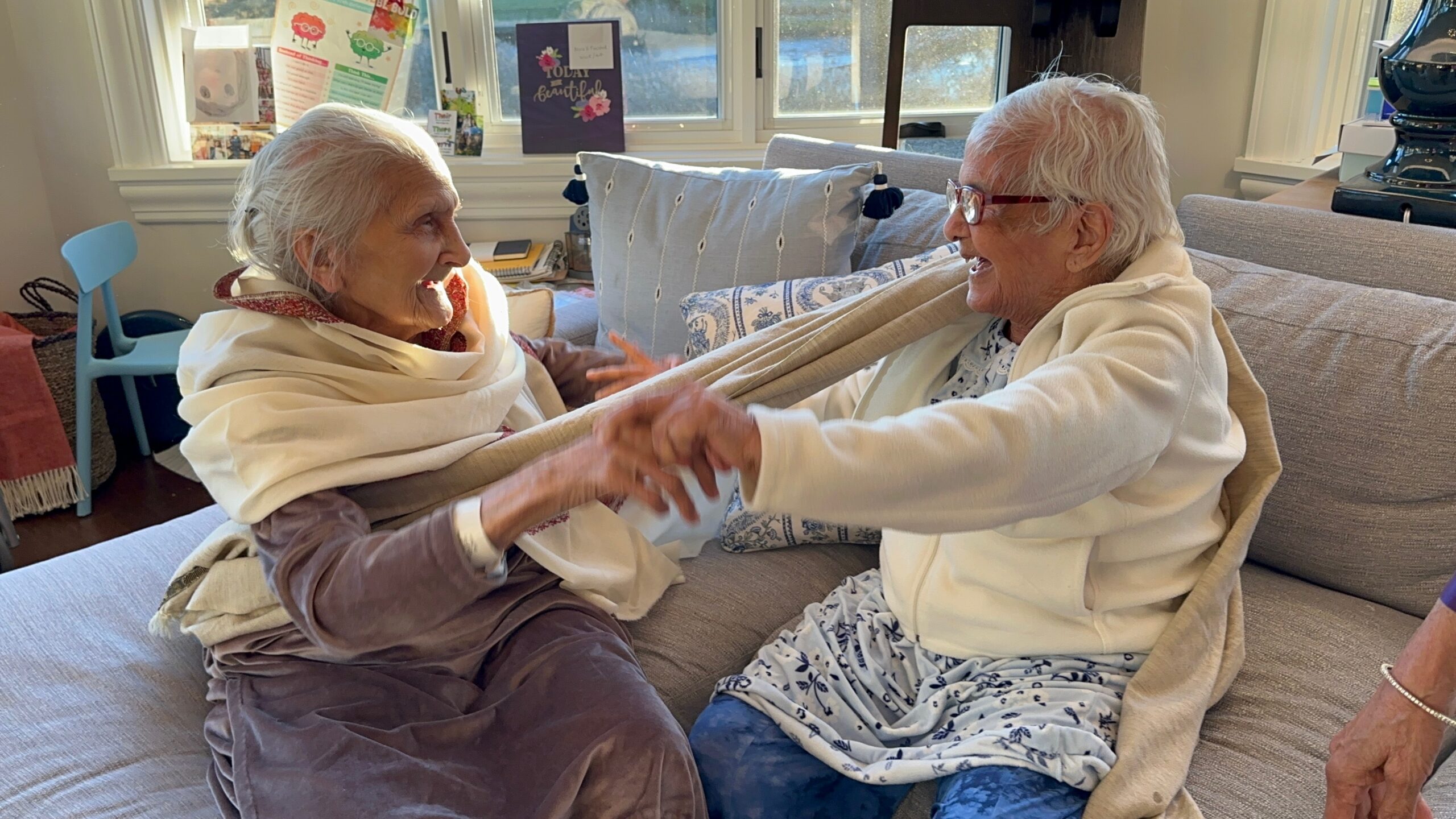
“This idea of elder care was fascinating,” says Sadarangani. It recalled her beloved grandmothers: Beeji, who recently passed away at 100, and Mummy, about to be 104. While her parents worked long hours as physicians, Sadarangani’s grandmothers, who emigrated to the United States in their 60s, helped raise her. “They aged beautifully. I thought everybody aged like them,” she says.
Early in her nursing career, Sadarangani saw patients—often immigrants—who reminded her of her grandmothers. Some did not speak English, most didn’t drive, and many were taking care of their grandchildren. As a result, these patients struggled to manage their care. She began examining the experiences and challenges faced by older immigrants, and why some aged so successfully while others did not receive the care they needed.
“As I progressed in my research, I realized that they need more than just health insurance or doctors,” shares Sadarangani. “They need social stimulation, friends, transportation, and care in their own language.” When one of her grandmothers began attending an adult day care that provided this level of attention, her health improved drastically, giving her a second lease on life at age 80.
“How do we get everyone who may have had similarly challenging life experiences to be as resilient as my grandmothers?” Sadarangani asks. “What resources can we give people to bolster a sense of belonging and purpose? And how do we help families get involved in their care and communicate around their needs?” These questions began to guide her work.
Caregiving Meets Technology
Developed at NYU’s Sadarangani Lab, the health-care app CareMobi helps family members supporting a loved one with a chronic illness communicate about their daily care. The value of a resource like CareMobi became even more apparent when Sadarangani’s father became ill. The realities of managing his needs proved extremely complicated, requiring multiple family members to step in.
“99 percent of health care takes place outside the doctor’s office,” Sadarangani explains. “Great patient care is informed by great data from the community, and technology needs to be playing a bigger role in that. Why not have an app that helps us coordinate the care of our loved ones and provide an accurate answer when the doctor says, ‘How has your dad been since I last saw him?’”
Now, Sadarangani is working on a National Institutes of Health–funded tool to help individuals and caregivers understand nutritional needs using AI. Snap a photo of your meal, and the technology provides the nutritional details of the food. It will also offer potential modifications to improve your overall health. “We shouldn’t be trying to give usual care; we should be trying to give optimal care. AI is going to help us do that,” says Sadarangani.
Training the Next Generation of Nursing Innovators
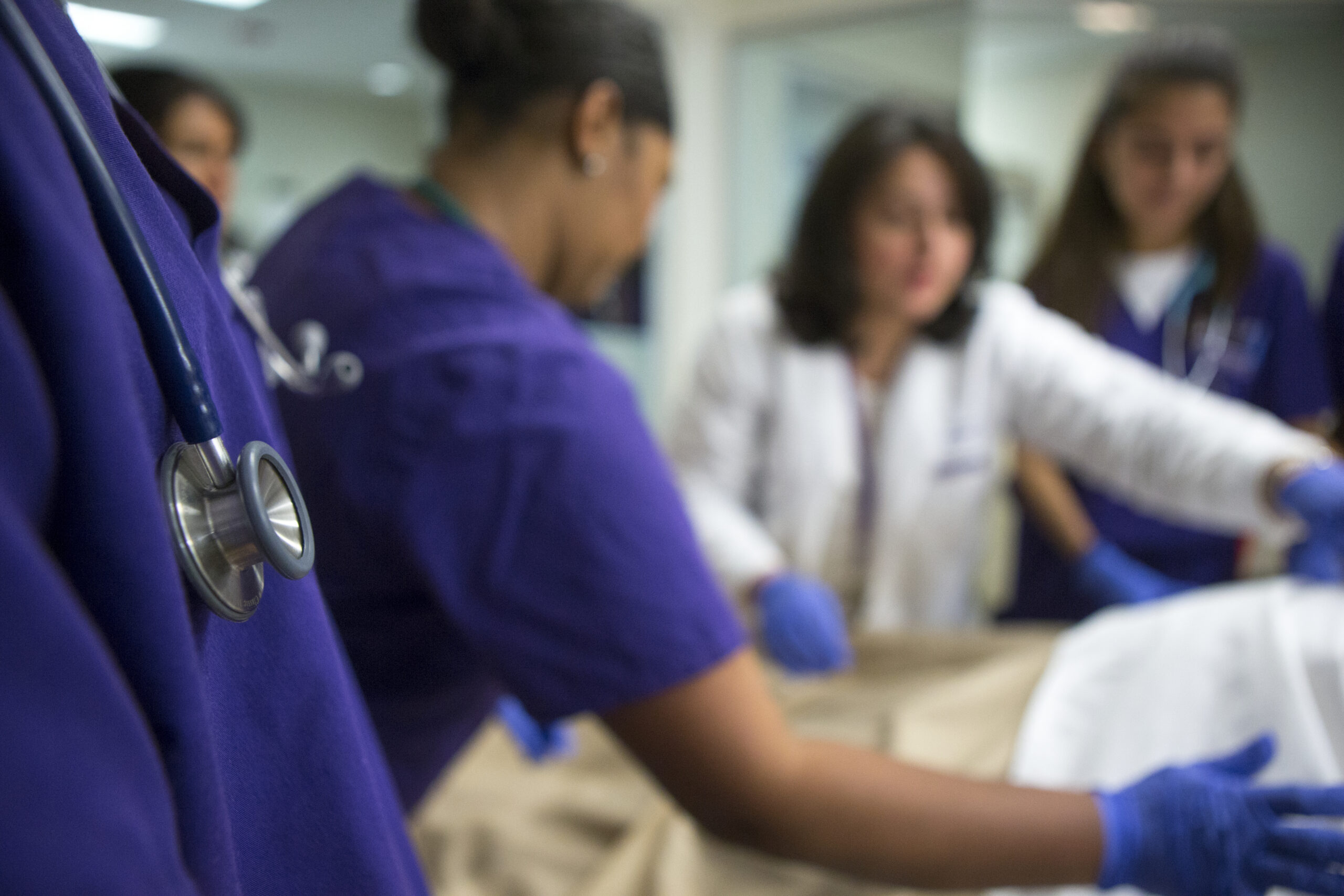
At NYU Meyers, Sadarangani works with students in the classroom and in the lab. She’s a mentor for the LEAD Honors Program, which offers research experience and leadership development to high-achieving nursing students. These undergraduates have the opportunity to work on CareMobi, engage with patients, and learn the principles of clinical research. Furthermore, if they have a specific area of interest they want to pursue, Sadarangani provides mentorship. “I love students’ new and innovative approaches to problem-solving, and I love helping them figure out how to bring their ideas to life,” she says.
With a nursing degree, students can pursue a plethora of pathways. In addition to clinical settings, nurses build thriving careers in health-care policy, informatics, and business. As companies in the health and wellness space boom, having trusted medical professionals involved is crucial. “Nurses are everywhere, in every field,” affirms Sadarangani. “The skills are so versatile.”
But no matter where a nursing degree leads, Sadarangani believes a core set of skills remains essential. Nurses must be critical thinkers who can question, interpret, and make sound decisions in complex situations. They need to engage confidently with new technologies, using digital tools to enhance—not replace—good judgment. Above all, she emphasizes, great nursing is grounded in empathy. “In this increasingly digital world, I can’t stress enough the importance of being human, staying connected, and being patient-centered.”
Related
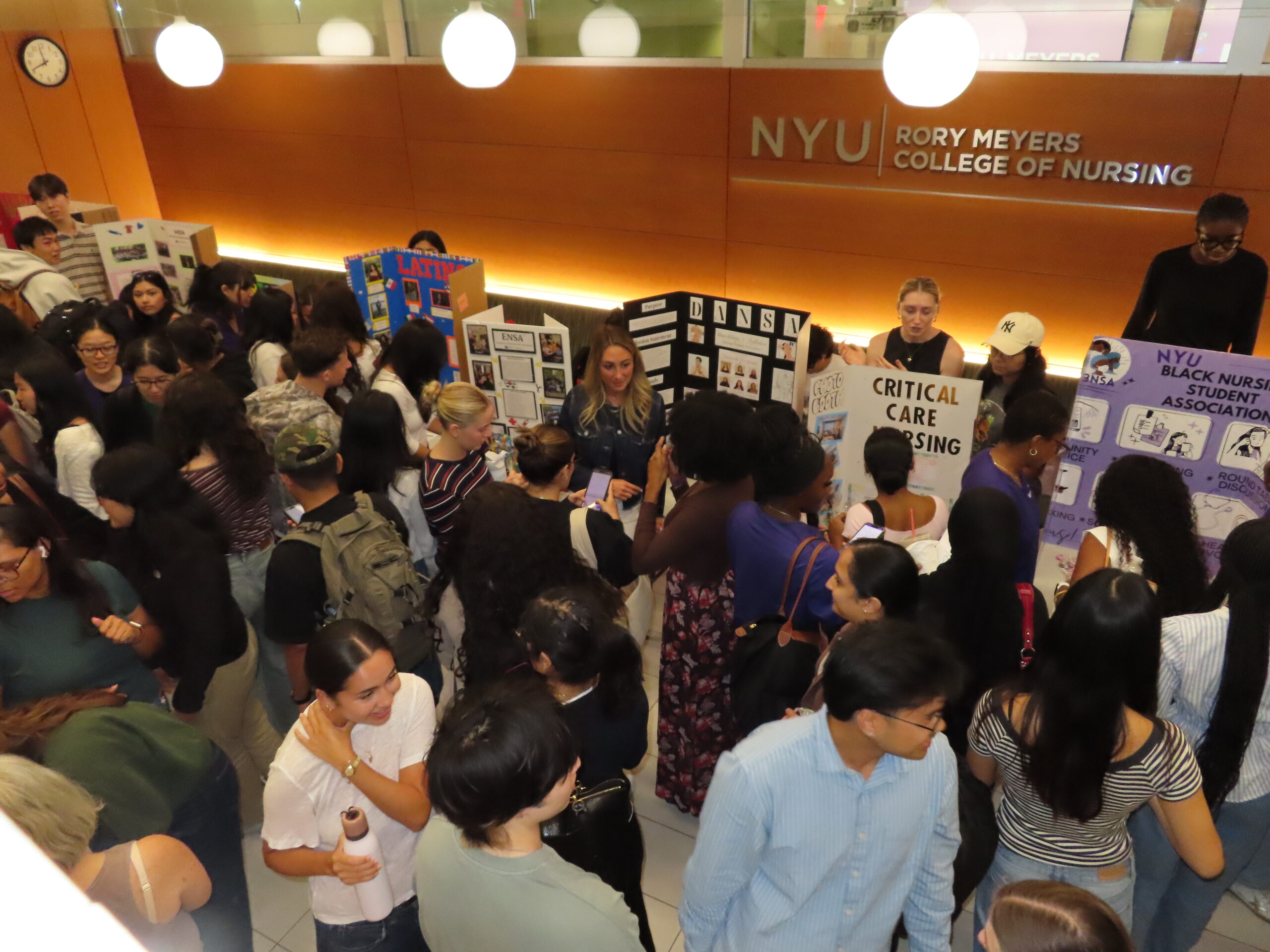
Why Joining a Nursing Club Might Be the Best Decision You Make at NYU Meyers
Discover how nursing clubs at NYU Meyers help students build community, explore specialties, and grow into confident, well-rounded nurses.
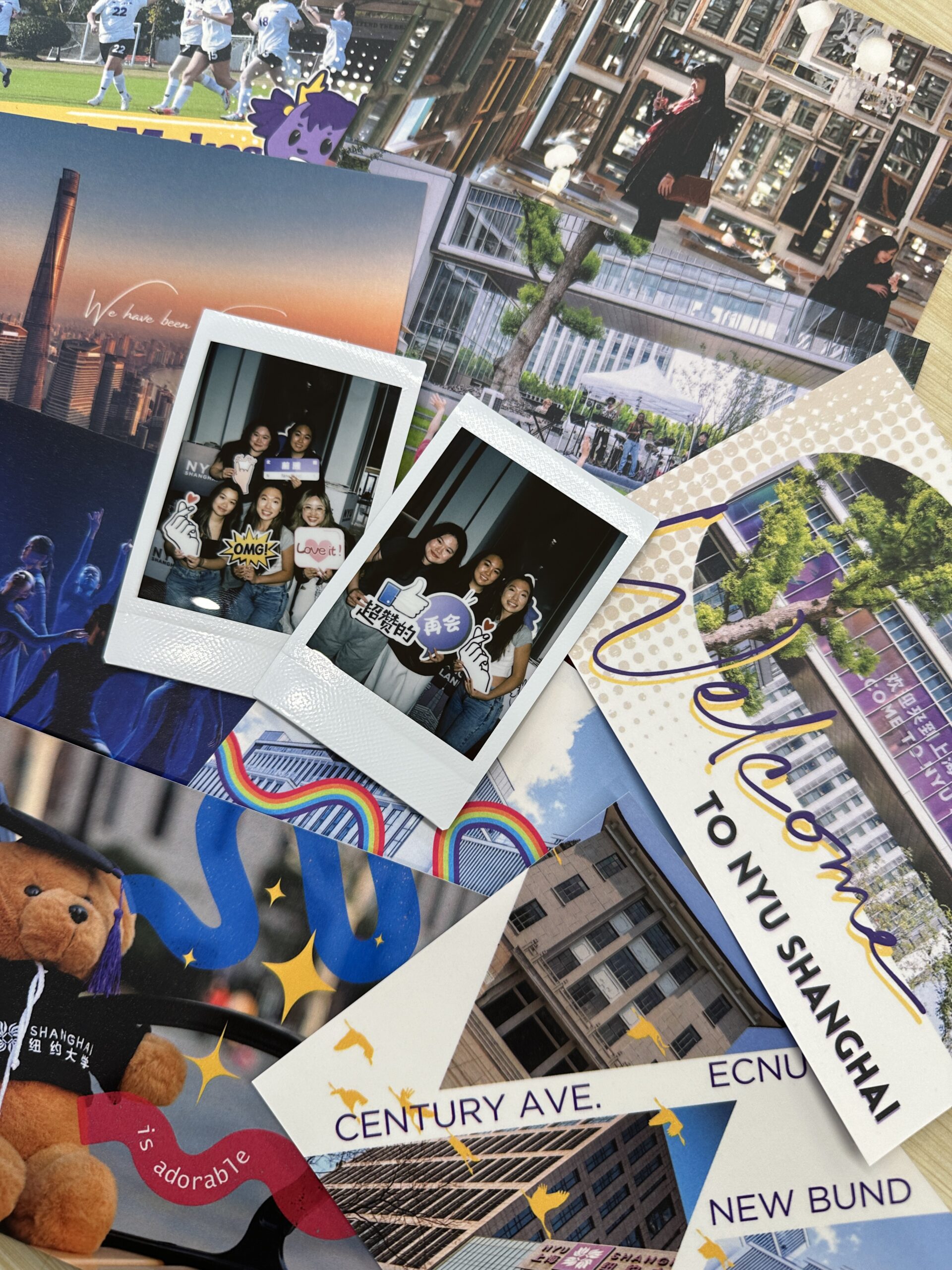
Yes, Nursing Students Can Study Away—Here’s How I Did It and How You Can Too!
Explore the exciting opportunities of study away programs as an NYU nursing student and broaden your educational experience worldwide.
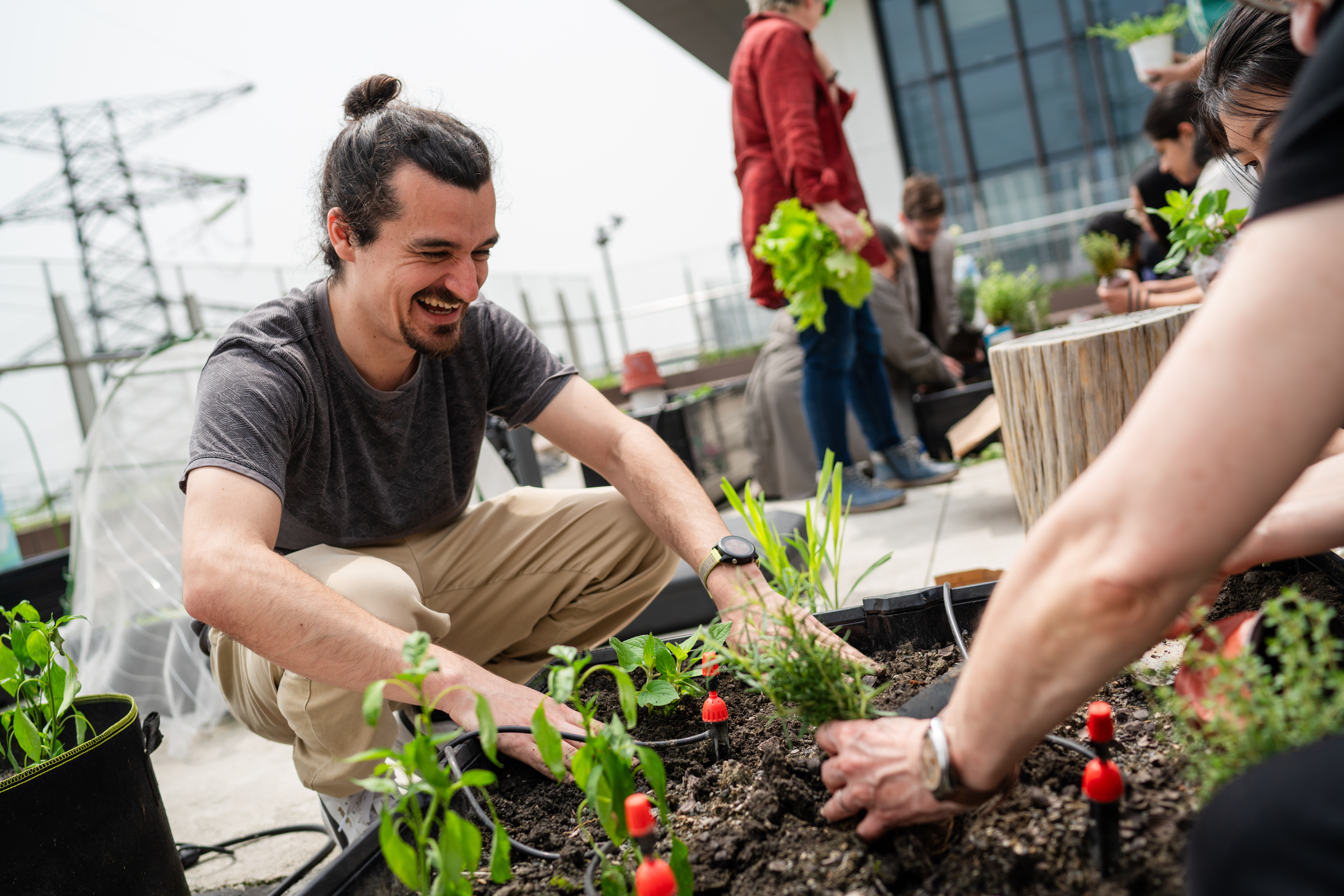
New Major Spotlight: Health and Wellbeing Studies
NYU Steinhardt’s new undergraduate major in Health and Wellbeing Studies is its most flexible degree yet.