Published July 10, 2026
From Cadet to Clinician: On the Front Line as a Premed Intern

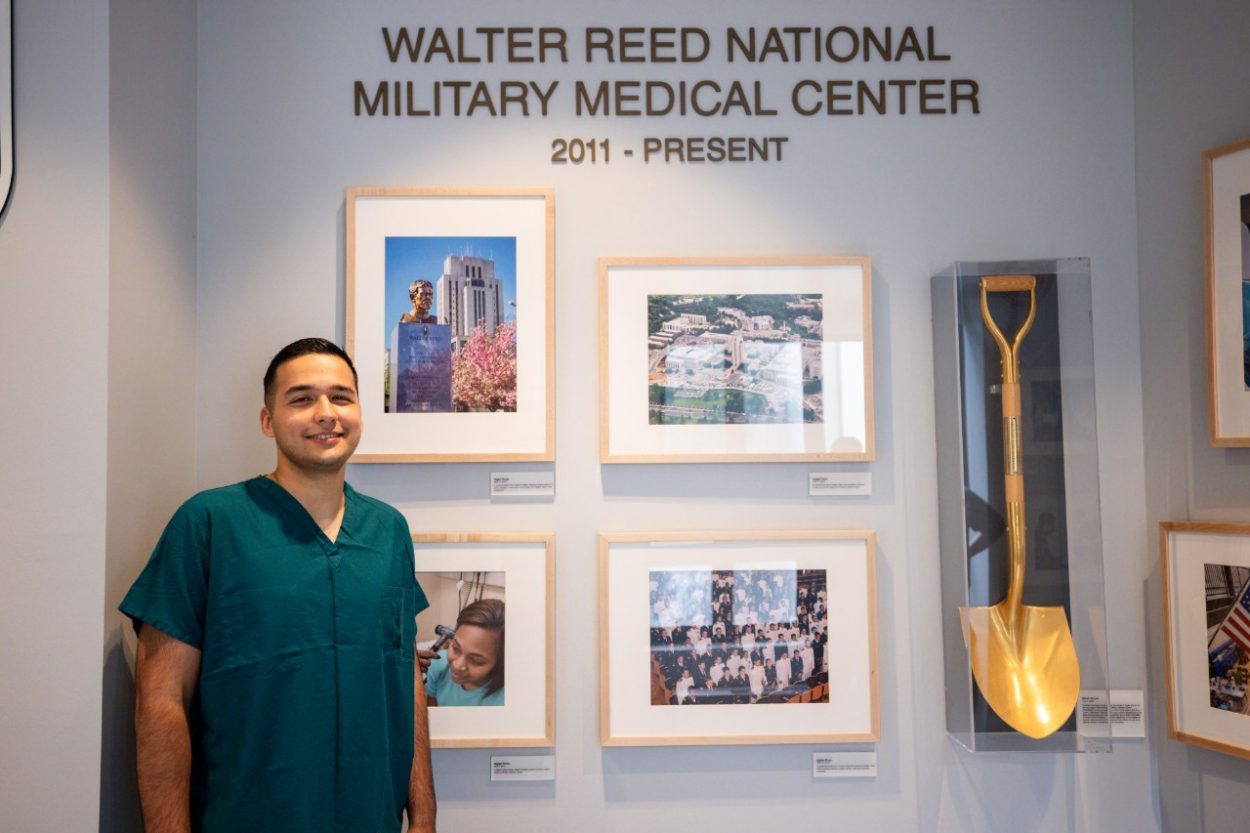
For most college students, a 5:30 a.m. alarm sounds like a nightmare. But last year, it signaled the start of an incredible day for premed intern Massimo S. Qasemi. A Global Public Health and Biology major at College of Arts and Science (CAS), Massimo spent his summer navigating the demands of the premed path with a unique twist: He’s also an Army Reserve Officers’ Training Corps (ROTC) cadet.
Massimo traded the bustling streets of New York City for the halls of the Walter Reed National Military Medical Center in Bethesda, Maryland. Living in a local Airbnb with his younger brother—a premed student at Cornell and fellow Army ROTC cadet—Massimo commuted daily to participate in a high-level clinical observership. “I’ve observed care delivered to active-duty service members, veterans, wounded warriors, and even government officials,” he shares. “The caliber of care and sense of purpose here are unmatched.”
Landing the Internship
Massimo secured his internship through a specialized program for premed cadets interested in military medicine. However, he’s quick to point out that NYU students don’t have to be in uniform to get involved. “A similar and more widely accessible opportunity is available to all students through the Walter Reed Student Clinical Observer Opportunities Program (SCOOP),” he explains. “SCOOP is designed to give students meaningful exposure to clinical environments and patient care within the military health-care system.”
Inside the OR and the Lab
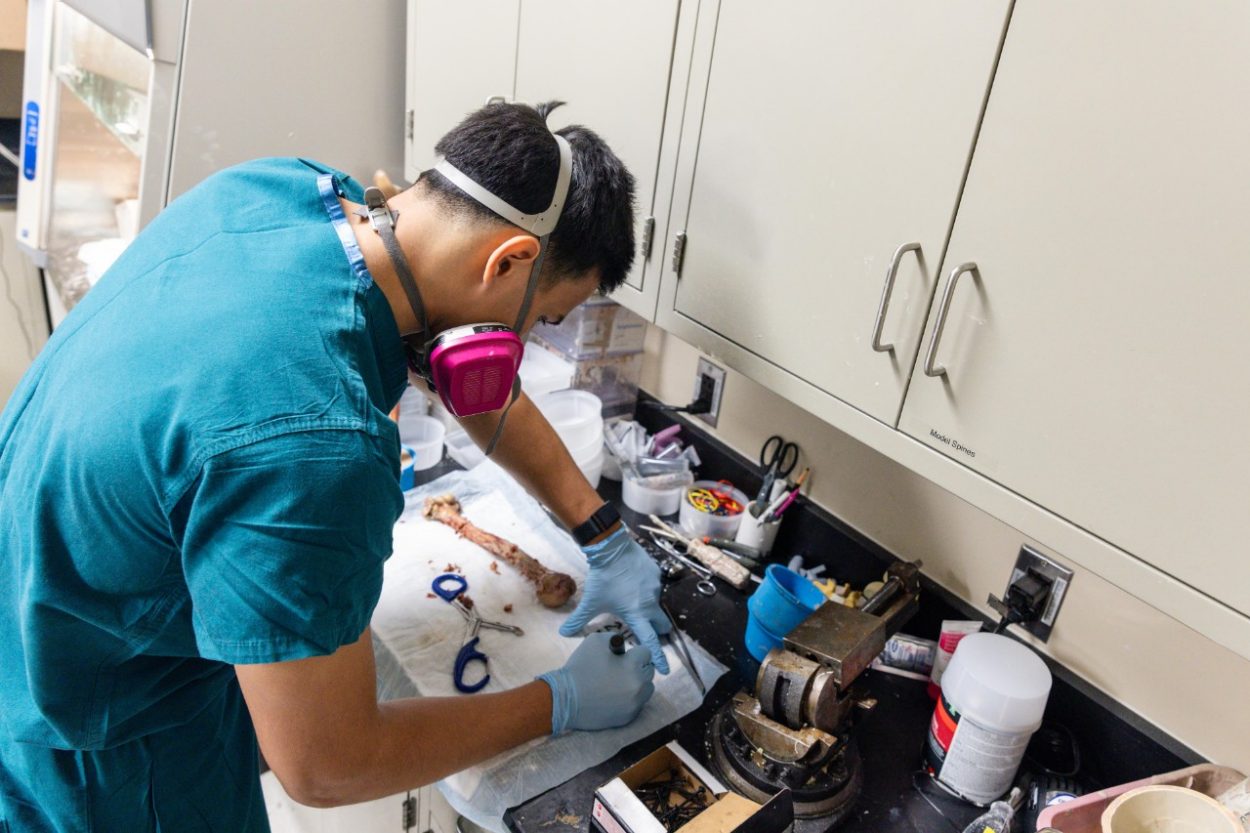
Massimo worked in the Department of Orthopedic Surgery, splitting his time between the operating room (OR) and the research lab. Under the mentorship of Dr. Alfred J. Pisano, an orthopedic spine surgeon, he saw directly how clinical care and academic inquiry intersect.
“My experience included shadowing in clinics and observing surgical procedures in the operating room. I also conducted research in the orthopedic biomechanics lab,” he says. This work will have a direct impact on patient recovery. “We studied the mechanical performance of musculoskeletal structures and surgical hardware. We simulated real-world scenarios, including the stress experienced by patients during rehabilitation. This research helps inform surgical decision-making and contributes to improving clinical outcomes.”
Massimo rotated through other specialties beyond orthopedics and conducted a project in the Department of Neurosurgery to deepen his understanding of neurological innovation.
Learning the Language of Care
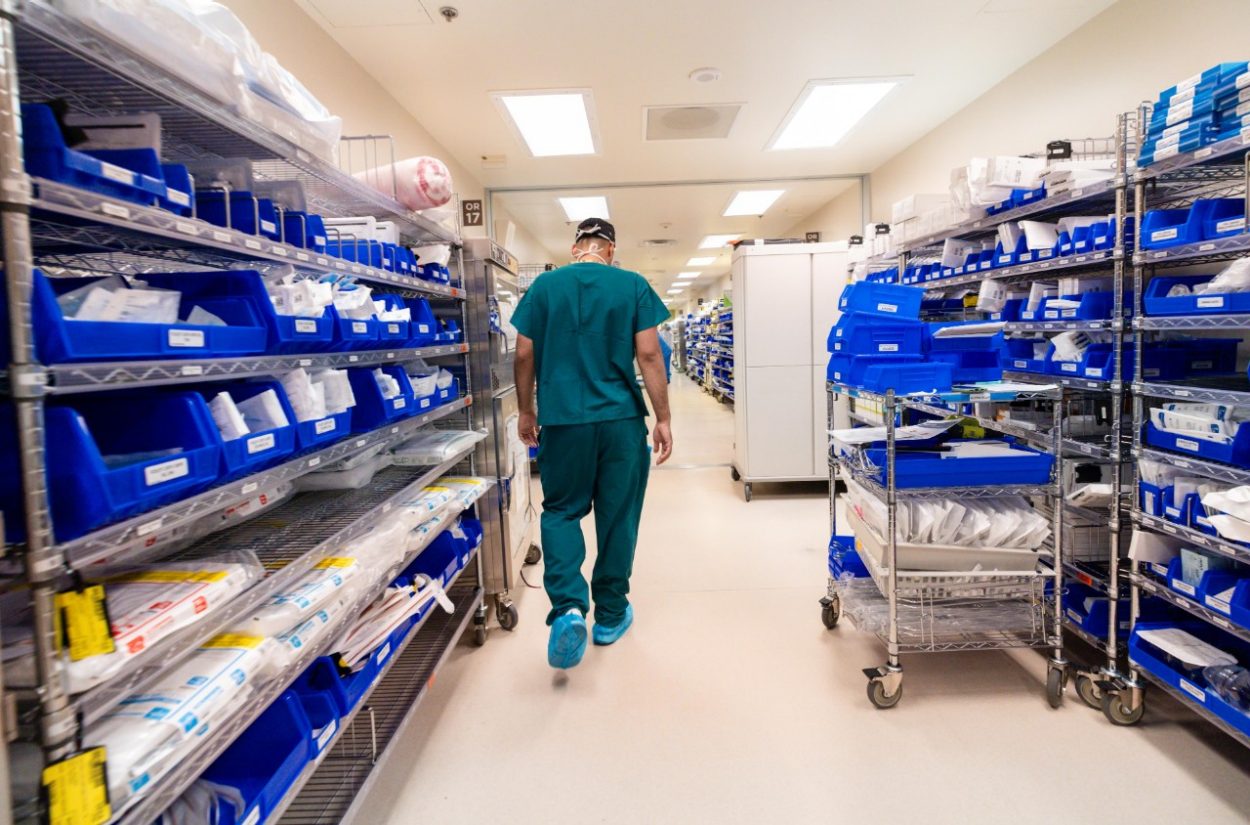
For Massimo, the learning curve within the hospital environment was steep but rewarding. “At first, the language used by physicians can feel like a completely different dialect, filled with complex medical terminology, abbreviations, and anatomical references,” he says. “But by asking questions, taking notes, and reviewing materials, I started to feel more fluent in that clinical language.”
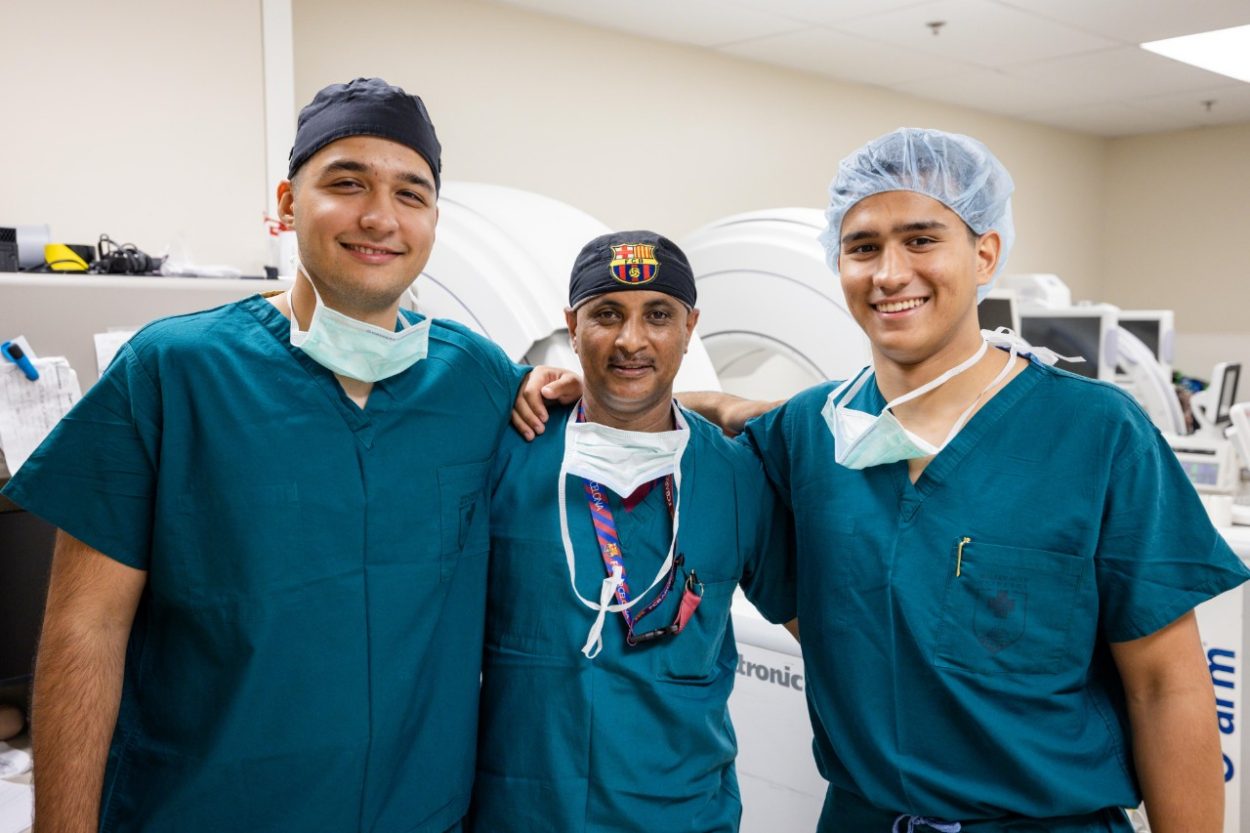
His newfound expertise allowed him to appreciate the high stakes of the work and the precision of the teams around him. “The culture of excellence was palpable, and it runs through every level of the institution,” Massimo reflects. “I’ve learned from exceptional health-care professionals—physicians who set a high bar not only for technical expertise but also for professionalism, compassion, and leadership.”
The Next Step
As Massimo moves through his medical school applications, he has clear advice for his fellow Violets looking toward their own premed internships. “The experience is what you make of it,” he says. “Whether in a military or civilian setting, don’t be afraid to take initiative. Be curious, be persistent, and remember that there are always incredible people around you. They’re willing to teach and support your growth, if you show you are eager to learn.”
For Massimo, the next step is a lifelong commitment: He plans to become a military physician and eventually transition into public policy to shape health-care legislation. His internship was the perfect bridge between his undergraduate studies at CAS and his future aspirations. “Being close to medical students and residents—the very shoes I hope to step into soon—has been inspiring and motivating,” he concludes. “This experience gave me insight into the path ahead and strengthened my dedication to serving patients and the nation.”
Interested in ROTC at NYU?
Whether you’re interested in the Army or Air Force, ROTC at NYU offers numerous leadership opportunities and financial benefits. Scholarships can cover full tuition while preparing students to receive commissions as officers. Following graduation, all cadets serve four years in their respective military branch. Students from all majors and backgrounds are welcome to join—the best place to start is by applying for a scholarship between your junior and senior year of high school or early in your college career.
This story was first shared on NYU News and repurposed for Meet NYU. You can read it in its full, original version here.
Related
Interested in Premed? Here’s What You Need to Know
Interested in going to medical school but aren’t sure where to start? NYU students have a lot of options when it comes to pursuing premed.
Applying to NYU as a Veteran or Military Applicant
Here’s how to apply to NYU if you are a veteran or military applicant. Weʼre honored you’re considering studying with us!

NYU Internship Guide: Navigating Your First Professional Step
Unlock the secrets to securing your first internship during your time at NYU! This comprehensive guide provides students with the necessary tips and resources to navigate the internship landscape.