Published September 30, 2026
Design the Future of Health Care with NYU Tandon’s New Biomedical Engineering Major


You know you want to work in health care, solve big problems, and improve lives. Still, choosing the right major can feel daunting. What if you want to practice clinical medicine, but you also want to build cutting-edge technology? What if you’re interested in diagnosing diseases as well as inventing new drugs to treat them? To give students the best of all worlds, the Tandon School of Engineering is launching a new path forward: a Bachelor of Science in Biomedical Engineering (BME).
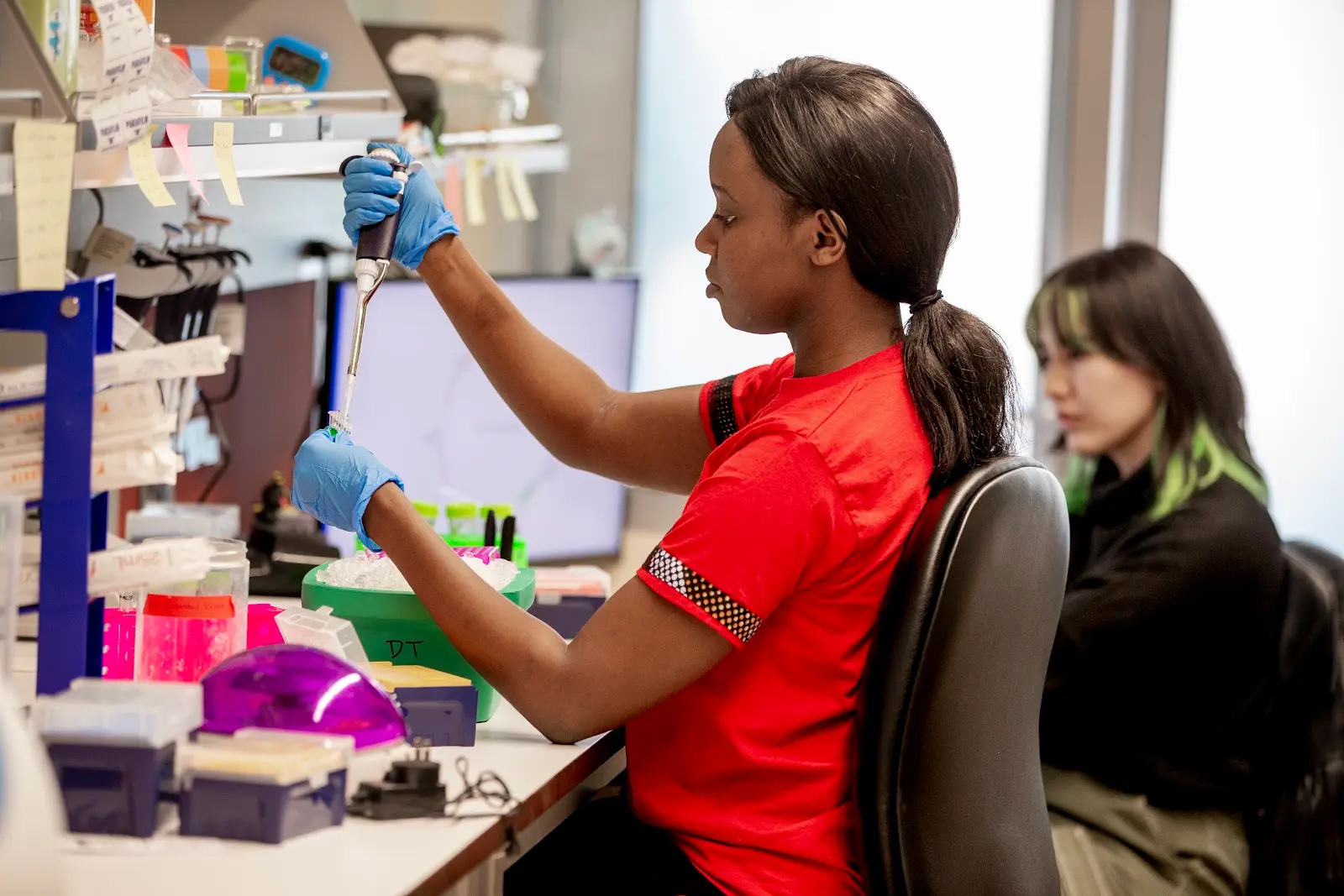
The new major has a clear mission: equipping aspiring innovators to make a meaningful impact on human health. Whether you dream of going directly to medical school, launching a biotech start-up, leading clinical research, or building health tech at companies like Apple or Google, this curriculum is designed to give you the technical foundation and real-world tools to get there.

Is BME Right for You?
NYU is a school for students with big goals, and Tandon’s new Biomedical Engineering major is built for those ready to do the hard work required to reach them. Make no mistake—this is a rigorous path designed for students who want to solve complex problems and push themselves. But the rewards are immense.
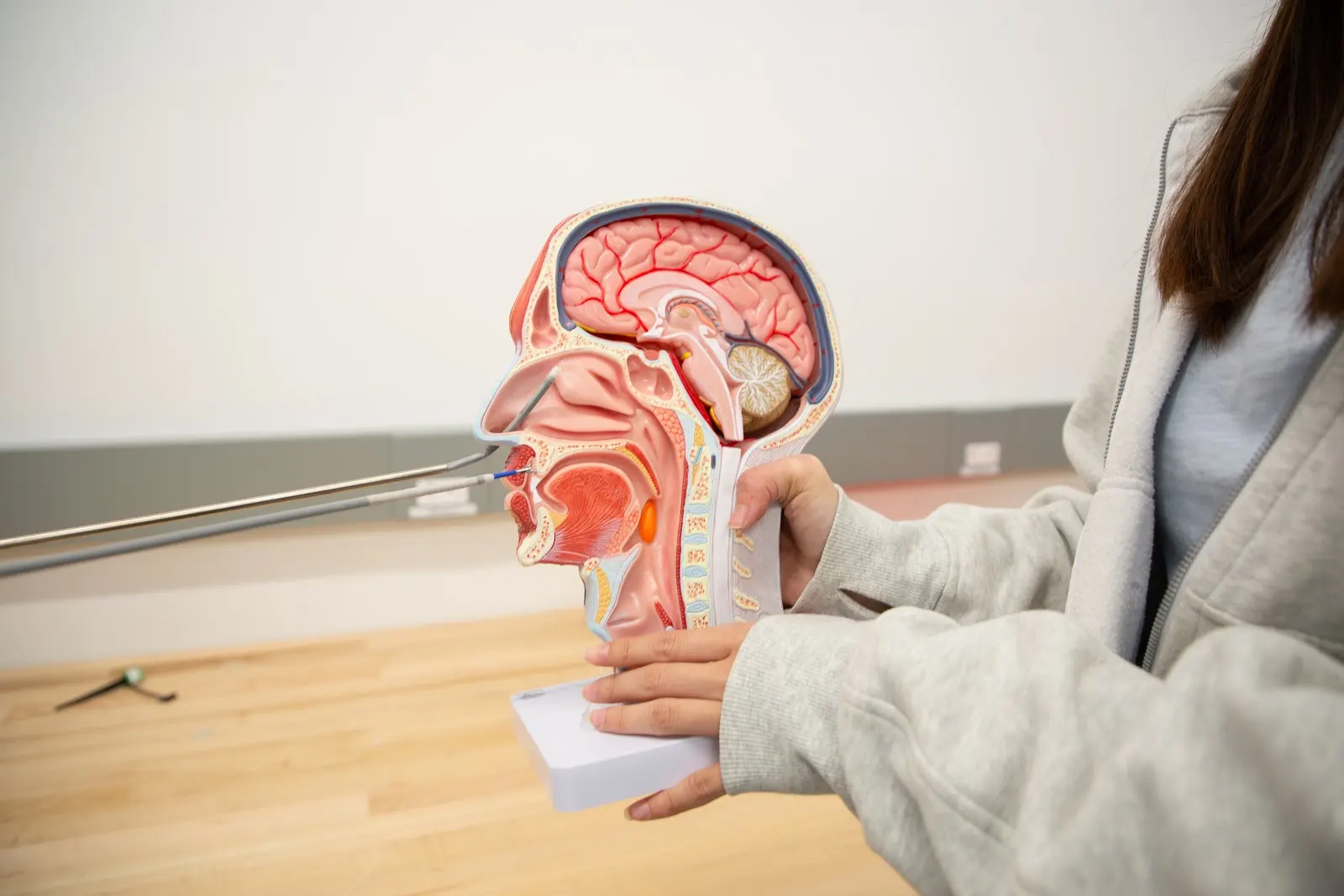
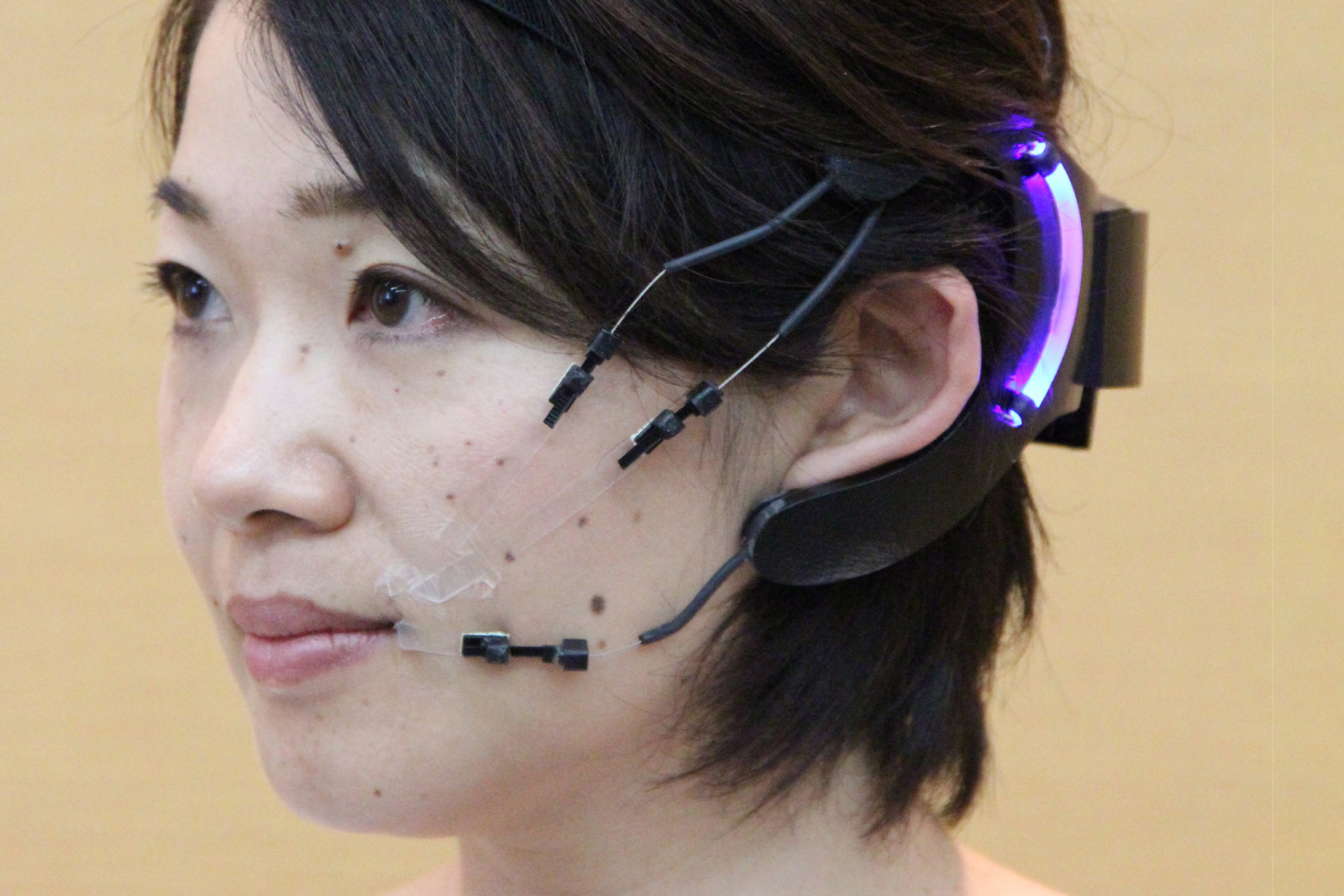
Reflecting on the ideal BME student, Associate Professor Rose Faghih says, “This program is for students who are excited to use engineering to improve human health. If you’re motivated to make a real impact and eager to explore the many ways you can do that, from medical devices and robotics to imaging, tissue engineering, or computational medicine, this degree opens the door to a range of career options and gives you the freedom to see where those interests can take you.”
While it takes dedication and hard work, BME offers unprecedented opportunities for driven students.
A Career-Ready Curriculum
Designing the program from the ground up allowed the department to reimagine what an undergraduate engineering degree should offer in today’s landscape.
“As I was designing the program, I tried to think about it this way: If I was starting college at 18 again, what would my dream program look like? What features would the ideal program have?” Faghih recalls.
The result is a curriculum featuring several distinct advantages for students. First, the major is extremely versatile, providing ample elective space so students can complete pre-health requirements for medical school or dental school admission without delaying their degree.
“This opens the path for students who are thinking of pursuing engineering now but may want to become a medical doctor in the future. Or for those who want to have an engineering degree just in case. It gives students a lot of options,” Faghih notes.
Additionally, BME graduates nationwide historically have lower pass rates on the Fundamentals of Engineering (FE) exam required for professional certification. NYU’s program addresses this, intentionally reinforcing the skills necessary to succeed on the exam. Finally, the program prepares students for a shifting world. “We are in the age of AI. Basically, everything is changing,” Faghih emphasizes. To meet this moment, students study machine learning fundamentals while staying grounded in practical research and lab work. Additionally, they tap into Tandon’s powerful entrepreneurship ecosystem. In senior design courses, students can learn how to turn their ideas into commercial ventures and launch their own companies.
Connected Across NYU
Unlike programs that limit engineering to a lab, the BME major is built on direct access to NYU’s extensive medical and clinical networks.
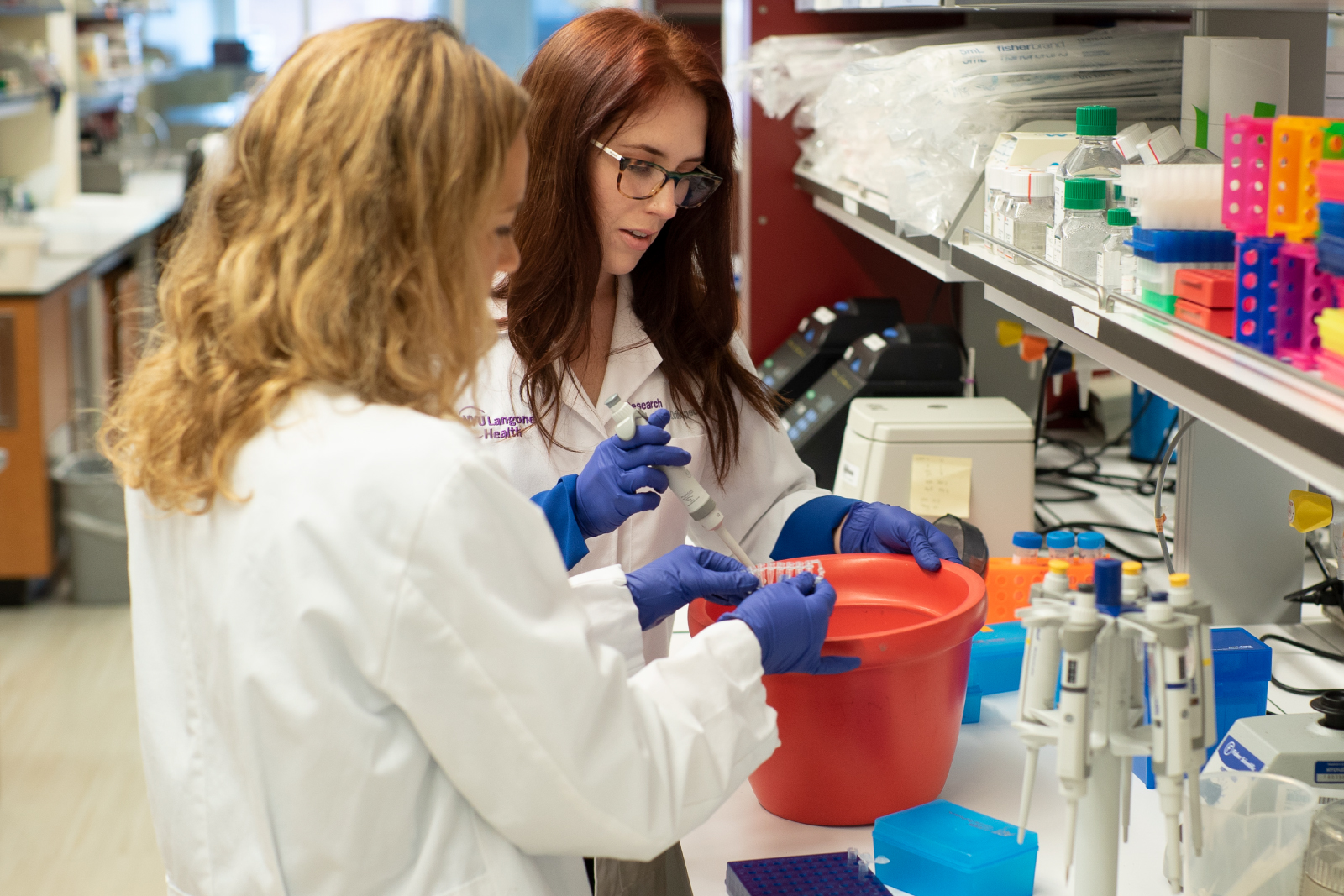
“Our department, Biomedical Engineering, is the bridge between Tandon and Langone,” Faghih says, referencing NYU’s world-class medical center. Furthermore, that interdisciplinary access becomes especially valuable during senior design capstone projects.
“Tandon has all these other great engineering programs that dovetail with biomedical engineering, like electrical and mechanical,” Faghih explains. “They also have faculty who do high-impact biomedical research. But when it comes to senior design, they have not been health-focused. That changes with this new degree.”
BME senior design capstones focus strictly on health solutions, giving students a unique opportunity for interdisciplinary innovation. This course is designed such that undergraduates can be mentored by faculty, practitioners, and peers across the Grossman School of Medicine, the Rory Meyers College of Nursing, the College of Dentistry, and other programs.
A Strong Foundation for What’s Next
Though the program is challenging, students won’t have to navigate it alone. Tandon is launching the major with a close-knit inaugural group to guarantee one-on-one guidance, prime research opportunities, and tailored mentorship. “We’re targeting a small cohort in the first year, with about 15 students,” Faghih says. “This way they will get a lot of attention.”
Ultimately, the measure of the program comes down to long-term impact. As Faghih understands it, the real benchmark is helping students achieve their career goals: “When the students are successful, the program is successful.”
Related
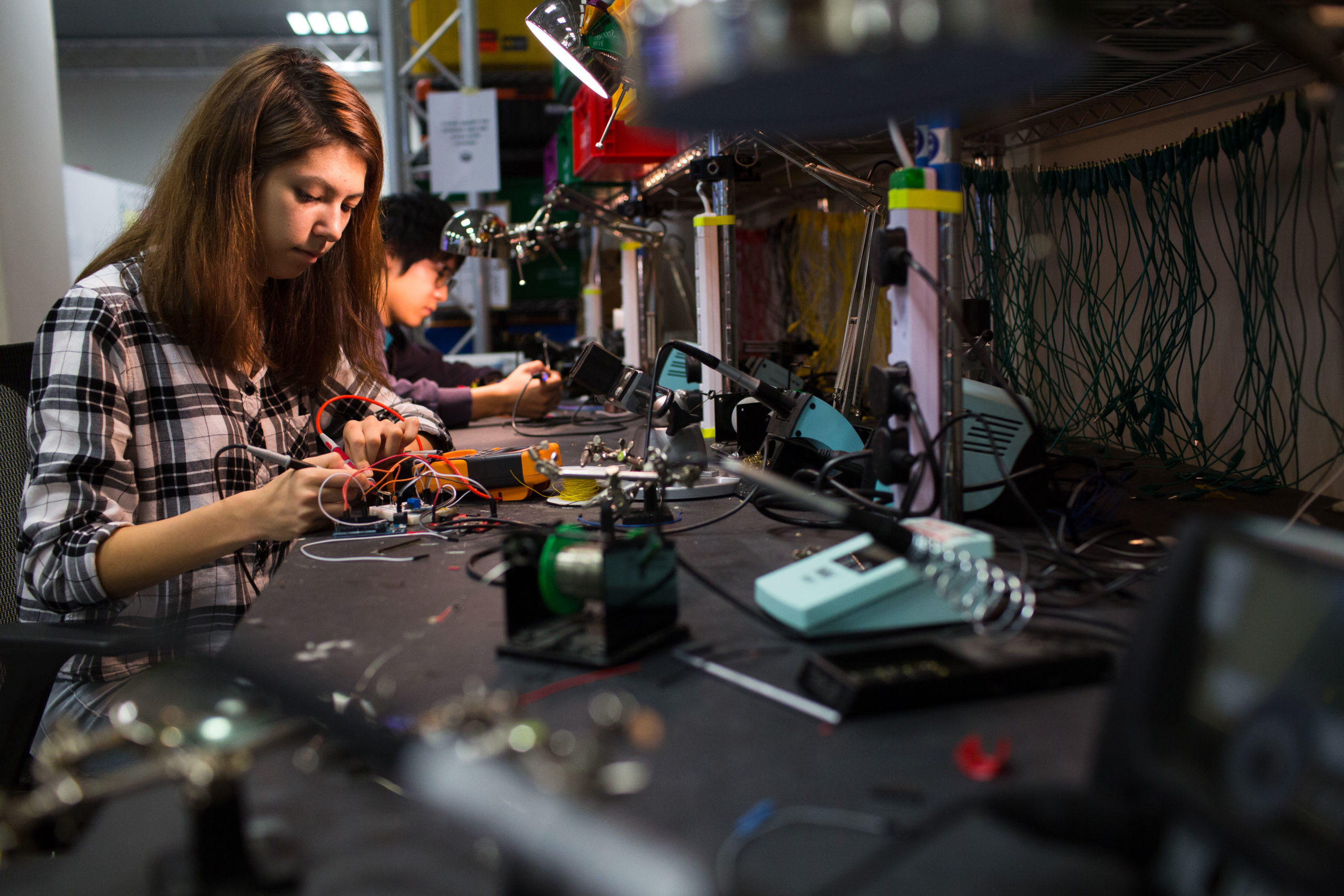
Exploring Engineering Pathways at NYU Tandon
Explore different engineering majors offered at NYU Tandon as well as diverse career paths offered in each field.
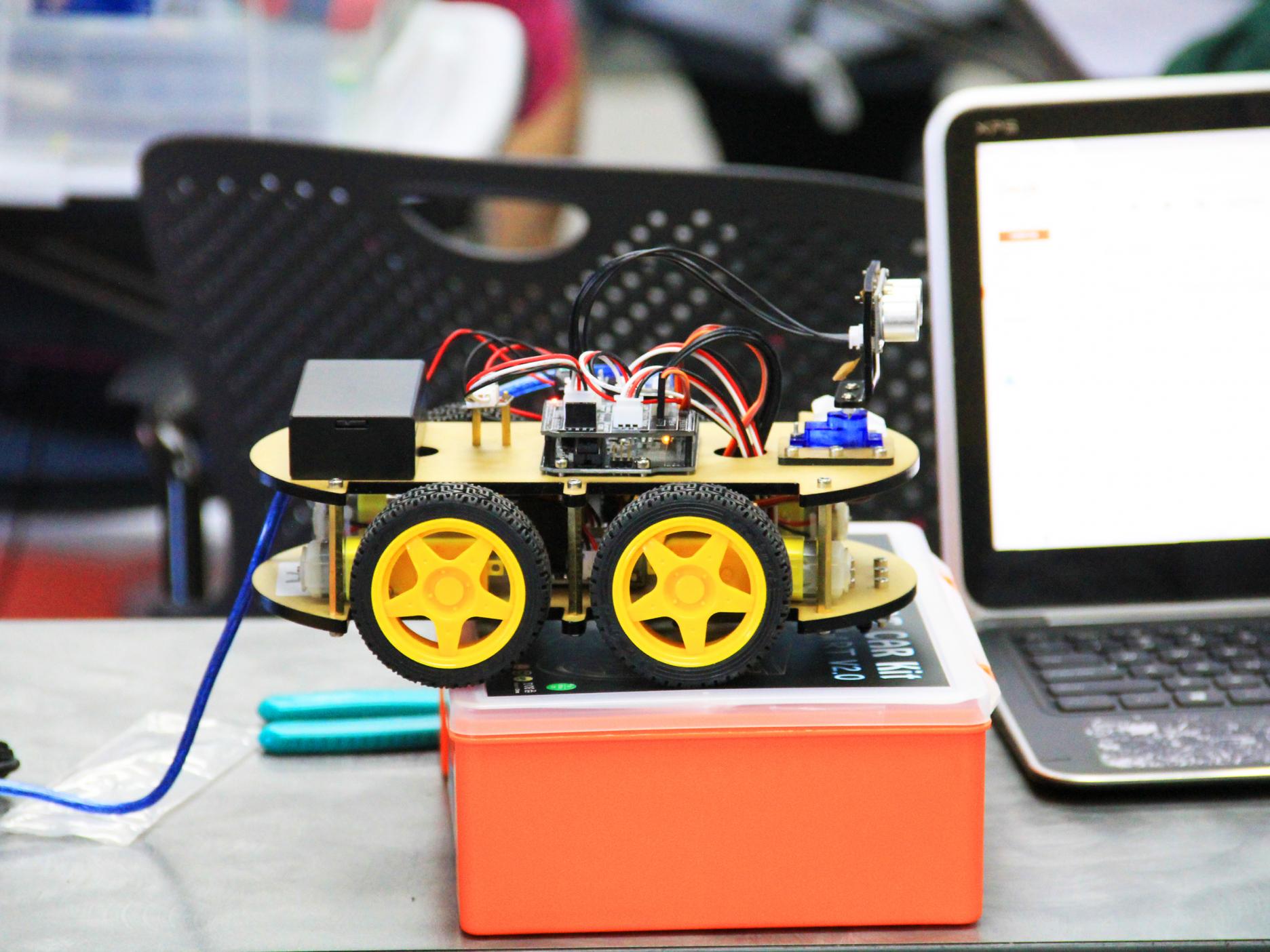
Fostering Innovation at the Center for K12 STEM Education
The Center for K12 STEM Education at NYU Tandon fosters innovation and nurtures the next generation of STEM students and professionals.
Engineering Reimagined: 5 Advantages of Studying at NYU Tandon
NYU Tandon isn’t your typical engineering school, and that’s exactly what makes it so exciting.