The history of NYU’s campus and student life has changed quite a bit since its founding in 1831 by Albert Gallatin. From residence halls to sports to student life, NYU today would be unrecognizable to those who attended in the nineteenth century. Let’s take a trip back in time to see just how far we have come!
Washington Square Park
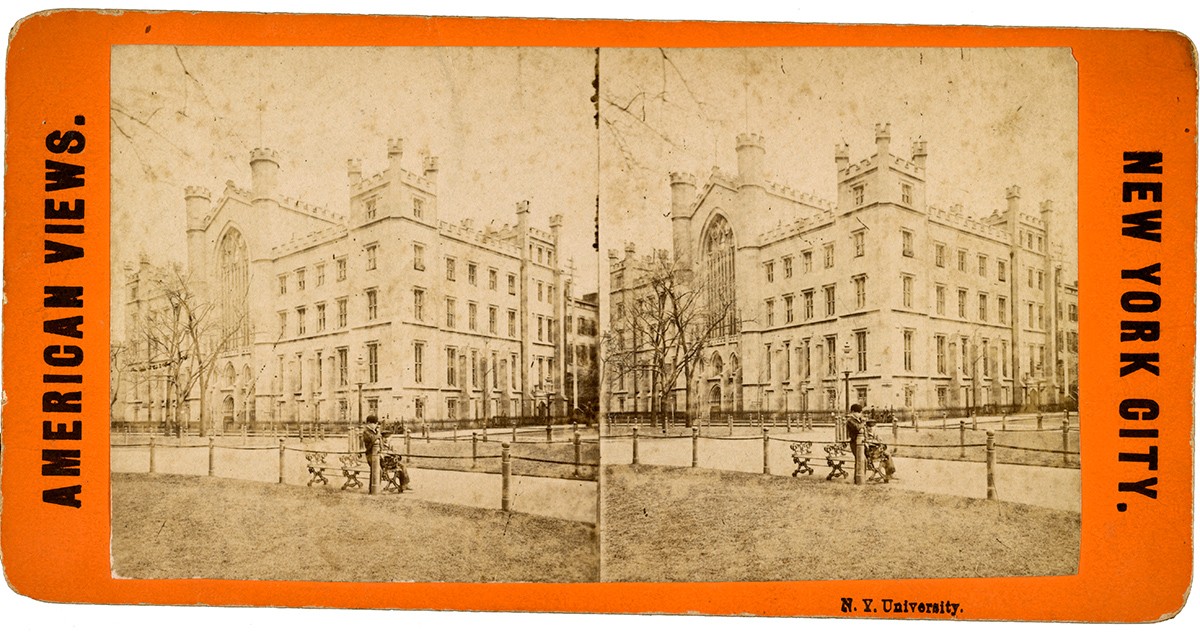
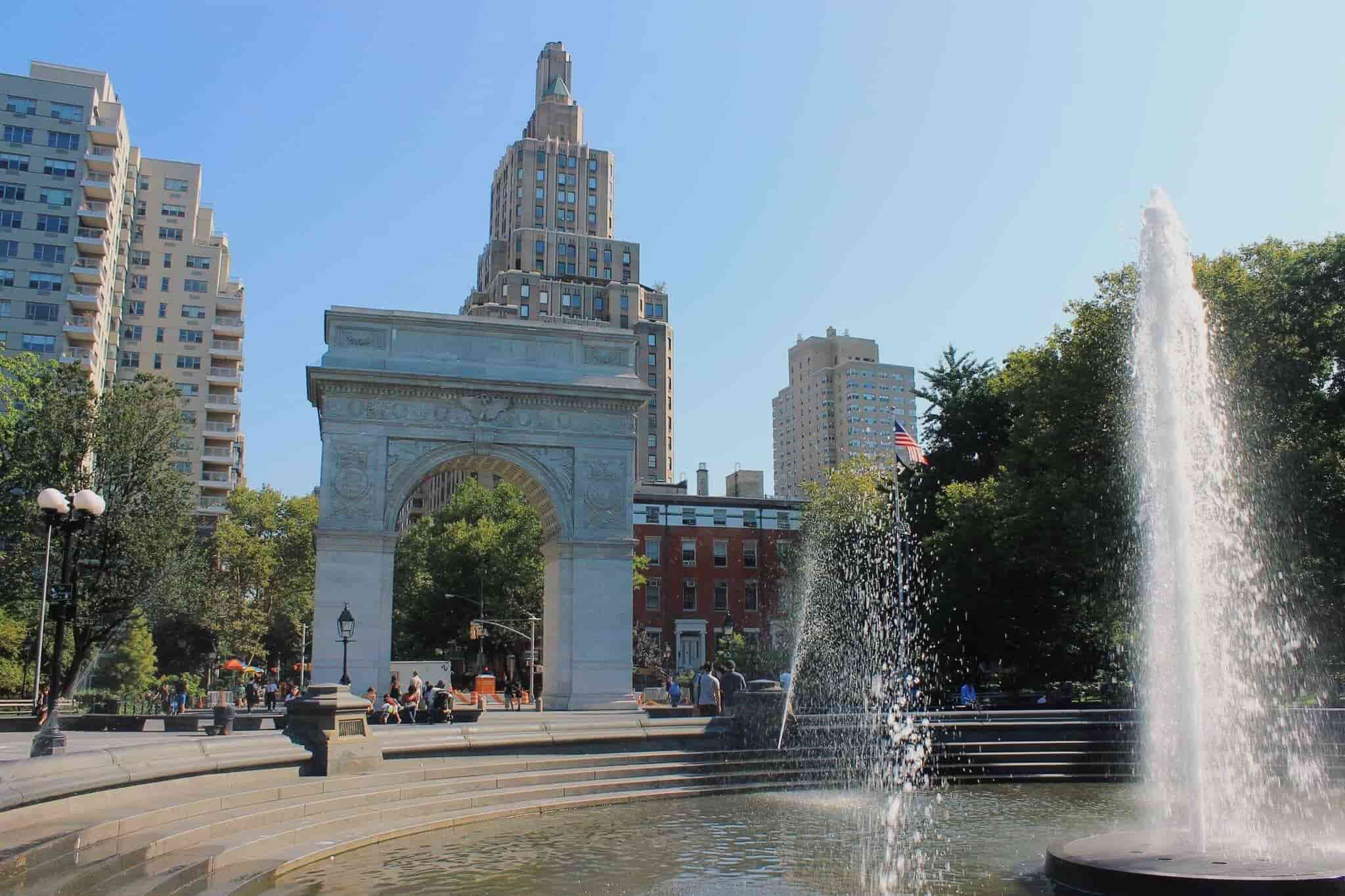
Where better to start than NYU’s iconic move to Washington Square Park? The park, after becoming public in 1827, brought lots of wealthy families to the area. These families built up the iconic brownstone buildings that still stand today. Eight years later, in 1835, NYU opened its University Building offering both classrooms and apartments. The School of Law opened later that year, which a century later, became one of the first in the nation to admit women. While the original campus in the Bronx remained open, more buildings were built up around WSP, shaping the campus we know today.
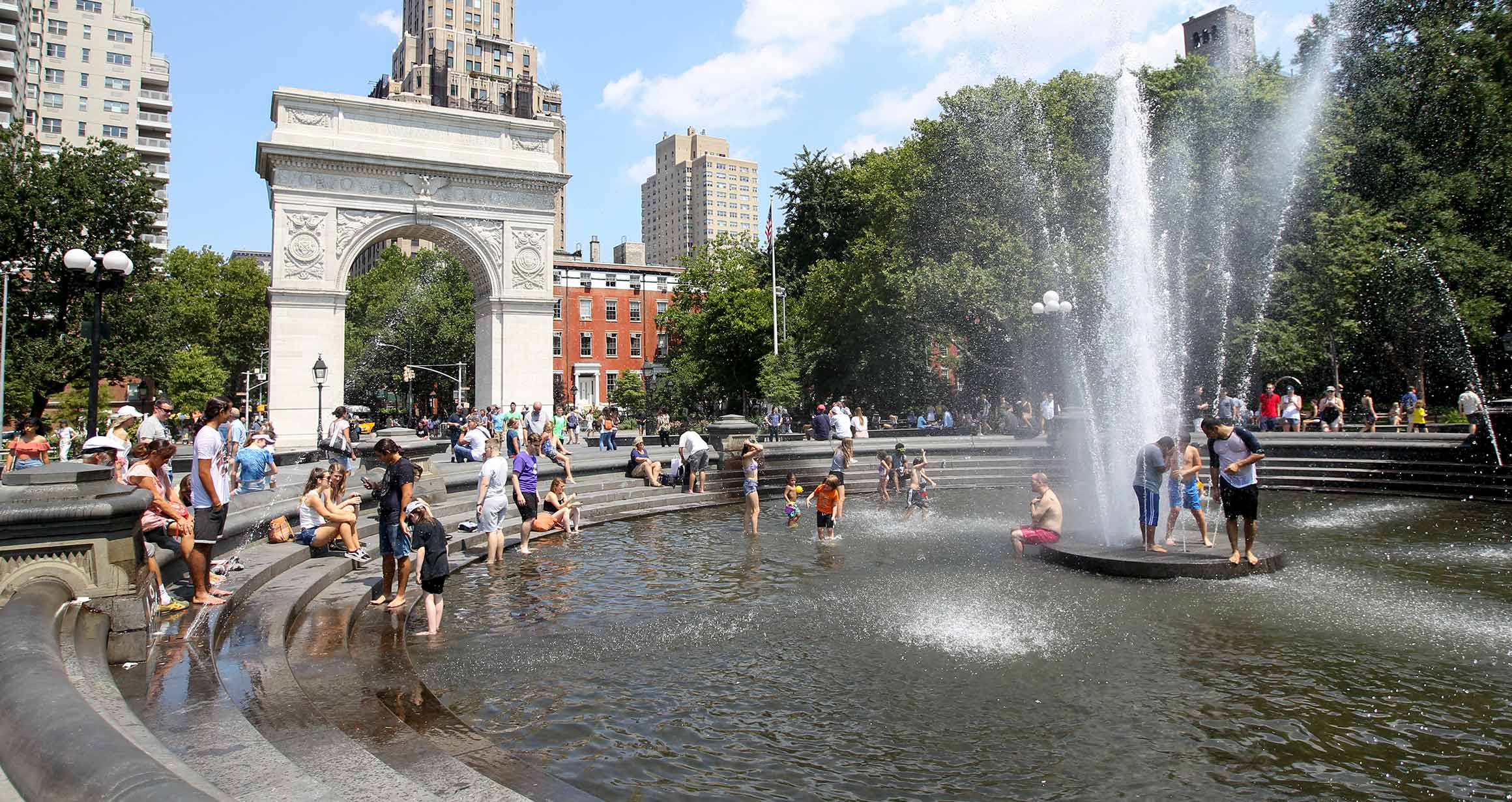
Nearly 200 years later, NYU has solidified itself as the iconic Manhattan school, with all but one undergraduate college located on the park’s border. The park itself is known as the unofficial quad for NYU students. Any day of the year, you can find impromptu performances, food trucks, and pop-up markets. In the summer, students lounge around the iconic fountain soaking up the sun. On colder days, when the fountain is off, students enjoy watching skateboarders trying out new tricks.
Bobst Library
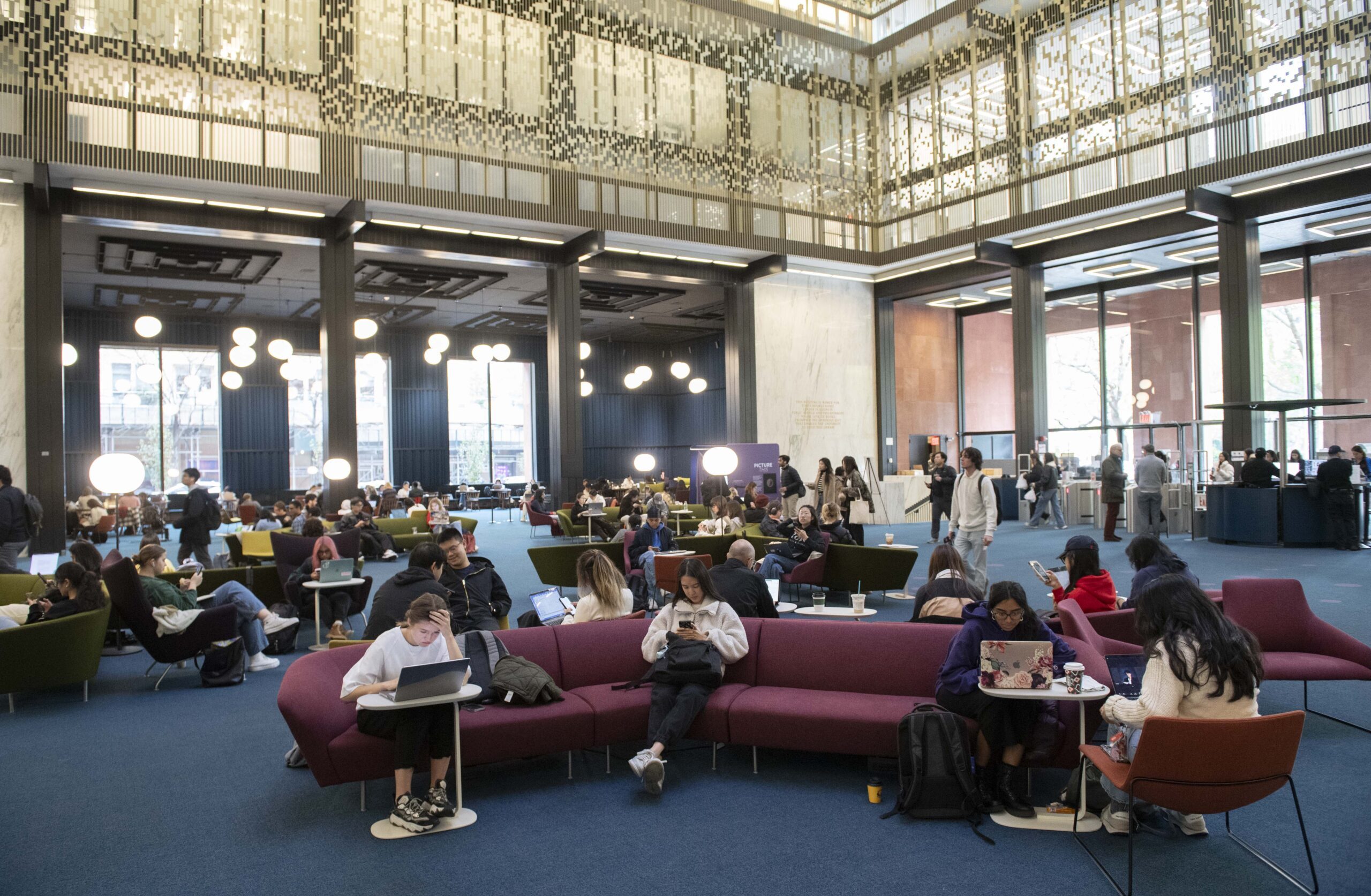
Now that NYU has made its move to WSP, let’s turn to the most iconic building: Bobst library. Opening in 1973, it marked the closing of the original Bronx campus. It opened with sparkling gold bannisters and a black and white marble tiled floor. Its exterior, 12 stories high and a startling red brick, was a source of controversy amongst the families near WSP. Despite this, the building remains today. Today, you can find NYU students studying for classes, meeting up with friends, or hosting club events. The library is now open 24/7 and was recently redone in 2023. Gone are the black and white tiles. Now, a carpeted, cozy lobby stands, inspired by one of the first photographs taken of the moon…by an NYU student! I guess we like to make our marks both in and out of this world.
Residential Halls
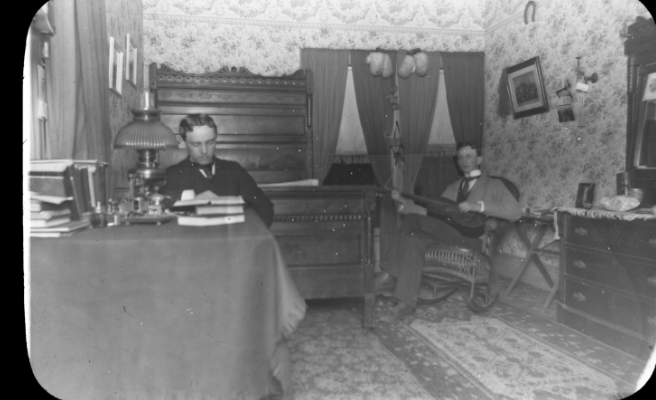
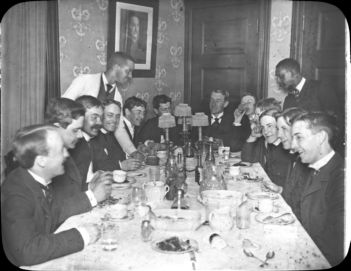
So where did all our students live over the years? Surprisingly, not usually in traditional residence halls as we think of them today! It was common for students to live in boarding houses or fraternity homes. I would love to describe to you in great detail, but it’s better to just look at the photo below! What the photo doesn’t show: the lack of AC and the fact that every hall is single-gender.
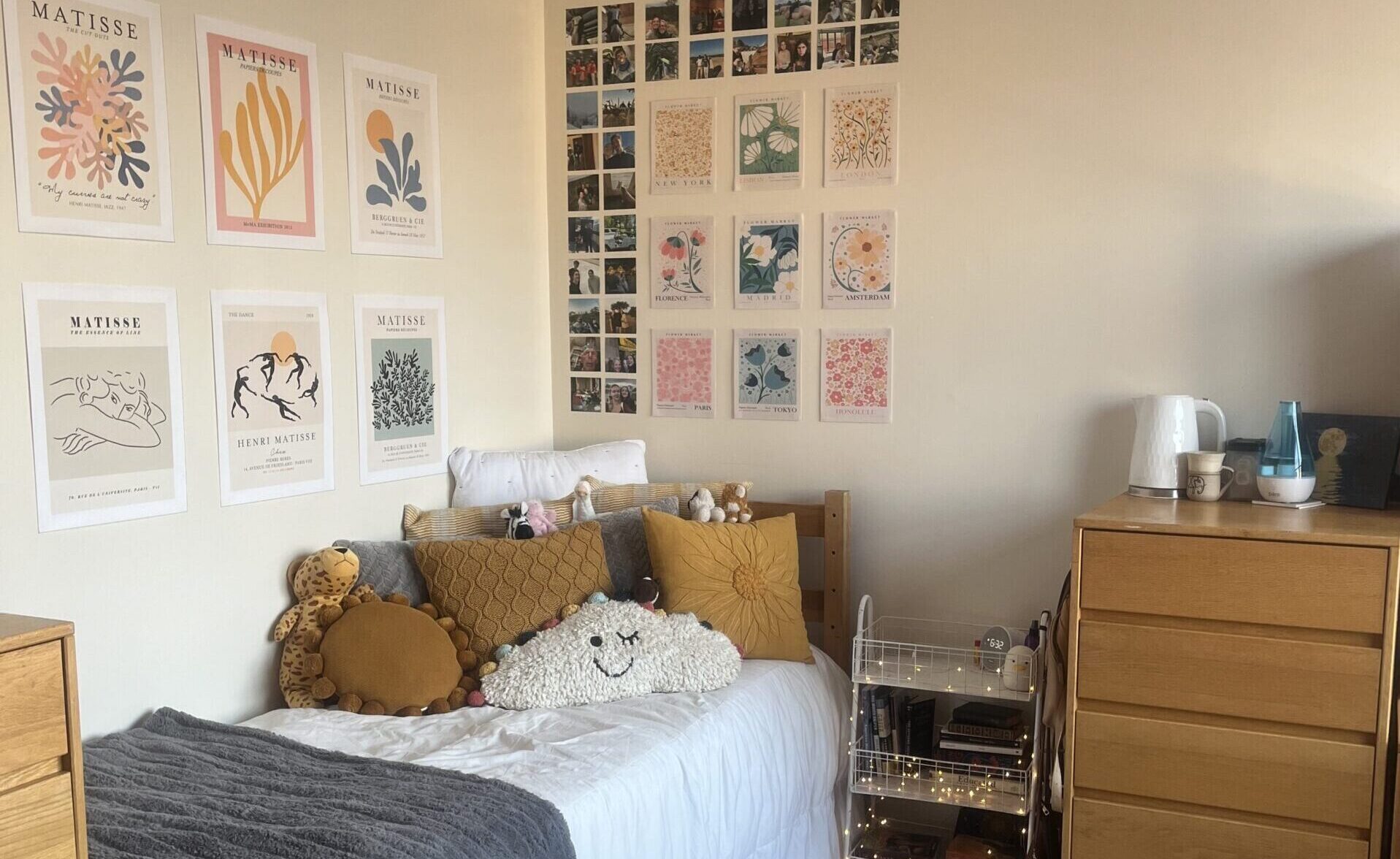
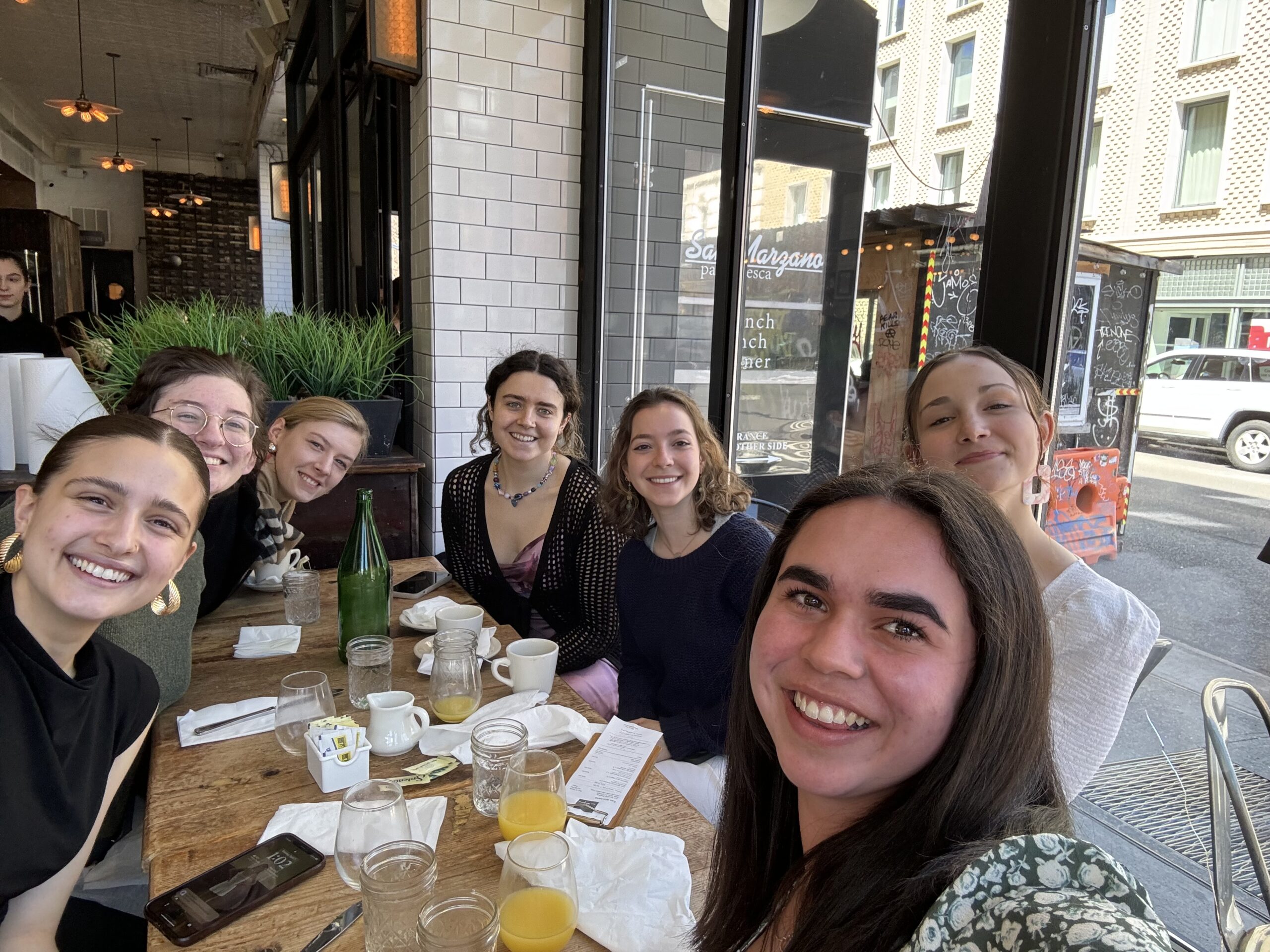
Now, NYU boasts an impressive 23 residence halls. The university splits these halls between under and upper classmen, located across lower Manhattan and Brooklyn. Every location has AC and the halls and some rooms are co-gender. It is also very common for first year students to live on campus, although it is not required. Living on campus provides opportunities for community building! With a resident assistant on every floor, students may find themselves with free tickets to broadway shows or an invite to late night hall snacks.
Student Life
This is one thing that probably hasn’t changed much! Our campus has always been open to students of all backgrounds, financial status, and educational interests. A big expansion was from 1 undergraduate program to the 10 that we have now!
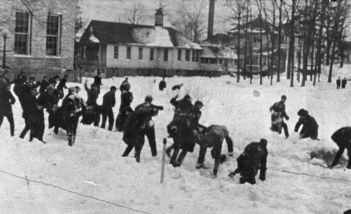
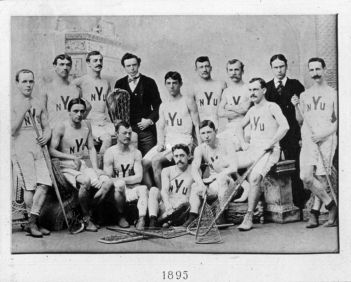
Back in the nineteenth and twentieth century, you probably would have seen more snowball fights in the park and tally-hoing on horseback. Today, students still make snowmen even in the smallest of snowfalls and our tally-hoing happens out in New Jersey with the equestrian team. The wider city of New York has also continued to expand, but our campus remains heavily integrated and inclusive of the city that surrounds us.

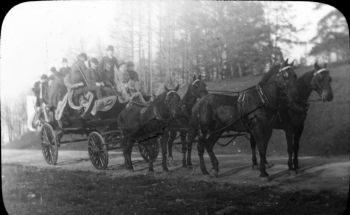
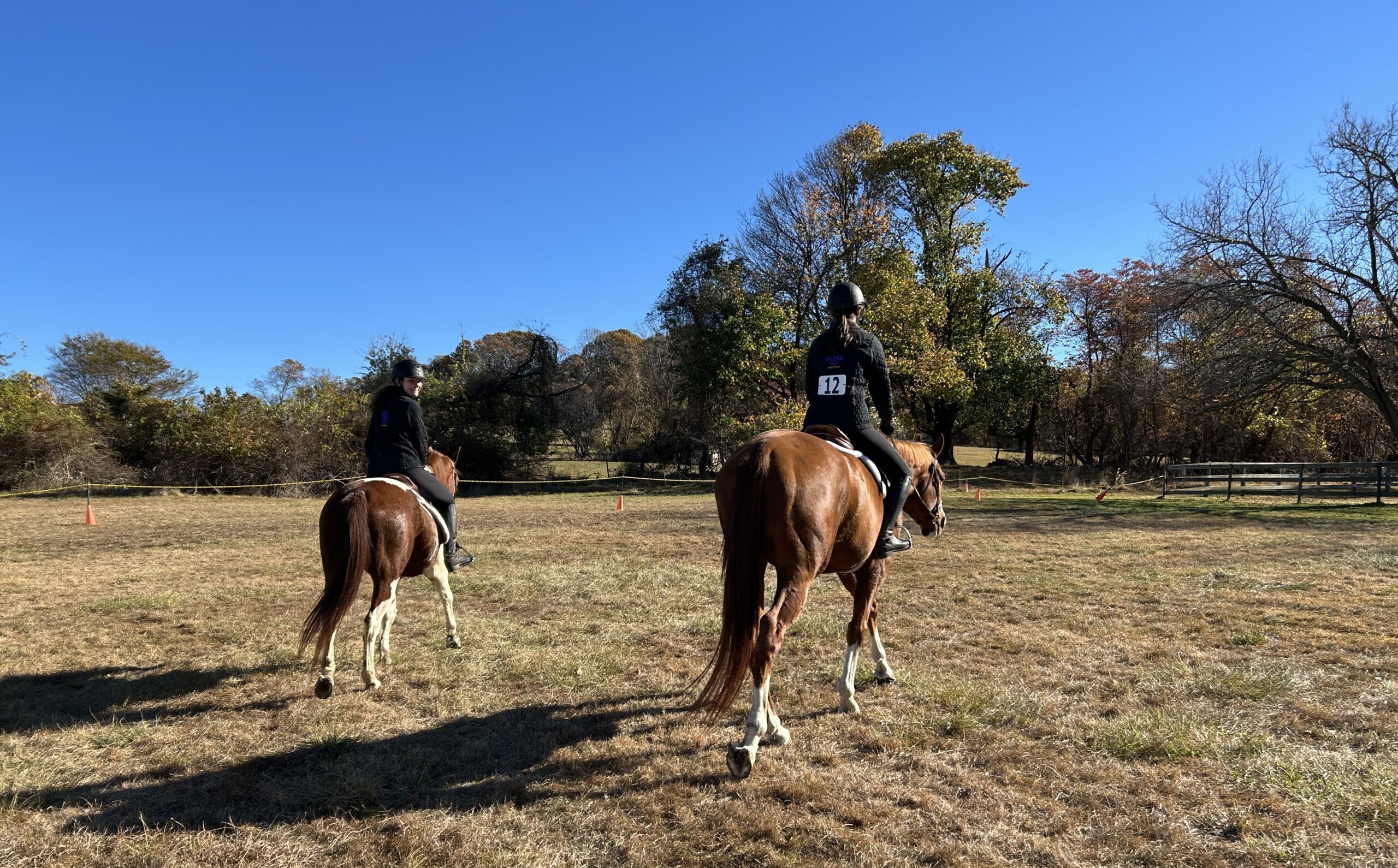
Check out some more photos comparing NYU now and then!
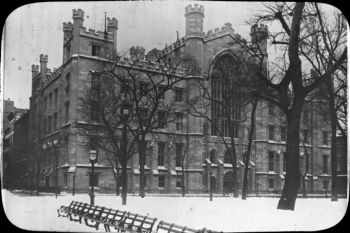
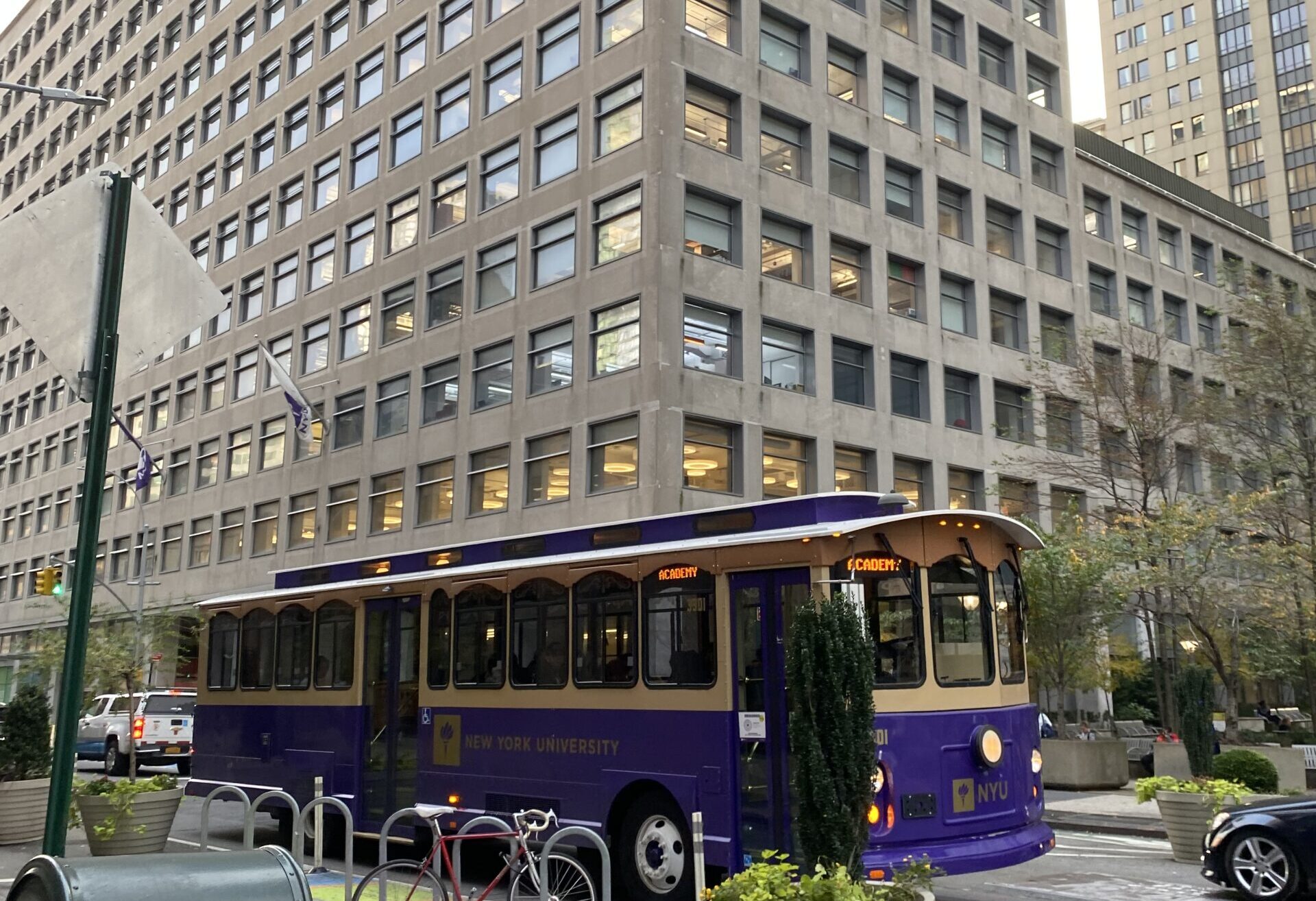

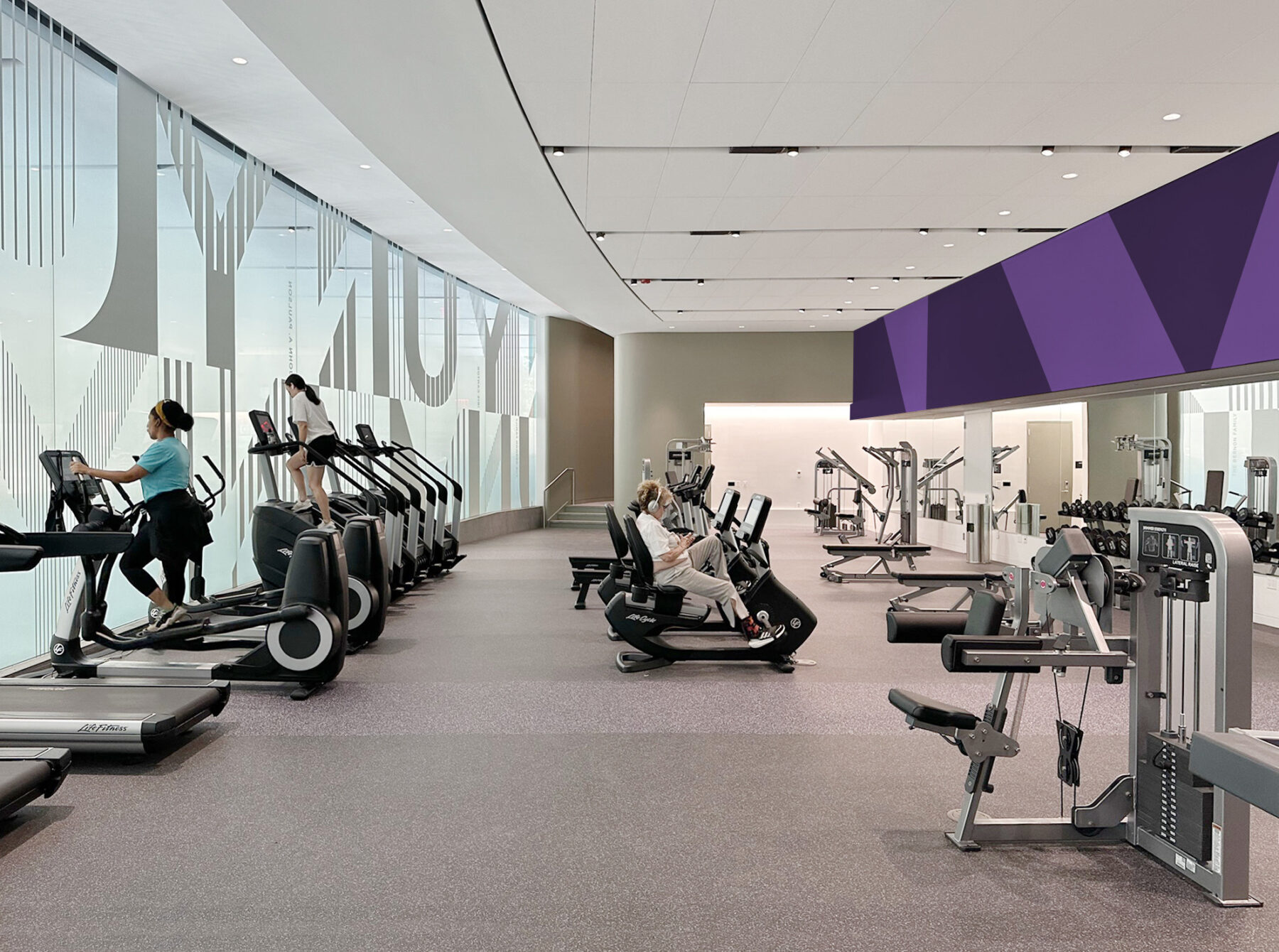
From its modest beginnings in the 1830s to the bustling, modern campus we know today, NYU has continually evolved while maintaining its spirit of inclusivity and innovation. Whether walking through Washington Square Park, studying in Bobst, or living in one of the many residence halls, students are part of a university that honors its past while embracing the future.
Related
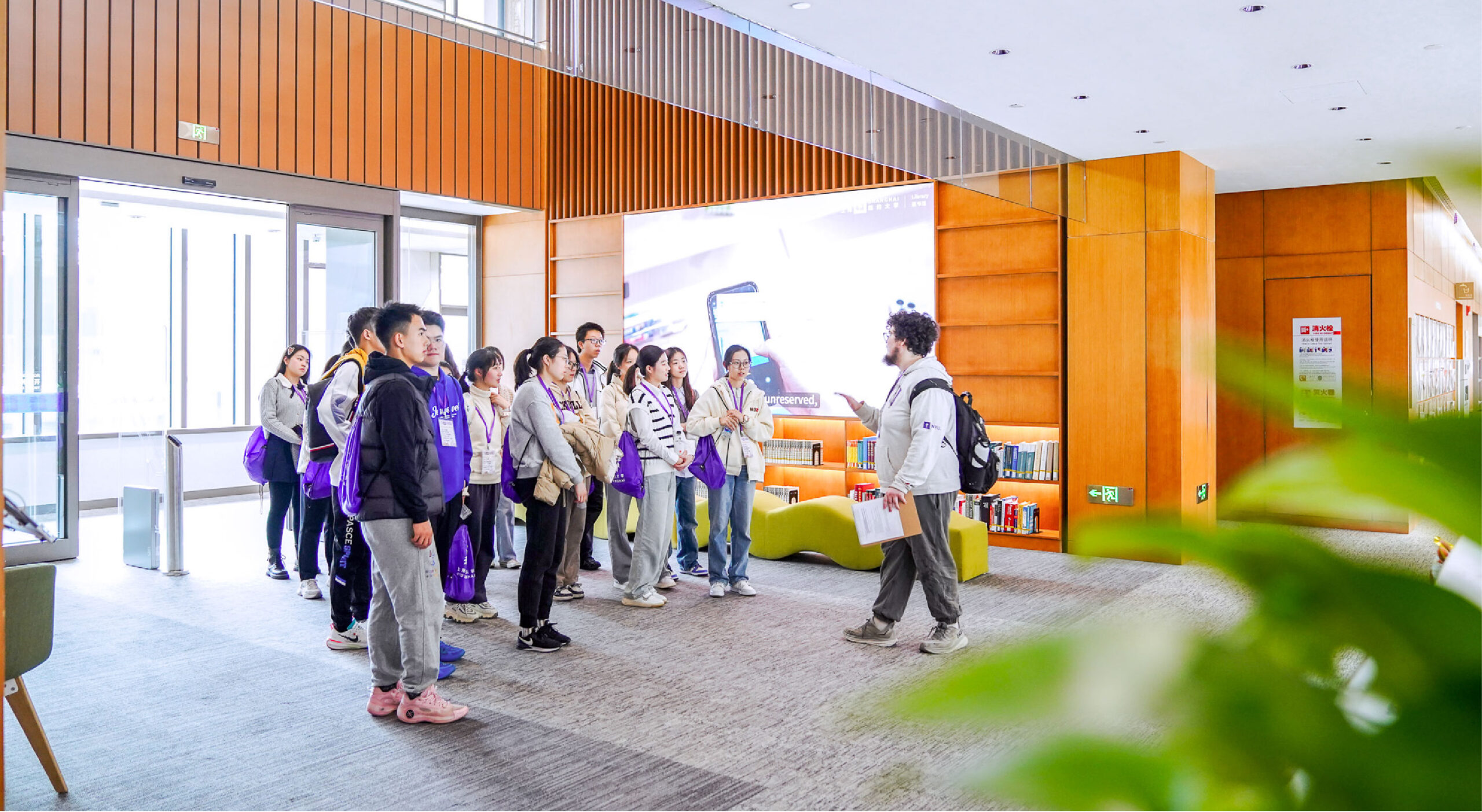
Admitted Student Weekend at NYU Shanghai
Congratulations, newest Qilins! If you're #nyu2028 and joining us for the admitted student weekend at NYU Shanghai, here's what to expect!
The NYU Student Experience: 10 Things Admitted Students Should Know
Need help deciding if NYU is the right fit for you? Learn more about the NYU student experience from the people who know it best—current students!

NYU Shanghai Student Life
A futuristic skyline meets historic streets and buildings. Explore life in one of the largest cities in the world.