Published September 16, 2025
From the Dance Floor to the Classroom with NYU Shanghai Professor Siye Tao

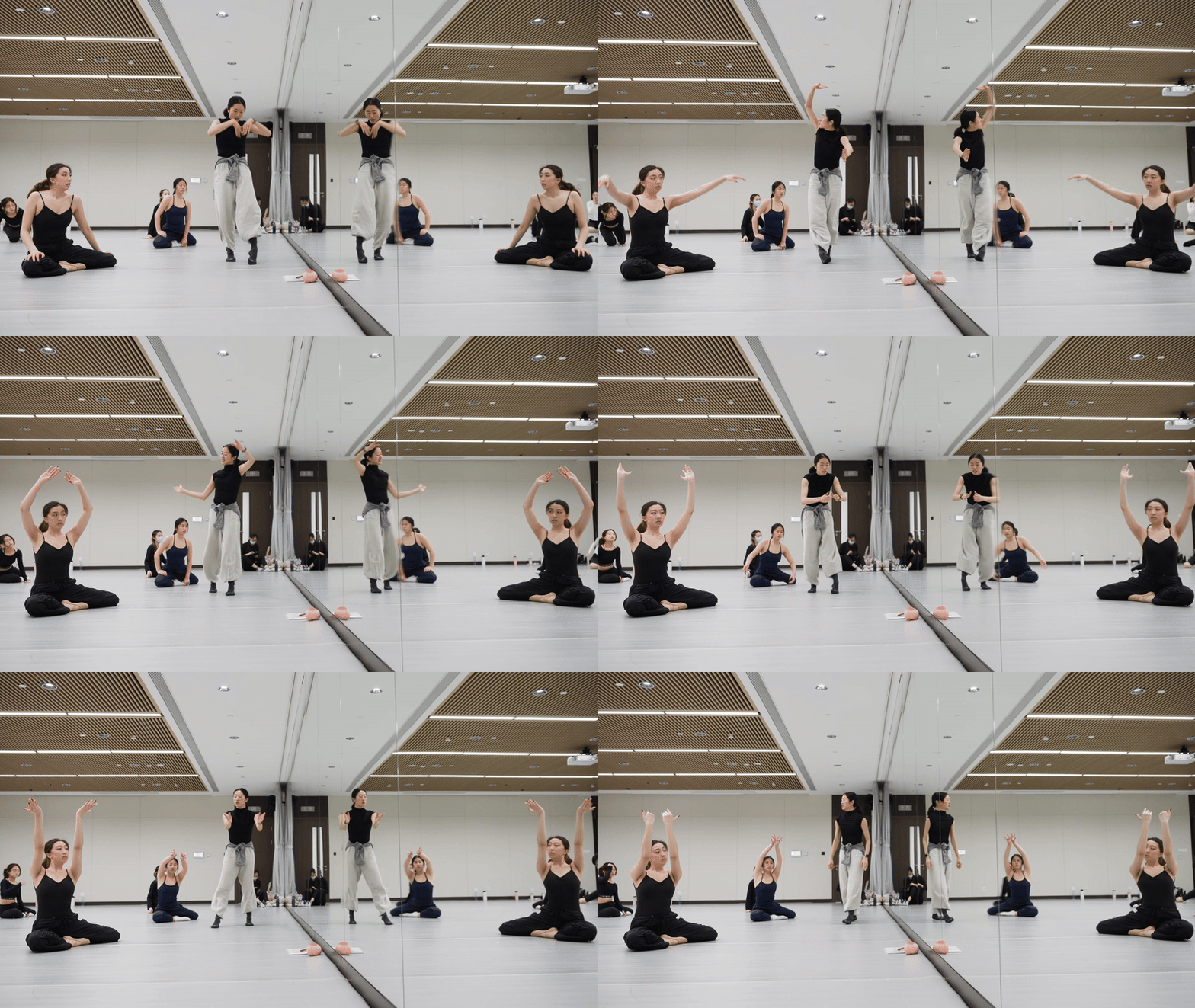
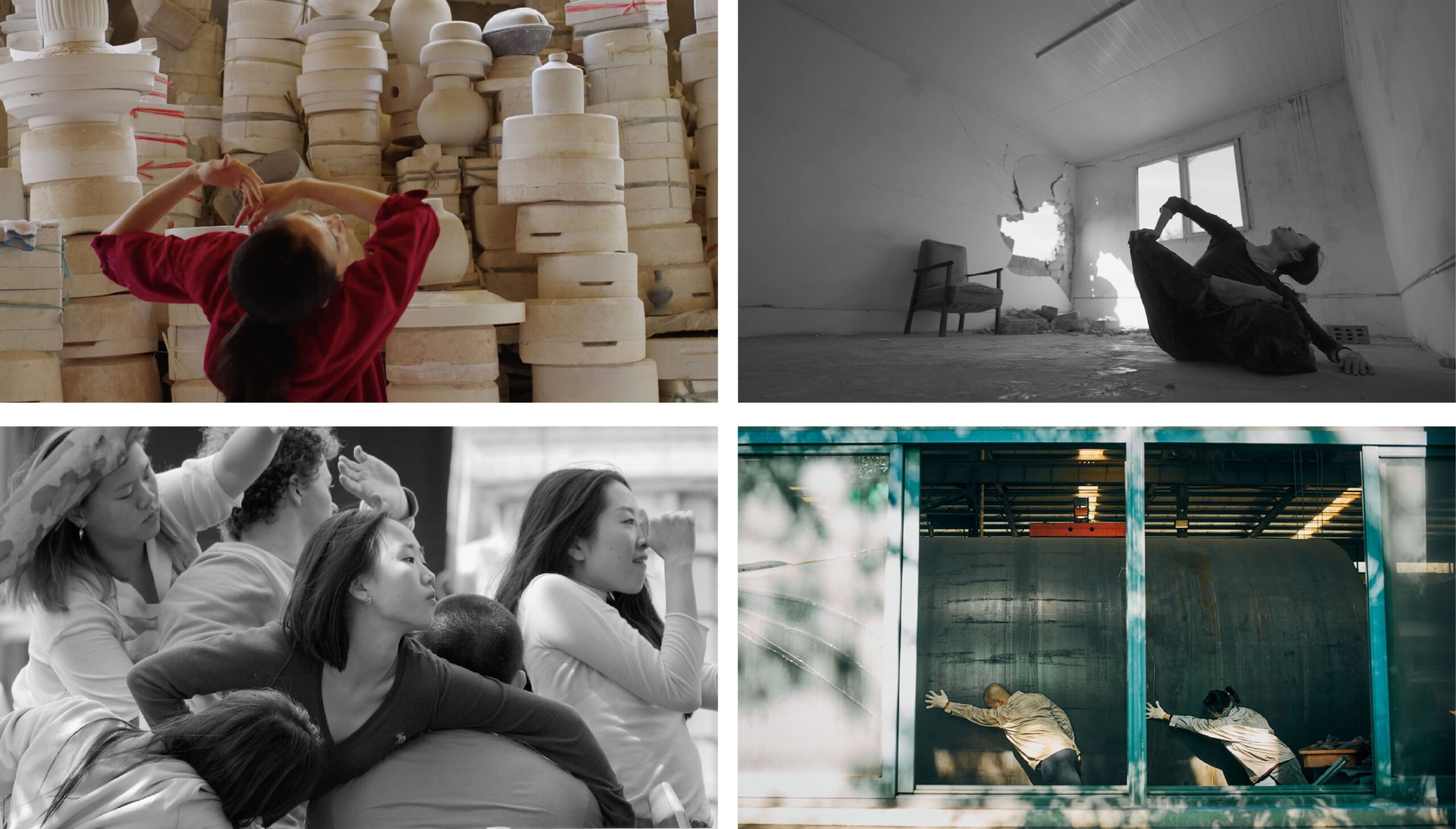
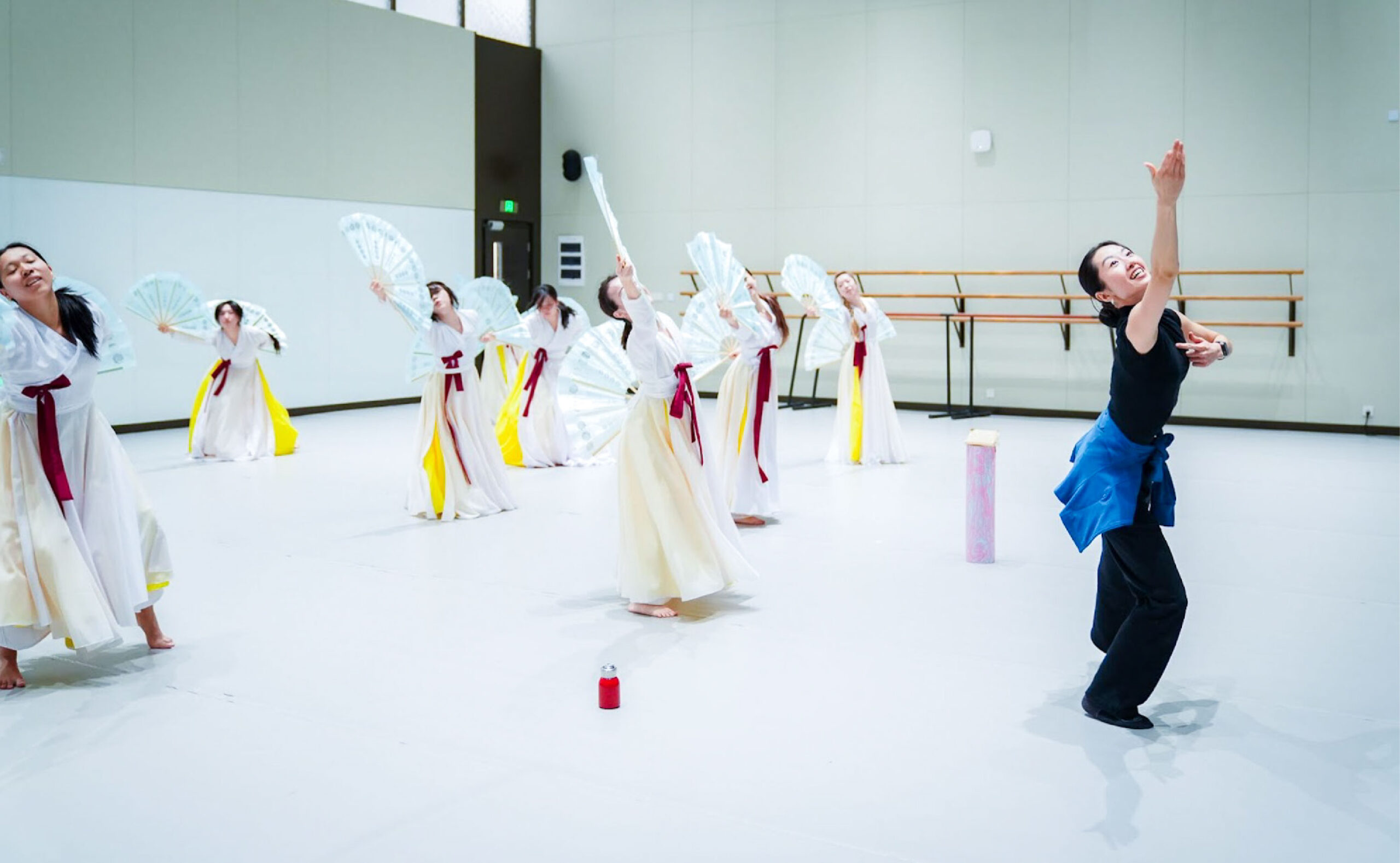
Soon after taking her first steps, NYU Shanghai Professor Siye Tao began to dance. At age five her parents enrolled her in ballet and Chinese folk dance classes, and it became clear she had talent. Now almost three decades later, she’s teaching dance to the next generation of artists at NYU Shanghai while also working as a director, choreographer, and performing artist on the stage and screen.

“For me, dance is a way to connect and express,” says Professor Tao. “I find peace in dance as if it was a private space, which is quite different from the one we live our daily lives in. I also find pleasure in dance. It is like a lake within which I can glide freely, submerging in it and surfacing at will.”
From Students to Dancers
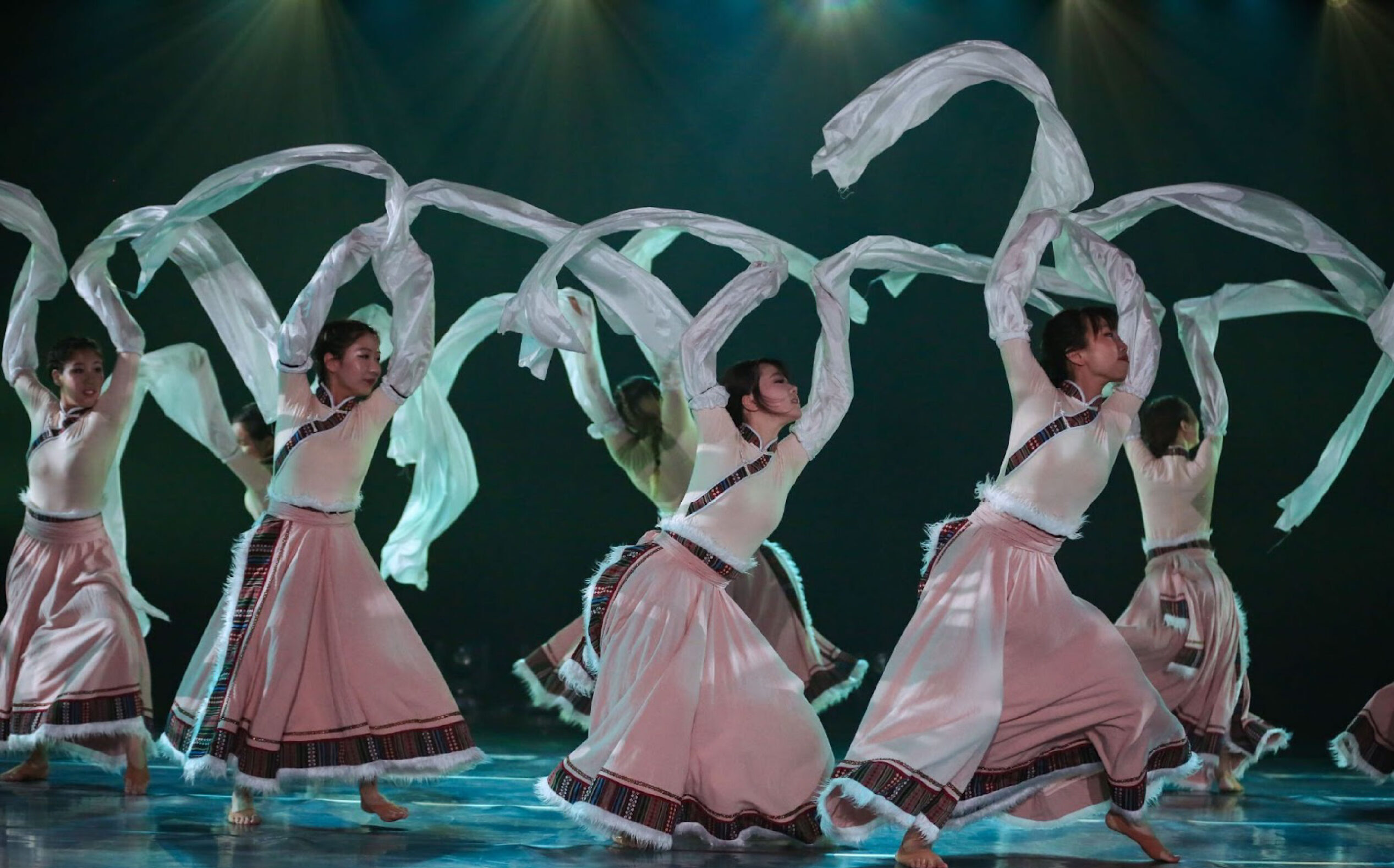
At NYU Shanghai, Professor Tao teaches students from all different majors, with some having no previous dance experience. In addition to an introductory course, she offers courses in ballet, Han-Tang (Han and Tang Dynasty) dances, dances of northern China, and dances of southern China. “My students constantly refresh me and push me to redefine dance,” she says. “My favorite teaching moment is when students surprise themselves and say, ‘Whoa, how did I do that?’”
Edgar Lara, a junior at NYU Steinhardt School of Culture, Education, and Human Development, took Professor Tao’s Han-Tang Dances course while studying away at NYU Shanghai. Majoring in Early Childhood Education and Early Childhood Special Education, Edgar was new to dance but felt Professor Tao’s confidence in him from the first day. “She viewed us as dancers,” he says. “It was that confidence in us that I appreciated the most from her.”
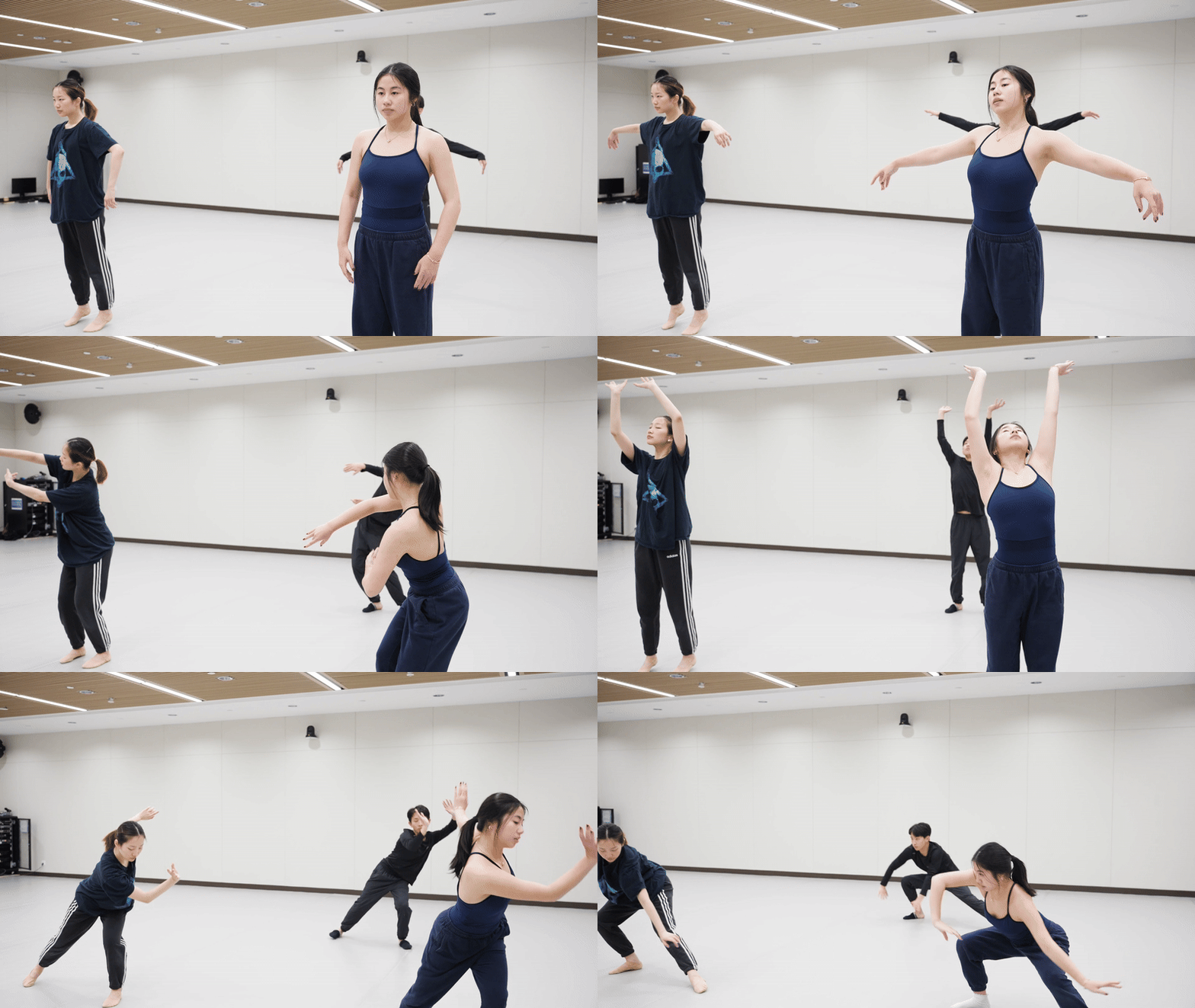
At the end of each semester NYU Shanghai hosts a performance featuring student dancers. This concert is Professor Tao’s favorite part of teaching. “Students begin as dance learners but by the end of the semester, they are all dancers,” she says. “For more than half of the students, it is their first time being onstage in front of 300 people. It’s a huge leap from where they started to where they finish.”
When Professor Tao selected Edgar as a soloist for the class’ end-of-semester performance, he was surprised but determined. “I appreciated her trust in me deeply,” he says. “I’m glad that in her eyes, I was someone who could reflect the beauty in her choreography. I will never forget that.”
Making an Impact Through Movement
Professor Tao has seen dance transform her students’ paths in unexpected ways, both during and after college. In fact, dance even leads some of her students to career paths they never planned for themselves. “Two students have become professional dancers and are actively performing in the United States,” she says. “Others have integrated dance into their own fields, such as embodied cognition, somatic therapy, and movement technology.”
Professor Tao hopes to inspire a sense of self-connection in all of her students, including those who don’t pursue dance beyond her courses. She continues to discover what dance is and how to share its meaning with others. “The beauty of dance is not necessarily about dancing in perfect union, but rather about asking, ‘What moves me?’ and finding your own natural impulse,” she explains.
The Future of Dance at NYU Shanghai
Professor Tao’s courses are part of NYU Shanghai’s strong and growing dance program. Students can choose to experiment with a dance course, work toward a Dance minor, or get involved with unique opportunities like the Dance for Camera series, which lets students create dance films in collaboration with the surrounding community like museum curators and well-known artists.
For Professor Tao, who has taught at NYU Shanghai for eight years, the future of dance on campus looks bright. She is eager to continue sharing her love for dance with students and community members. “I am deeply passionate about the work I do,” she says. “My plan is to collaborate with artists and researchers to create new works and offer more opportunities for students. I hope my students carry forward what they learn in my classes, sharing it with communities throughout the world.”
Note: NYU Shanghai originally published this story. Read it in its original format here.
Related
All About the Tisch Dance Minor!
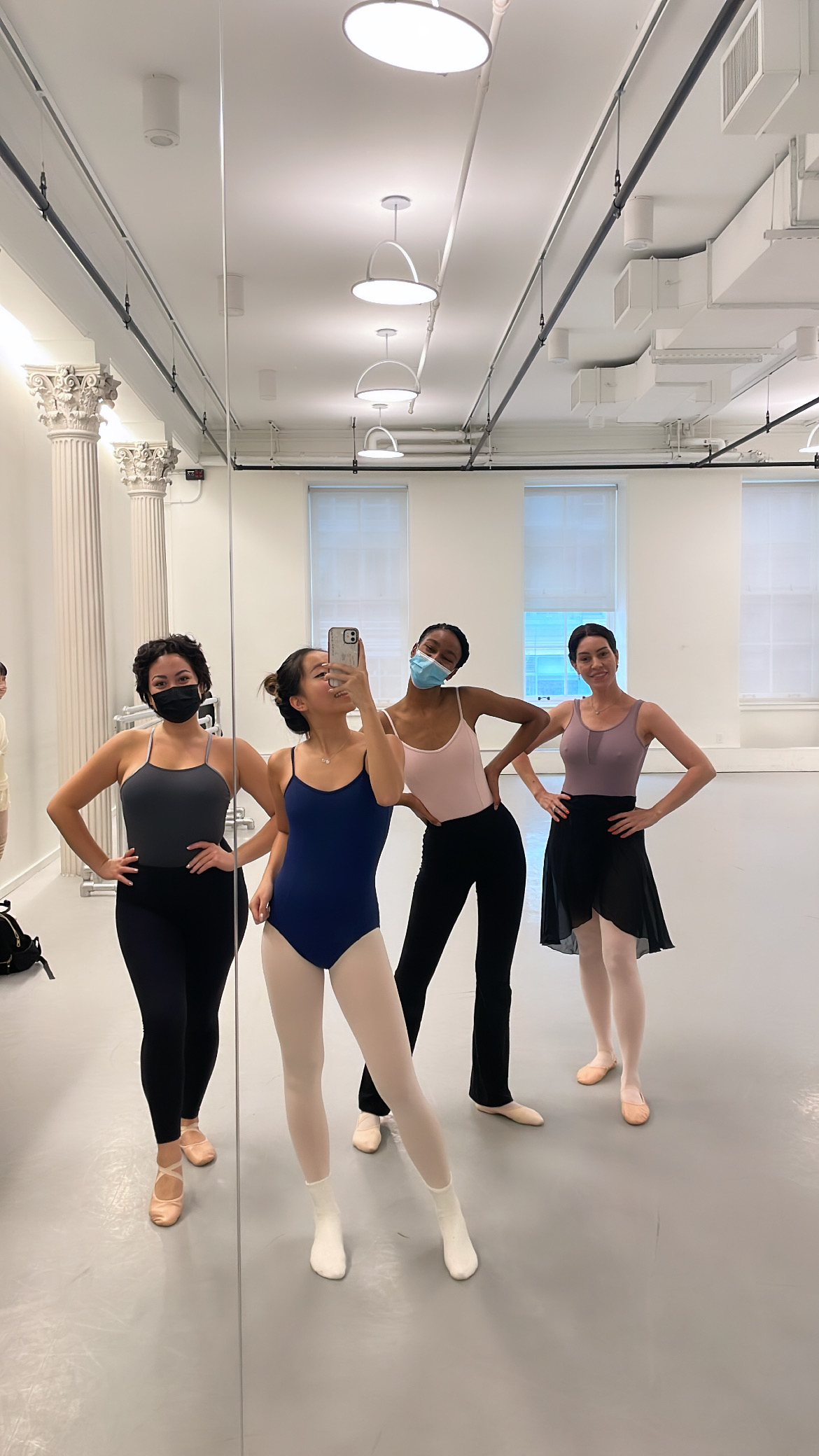
Love to dance? Regardless of your major(s) or experience level, the NYU dance minor has something for everyone. Let current student Acy share her experience in minoring in dance!
WATCH: Cool Courses at NYU Shanghai
Courses at NYU Shanghai are as vibrant and dynamic as the city you'll take them in, whether you’re discovering the intersection of fashion and technology or language and architecture.
Study at NYU Shanghai: A Guide to the Campus and the City
Discover student life at NYU Shanghai: campus insights, clubs, city navigation, and local highlights. A concise guide to studying and experiencing Shanghai's vibrant culture.