Published August 17, 2026
NYU Students Shape Climate Innovation at the Urban Future Lab


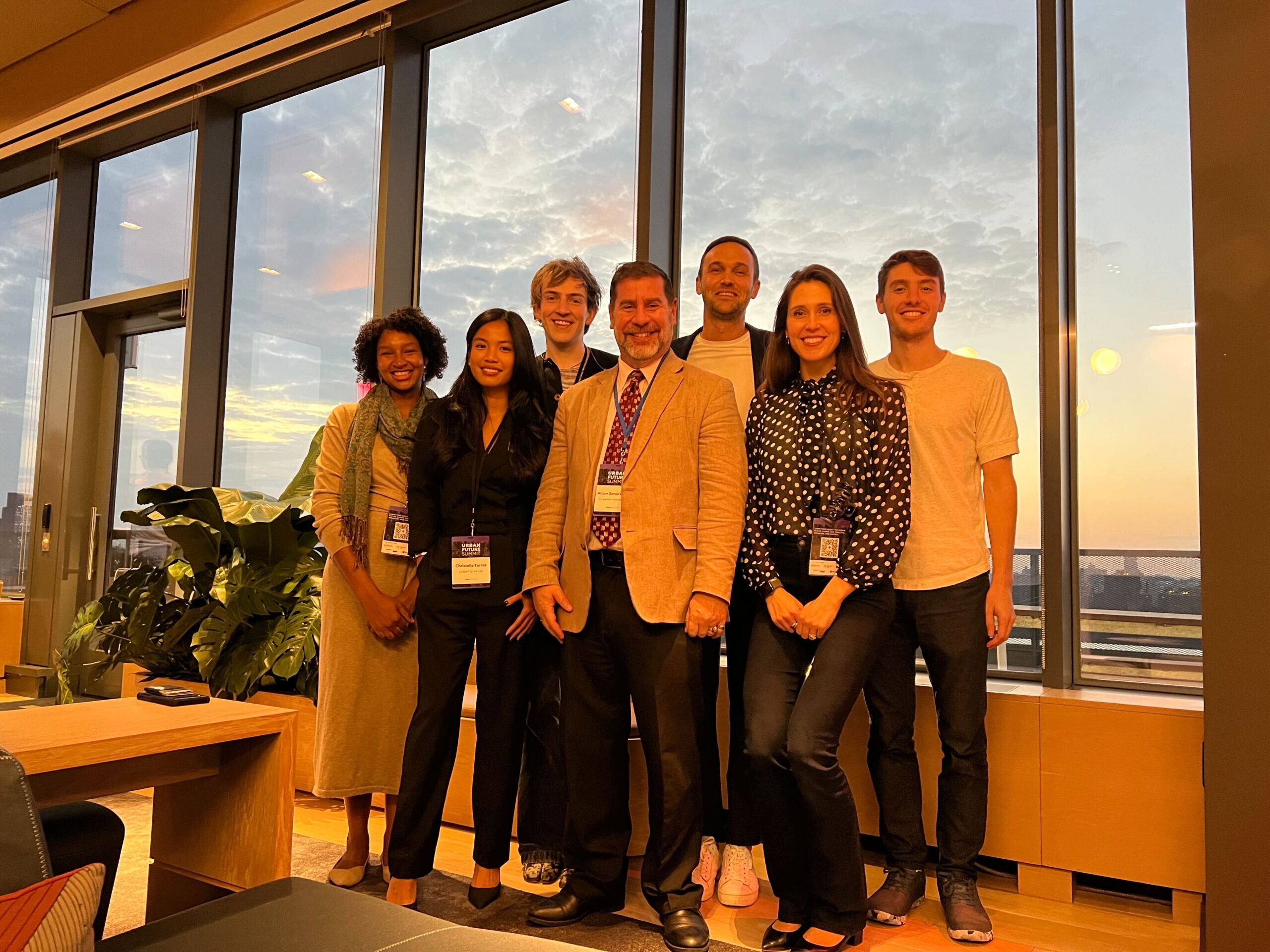
Climate innovation isn’t just confined to laboratories. At the Tandon School of Engineering’s Urban Future Lab (UFL), students work alongside entrepreneurs building technologies that address some of today’s biggest environmental challenges. In the process, they discover how they can contribute to a more sustainable future.
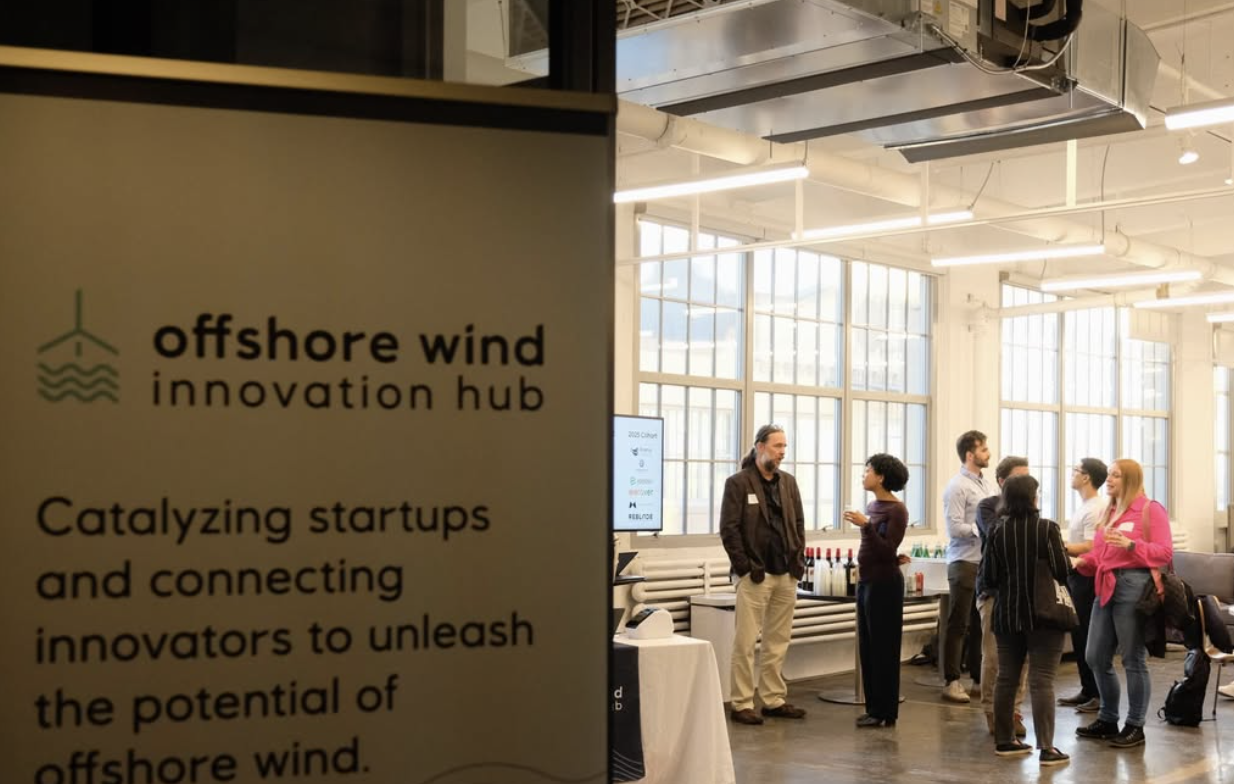
The Urban Future Lab is part of a network of entrepreneurial and innovation hubs at NYU Tandon, where it focuses on supporting climate technology start-ups focused on clean energy and sustainable urban infrastructure. UFL is home to New York’s longest-running climatetech incubator, the Accelerator for a Clean and Resilient Economy (ACRE), along with other programs supporting emerging companies and entrepreneurs. It gives students the opportunity to learn alongside founders developing market-ready solutions for a more sustainable future.
Beyond the Classroom
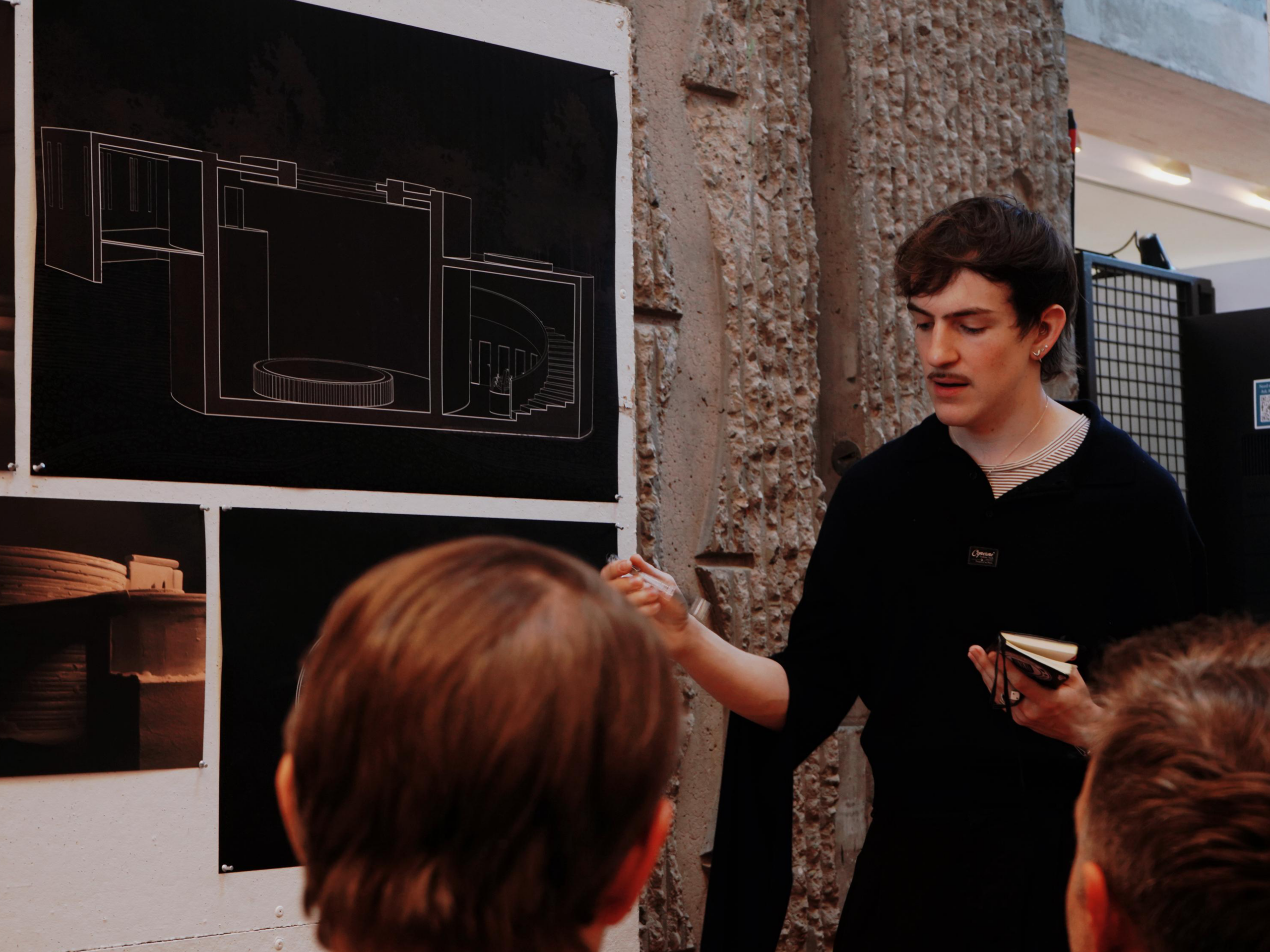
Ben Cresto is an alum of the NYU Gallatin School of Individualized Study and concentrated on urban ecology and design. As an intern with the Urban Future Lab, his work bridged the gap between academic research and practical impact.
“Learning about the problems facing American cities through reading and research is one thing,” he says. “Playing an active role in shaping the built environment through real solutions is another.”
Ben was drawn to the Urban Future Lab because it placed him at the forefront of emerging climate technologies. During his internship, his weeks included team meetings, supporting events, and working directly with start-ups in ACRE. Just as memorable as the work itself was the culture.
“When we weren’t heads-down, we were enjoying each other’s company,” he says. “I still miss the team lunches in the Brooklyn Commons.”
A Front-Row Seat to Innovation
For Sejal Tandon, who recently completed her master’s degree at NYU before joining fintech start-up Deferit, the Urban Future Lab offered something entirely different from her previous experience in corporate finance. The business analytics student found herself immersed in a community where founders, investors, researchers, and students exchanged ideas every day.
“What actually pulled me in wasn’t the climate angle at first. It was the people,” she says. “I wanted to be part of that energy [and] learn how start-ups actually operate behind the scenes, not the polished version you read about, but the real day-to-day of it.
That everyday exposure is exactly what the Urban Future Lab aims to provide.
“The Urban Future Lab at NYU Tandon offers undergraduates direct access to the entrepreneurial ecosystem and experiential learning at the frontier of climate and innovation,” says UFL Managing Director Frederic Clerc. “Students get to engage with high-growth companies, the investors shaping them, and other stakeholders involved in building a healthy environment for accelerating market-ready solutions.”
For Sejal, that access quickly reshaped how she viewed both start-ups and climate innovation. Before joining UFL, she associated climate technology primarily with renewable energy and electric vehicles. Over time, she discovered companies working on everything from sustainable building materials and battery storage to grid modernization and carbon accounting.
“What surprised me most wasn’t the technology, it was the people,” she says. “The founders weren’t trying to build ‘the next unicorn.’ They genuinely cared about solving problems they had experienced themselves.”
Internships at the Urban Future Lab encourage students to take ownership of projects that make a tangible impact. Sejal found herself improving internal workflows, eventually building an automated funding data collection system using Google Apps Script, AI tools, and industry databases. “It wasn’t just about writing code,” she says. “It was about understanding the team’s workflow and identifying where time was being lost.”
For Ben, working alongside founders demystified entrepreneurship. “It showed me that building a climate-conscious company is largely about access—access to the contacts and capital that actually let a company grow,” he says. One of his proudest moments came when a start-up he helped scout, Faura, not only advanced through the Urban Future Summit selection process but also ultimately won the Urban Future Prize Competition.
“Having a hand in that, however small, and seeing an instinct about a company be borne out all the way to a win was easily the most meaningful part of my time there,” he adds.
Creating a Lasting Impact
Both alumni say the internship influenced their career paths in lasting ways. Ben is now pursuing a Master of Architecture degree at the Yale School of Architecture. He hopes to integrate emerging climate technologies into the design of more resilient cities. Sejal discovered that she thrives in mission-driven start-ups where strategy, analytics, technology, and operations intersect.
For students considering an internship at the Urban Future Lab, Sejal offers simple advice: “Just apply.”
“You don’t join UFL already knowing the answers,” she says. “You join because you’re curious and want to figure it out.”
That curiosity, combined with the opportunity to learn directly from founders tackling some of society’s most pressing challenges, is what makes the Urban Future Lab more than an internship. It’s a place where students begin building the skills and the confidence to help shape the future.
Related
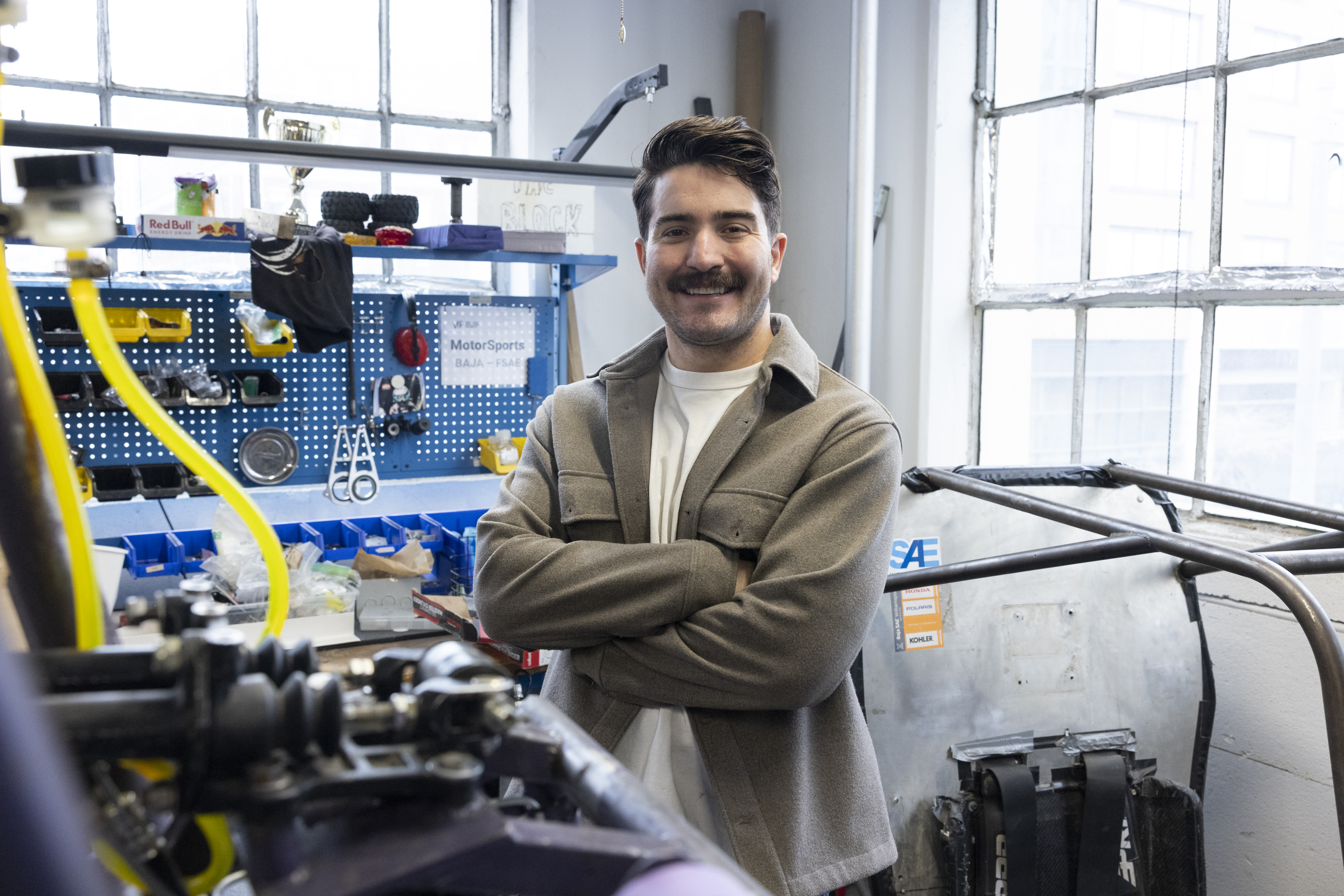
How an Air Force Veteran Landed at the NYU Tandon School of Engineering
For Vinnie Gallegos, NYU included nuclear fusion research, music production, and leading a team that built experimental racing vehicles.
The Research Powerhouse: Your Big Ideas Belong at NYU
Discover why NYU is a global research powerhouse, where students of all levels turn their big ideas into real-world impact.
Beyond IMA: Finding Inspiration Across NYU Schools
NYU Tisch has around 20 programs, so how do I expand as a Tisch student? Interactive Media Arts (IMA) at NYU has allowed me to learn about immersive storytelling with various mediums. How do I make the most of my experience by taking classes cross schools through NYU?